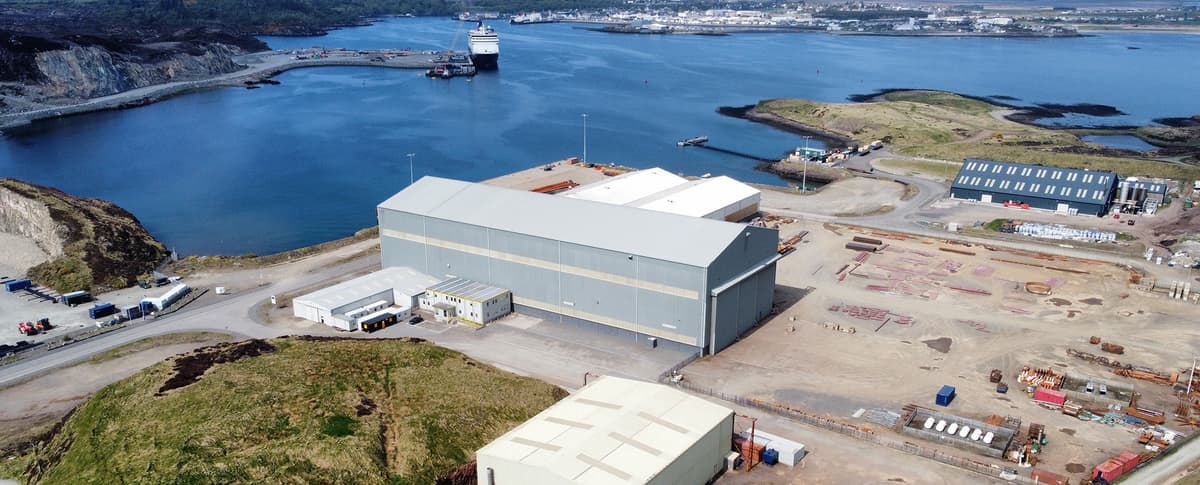
Navantia UK to Hire 35 Apprentices in Scotland
•March 3, 2026
0
Key Takeaways
- •35 apprentices hired across Methil and Arnish.
- •Part of 500‑apprentice UK target by 2030.
- •Roles include electrical, welding, fabrication, CAD design.
- •Supports £1.6bn Fleet Solid Support ship contract.
- •Boosts regional skills for offshore wind and defence.
Summary
Navantia UK announced it will recruit 35 apprentices for its Scottish yards in Methil and Arnish, covering Level 2 and Level 3 programmes in electrical engineering, fabrication, welding and CAD design. The hiring supports the company's broader pledge to train 500 apprentices across the UK by 2030 and aligns with its £1.6 billion Fleet Solid Support ship contract for the Royal Fleet Auxiliary. Apprentices will contribute to ongoing projects such as the £8 million FSS barge at Methil and the offshore wind component work at Arnish. The initiative follows Navantia’s acquisition of Harland & Wolff assets and a £115 million investment in its UK facilities.
Pulse Analysis
Apprenticeship schemes have become a cornerstone of the United Kingdom’s industrial strategy, and Navantia UK’s latest recruitment push exemplifies that shift. By opening 35 new positions at its Methil and Arnish yards, the shipbuilder not only expands its Level 2 and Level 3 training roster but also reinforces a broader ambition to certify 500 apprentices nationwide by 2030. The roles—spanning electrical engineering, fabrication, welding and computer‑aided design—directly feed the technical demands of the £1.6 billion Fleet Solid Support programme and the £8 million FSS barge project currently under construction. This alignment of talent development with high‑value contracts underscores how modern shipyards are leveraging apprenticeships to secure both workforce stability and project delivery.
Scotland’s coastal communities stand to gain disproportionately from the influx of apprentices, as Navantia’s Arnish yard already supports offshore wind and oil‑gas component fabrication. The new cohort will augment a local skills base that has traditionally relied on generational employment, helping to retain talent on the Isle of Lewis and in Fife. With the UK government emphasizing green energy transition, a workforce proficient in welding, electrical systems and CAD is essential for meeting both defence shipbuilding schedules and renewable infrastructure targets. Consequently, the programme bolsters regional economic resilience while addressing a national skills shortage.
Looking ahead, Navantia’s £115 million investment in its UK yards and the recent acquisition of Harland & Wolff assets position the company to capture additional defence and commercial contracts. A robust apprenticeship pipeline will be critical as the Fleet Solid Support ships enter construction phases that demand high‑precision welding and systems integration. Moreover, the planned skills centre at Arnish and the new training school at Methil signal a long‑term commitment to upskilling the maritime workforce, which could attract further government subsidies and private sector partnerships. In this context, the apprenticeship drive is both a talent strategy and a catalyst for sustained growth in the UK shipbuilding sector.
Comments
Want to join the conversation?