Remember: Los Angeles County Hotel Workers Protection Ordinance Starts April 1, 2026
Key Takeaways
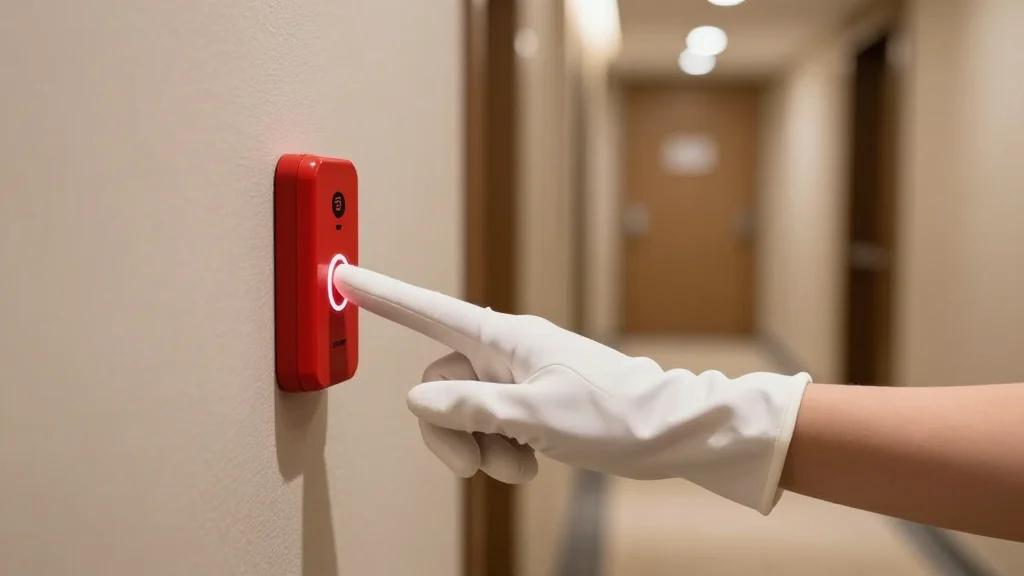
- •Panic buttons required for solo room staff.
- •Workload caps limit rooms and square footage daily.
- •Overtime beyond 10 hours needs written consent.
- •Six‑hour public housekeeping training starts Oct 2026.
- •Employers must keep detailed compliance records.
Pulse Analysis
Los Angeles County’s Hotel Workers Protection Ordinance reflects a growing wave of local labor reforms aimed at safeguarding frontline hospitality staff. By mandating panic‑button devices and a designated on‑site responder, the ordinance directly addresses the rising incidence of guest‑initiated violence and harassment. The requirement for paid time off to file police reports and reasonable accommodations further signals a shift toward employer accountability for employee well‑being, aligning with broader national conversations about workplace safety in service industries.
From an operational standpoint, the HWPO introduces measurable constraints on daily cleaning workloads, tying room counts and square‑footage limits to hotel size. This forces property managers to redesign staffing models, potentially increasing labor hours or hiring additional crew to stay within legal thresholds. The six‑hour interactive training, slated for October 2026, adds a compliance layer that demands both curriculum development and testing infrastructure. Detailed record‑keeping—covering device activations, overtime, and training completion—will likely require upgraded HR systems or third‑party solutions, driving up technology spend but also offering data that can improve workforce planning.
The ordinance’s ripple effects extend beyond Los Angeles County, setting a precedent that other municipalities may emulate. Hospitality operators with multi‑state footprints must now consider a patchwork of local mandates, prompting a strategic review of uniform policy frameworks. Early adoption of the HWPO’s safety protocols can serve as a competitive differentiator, attracting talent seeking protected work environments. For investors and industry analysts, the regulation underscores a trend toward tighter labor standards that could reshape cost structures and influence valuation models for hotel chains operating in high‑regulation markets.
Remember: Los Angeles County Hotel Workers Protection Ordinance Starts April 1, 2026
Comments
Want to join the conversation?