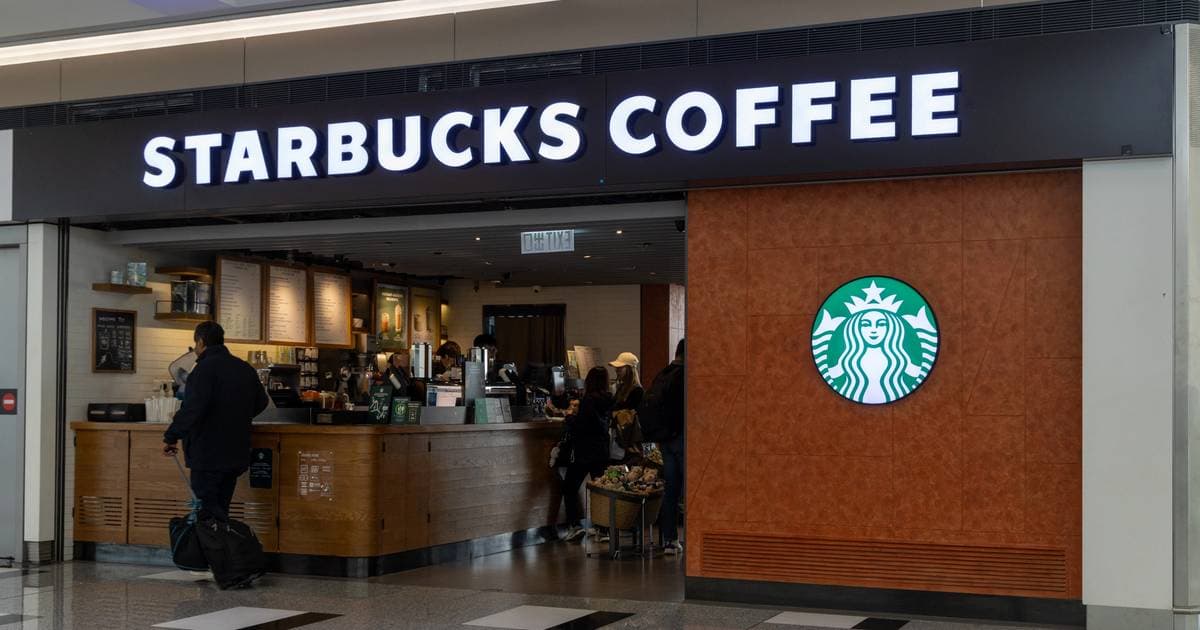
Starbucks Will Switch to Weekly Pay as Workers Want More Frequent Compensation
Key Takeaways
- •Weekly pay starts August, replacing biweekly schedule.
- •Merit bonuses up to $1,200 added to compensation.
- •Tip options expanded for baristas, enhancing earnings.
- •Move aligns with broader employee‑experience turnaround at Starbucks.
Pulse Analysis
The coffee giant’s decision to move to weekly pay marks a rare departure from the U.S. norm of bi‑weekly payroll cycles. While most employers stick to a 14‑day schedule, the Bureau of Labor Statistics notes that only a small fraction offer more frequent pay. Starbucks is leveraging this differentiation to position itself as a progressive employer, especially as it battles a competitive labor market and recent store closures. By accelerating cash flow, the chain hopes to attract and retain hourly talent that increasingly values financial agility.
For workers, the timing of paychecks matters as much as the amount. With inflation still outpacing wage growth—hourly earnings rose just 0.2% in March—many employees live paycheck to paycheck. Faster pay can reduce reliance on costly earned‑wage‑access (EWA) services and high‑interest loans, giving partners more control over budgeting and emergency expenses. The added merit bonuses and expanded tipping further cushion earnings, aligning compensation with performance and customer interaction. Analysts see these moves as part of a broader trend where employers bundle cash‑flow benefits with traditional salary structures to improve overall financial well‑being.
From an HR operations perspective, shifting payroll frequency introduces complexity in scheduling, tax withholdings, and shift differentials. Companies must reconfigure payroll systems, renegotiate vendor contracts, and train managers on new cut‑off dates. Yet the potential upside—higher employee satisfaction, lower turnover, and a stronger employer brand—can outweigh the administrative burden. As more firms observe Starbucks’ rollout, weekly pay may become a benchmark for large, hourly‑heavy organizations seeking to stay competitive in a tight labor market.
Starbucks will switch to weekly pay as workers want more frequent compensation
Comments
Want to join the conversation?