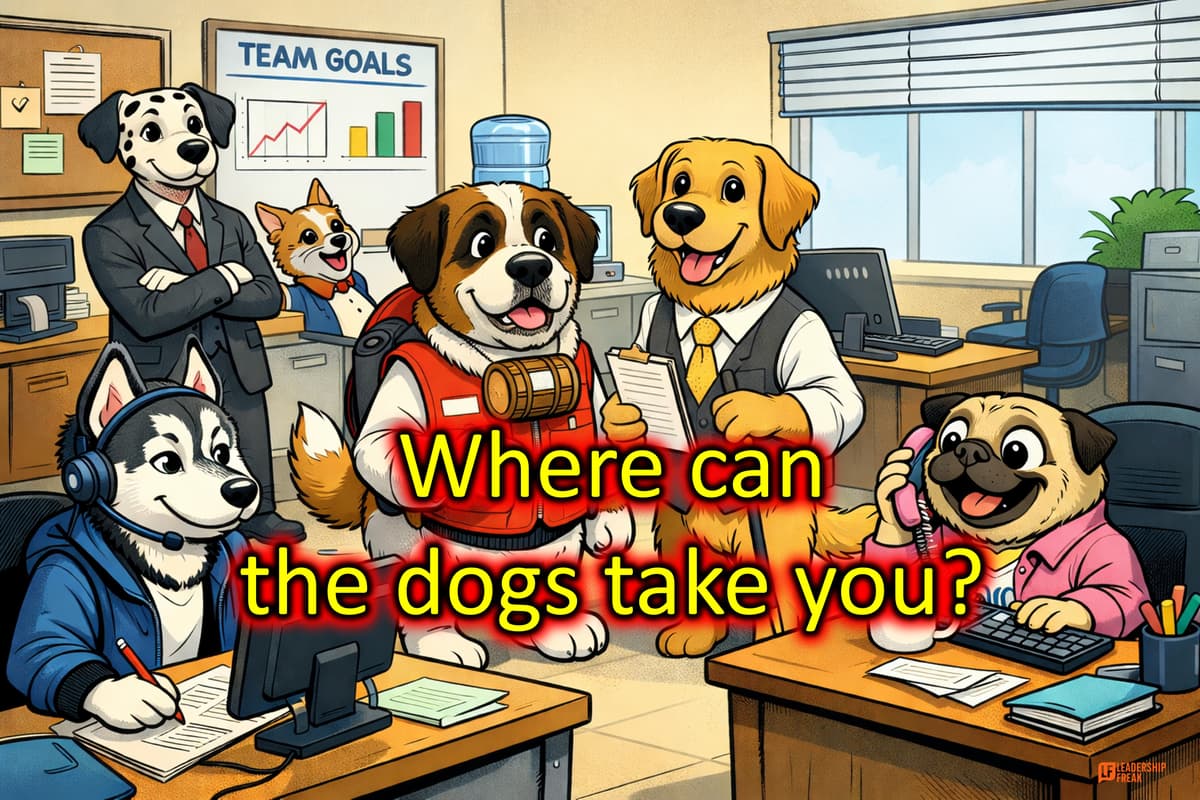
The Dogs In the Shed
Key Takeaways
- •Align roles with natural strengths, like matching dogs to tasks
- •Stop fixing flaws; release talent into fitting positions
- •Use strengths assessments to identify where employees thrive
- •Reposition underutilized staff instead of costly retraining
- •Coaches should ignite passion, not impose it
Pulse Analysis
The strengths‑based leadership model, popularized by books like "Good to Great," argues that the most effective teams are built by placing individuals where their natural abilities shine. By likening employees to dog breeds—Greyhounds for speed, Golden Retrievers for guidance—the article provides a vivid framework that helps leaders visualize role fit. This metaphor cuts through abstract HR jargon, making the case that talent is not a blank slate to be molded but a set of inherent traits to be harnessed.
From a business perspective, aligning talent with role requirements delivers measurable gains. Studies show that employees who work in strength‑aligned positions report up to 30% higher engagement and are up to 50% less likely to leave within a year. Companies that invest in strengths assessments and role‑fit analytics see faster project delivery, lower training costs, and stronger bottom‑line performance. The piece’s emphasis on releasing rather than fixing talent challenges traditional performance‑management cycles that often waste resources on misdirected development.
Practical implementation starts with a simple audit: list each team member’s top three strengths and map them to current responsibilities. Identify gaps where a “Pug‑type” employee is asked to “pull a sled” and reassign tasks accordingly. Coaches should act as catalysts, sparking enthusiasm by assigning stretch projects that align with strengths, rather than imposing generic training. Regular check‑ins, strength‑based feedback loops, and transparent role‑realignment plans keep the momentum, turning the metaphorical shed into a high‑performing pack.
The Dogs In the Shed
Comments
Want to join the conversation?