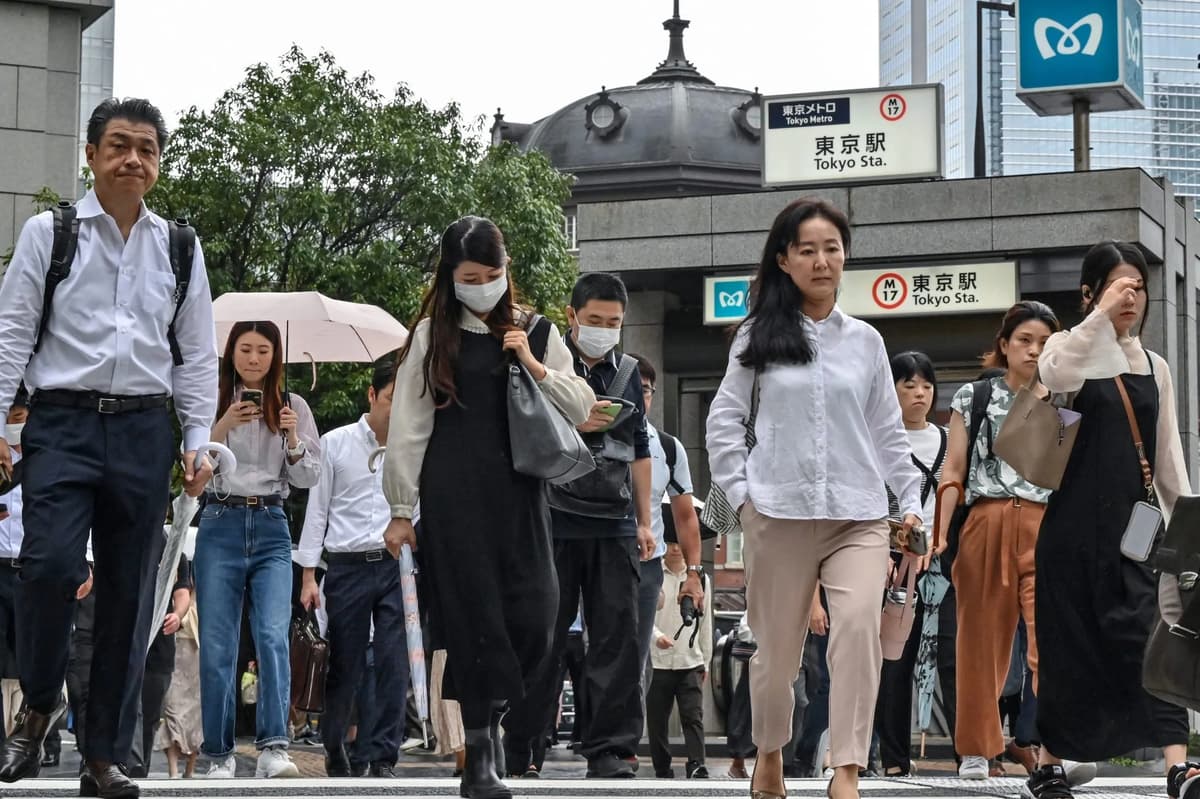
Tokyo Ditches Dress Codes, Tells Workers To Wear Shorts As Energy Crisis Hits Offices
Key Takeaways
- •Tokyo expands Cool Biz, now allowing office shorts.
- •Heatwave temps hit mid‑70s °F, prompting energy savings.
- •Remote shifts and early shifts complement clothing changes.
- •Japan imports 95% oil from Middle East, vulnerable to conflict.
- •Asian firms adopt flexible work to curb fuel use.
Pulse Analysis
Japan’s updated Cool Biz program reflects a pragmatic response to climate‑driven heatwaves and an energy crunch fueled by the Iran‑related war. With Tokyo’s summer temperatures hovering in the mid‑70s °F, office air‑conditioning spikes, straining a grid already pressured by soaring oil import costs—Japan sources roughly 95% of its petroleum from the Middle East, making it sensitive to geopolitical disruptions. By authorising shorts and lightweight tops, the city aims to reduce cooling loads, translating into measurable electricity savings during peak demand periods.
Beyond clothing, the policy nudges firms toward staggered start times and remote work, echoing a regional trend where Vietnam, the Philippines and Sri Lanka are experimenting with home‑based schedules and four‑day weeks to slash fuel consumption. This multifaceted approach tackles energy use from both the supply and demand sides, while also easing employee discomfort. Early‑morning shifts capitalize on cooler outdoor temperatures, further diminishing the need for intensive HVAC systems. For multinational corporations with Japanese subsidiaries, the shift may require revisiting global dress‑code standards and integrating climate‑responsive workplace guidelines.
The broader implication is a potential re‑definition of professional attire worldwide. As younger, post‑pandemic workers prioritize comfort and sustainability, traditional dress codes face mounting pressure. Tokyo’s bold step could serve as a template for other high‑density cities seeking to align corporate culture with environmental imperatives. Companies that adapt quickly may reap cost benefits, enhance employee morale, and position themselves as leaders in the emerging green‑workplace movement.
Tokyo Ditches Dress Codes, Tells Workers To Wear Shorts As Energy Crisis Hits Offices
Comments
Want to join the conversation?