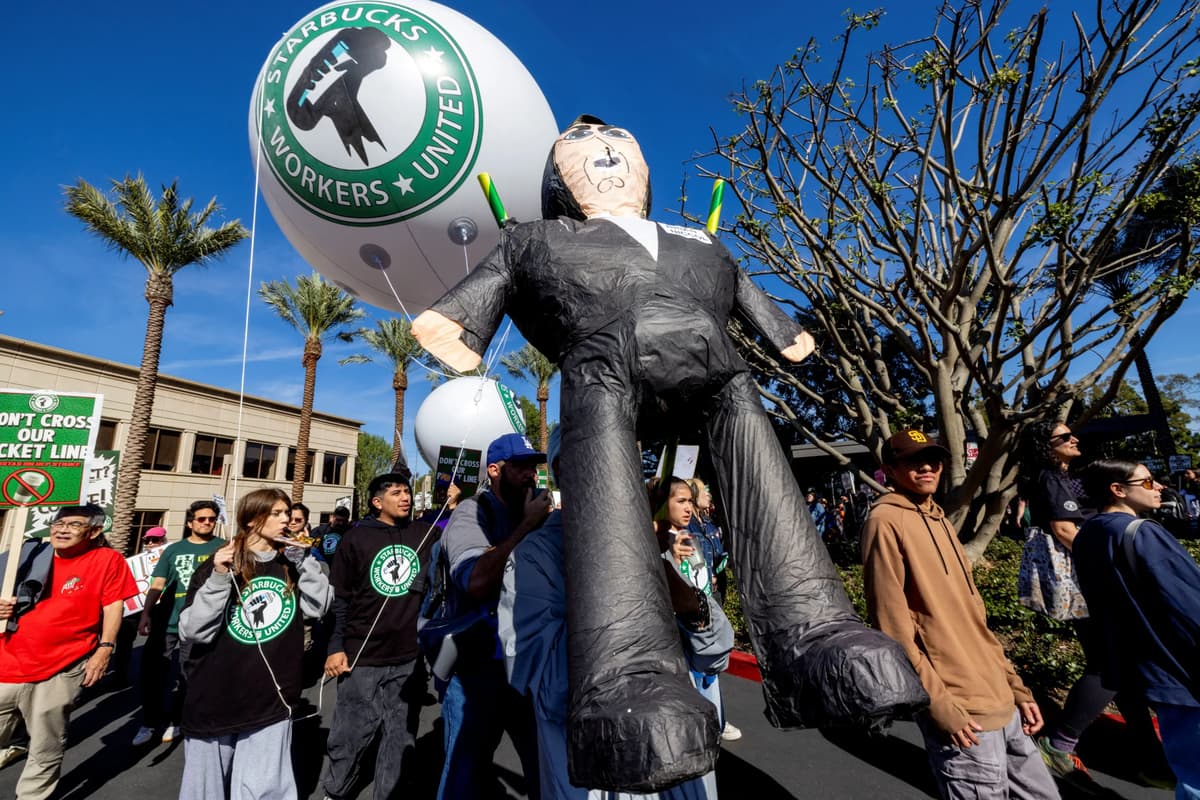
UN Experts Say Starbucks May Be Violating International Law With Alleged Anti-Union Campaign
Key Takeaways
- •UN experts allege Starbucks violates freedom of association
- •Alleged intimidation includes police calls at picket sites
- •Unionized baristas now represent about 4% of U.S. stores
- •Starbucks claims negotiations are in good faith, offers new contract
- •Shareholders largely backed Starbucks despite proxy‑firm warnings
Pulse Analysis
The United Nations’ human‑rights experts have placed Starbucks under a global spotlight, accusing the company of systematic anti‑union tactics that may breach the International Covenant on Civil and Political Rights. Their March 10 letter cites documented incidents—police summoned to picket lines, threats to employees, and alleged intimidation—spanning multiple states since 2021. This scrutiny arrives amid a broader wave of unionization in the U.S. service sector, where workers are increasingly demanding higher wages, benefits, and a voice in workplace decisions.
For investors, the allegations raise both reputational and financial concerns. Proxy advisory firms warned that prolonged labor disputes could erode brand equity and trigger costly litigation, especially if international norms are deemed enforceable in U.S. courts. Yet Starbucks secured overwhelming shareholder support in a recent vote, suggesting confidence in its current strategy. The company’s claim of “good‑faith” negotiations and a new collective‑bargaining offer aims to defuse tension, but the union’s history of filing hundreds of complaints underscores a deep mistrust that could affect future earnings and stock performance.
The outcome of these negotiations will likely reverberate across the retail and hospitality landscape. A settlement that respects workers’ rights could set a benchmark for multinational corporations facing similar UN scrutiny, while a continued impasse might embolden regulators and lawmakers to impose stricter labor standards. As Democratic legislators push for a “fair contract,” the next round of talks will be a litmus test for how large employers balance profit motives with evolving expectations around human‑rights compliance.
UN Experts Say Starbucks May Be Violating International Law With Alleged Anti-Union Campaign
Comments
Want to join the conversation?