$1 Trillion Lost as Workers Delay Mental Health Care
•February 12, 2026
0
Why It Matters
The hidden economic toll underscores the urgency for employers to improve mental‑health benefits communication and for policymakers to boost awareness of existing leave protections, directly influencing productivity and talent retention.
Key Takeaways
- •$1 trillion lost U.S. workforce over five years
- •41% report mental health affecting work, losing 16% income
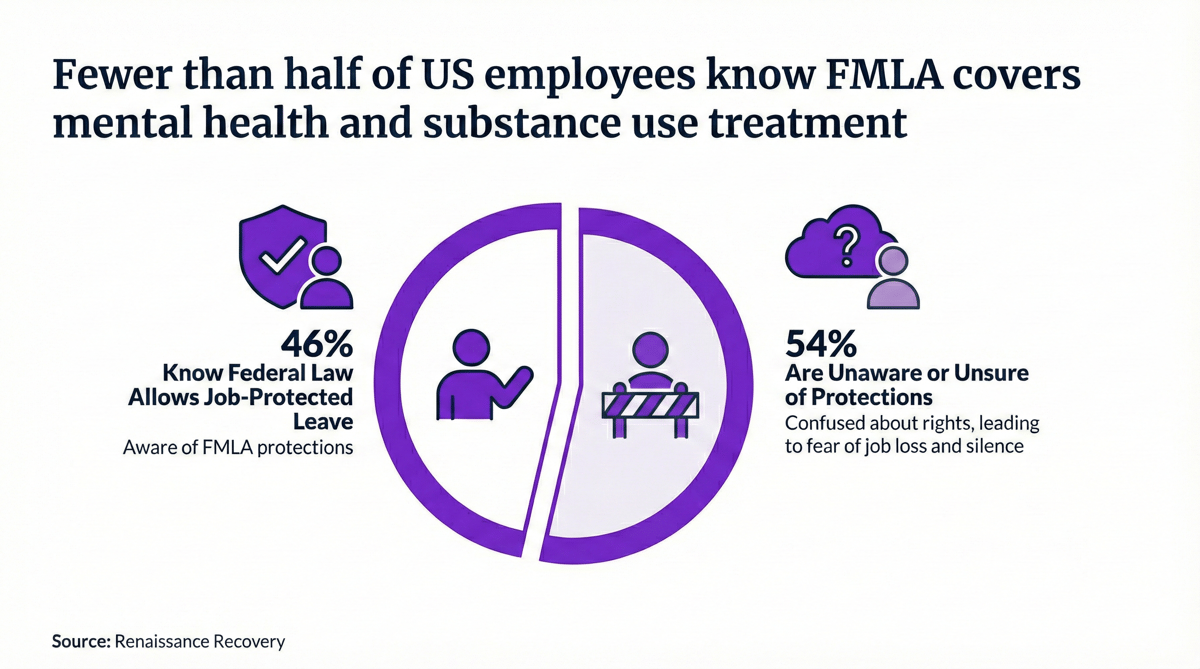
- •Only 46% aware of FMLA mental‑health leave protections
- •56% conceal true reason for taking time off
- •Average employee loses $10,457 income due to delayed care
Pulse Analysis
The $1 trillion earnings gap highlighted by the Renaissance Recovery study reflects a growing, yet often invisible, cost of mental‑health and substance‑use disorders in America’s labor market. By tracking respondents from 2021 to 2025, the survey quantified not only the direct income loss—averaging $10,457 per employee—but also regional disparities, with Massachusetts workers seeing $14,050 in lost earnings versus $7,698 in Mississippi. These figures illustrate how untreated conditions translate into reduced hours, absenteeism, and diminished career trajectories, compounding the macroeconomic impact beyond headline numbers.
For employers, the data exposes a critical communication failure: less than half of the workforce knows that the Family and Medical Leave Act protects mental‑health leave. This knowledge gap fuels stigma, prompting 56 % of workers to conceal the true reason for time off and 43 % to cite physical illness as a safer excuse. The resulting presenteeism drives anxiety, burnout, and a 61 % self‑reported worsening of conditions, eroding productivity and increasing turnover risk. Companies that proactively educate staff about FMLA, short‑term disability, and Employee Assistance Programs can mitigate these hidden costs while fostering a culture that normalizes mental‑health care.
Policy makers and benefit leaders can leverage the study’s insights to design targeted interventions. Enhancing FMLA outreach, standardizing state‑level paid leave, and incentivizing employer‑sponsored mental‑health resources promise measurable ROI by reducing absenteeism and preserving talent. When employees feel secure in taking needed leave, organizations can expect lower replacement costs and higher engagement. Ultimately, bridging the awareness gap could recapture a portion of the trillion‑dollar loss, reinforcing the business case for comprehensive mental‑health strategies across the U.S. economy.
$1 trillion lost as workers delay mental health care
0
Comments
Want to join the conversation?
Loading comments...