Companies Mentioned
Why It Matters
The VRS delivers payroll savings and a leaner workforce while preserving industrial harmony, crucial for Tata Motors’ profitability and EV transition in a competitive market.
Key Takeaways
- •300 of 750 eligible staff accepted Tata Motors' voluntary retirement.
- •VRS targeted permanent employees aged 40‑55 across passenger and commercial units.
- •Scheme aims to cut workforce costs without mandatory layoffs.
- •Reflects industry shift toward efficiency amid EV and technology investments.
Pulse Analysis
Tata Motors rolled out a voluntary retirement scheme (VRS) in April, the first since its 2025 corporate split that separated passenger and commercial vehicle divisions. The offer, open from April 10‑30, was aimed at roughly 750 permanent employees aged 40‑55, promising a compensation package tied to tenure and role plus continued medical benefits. About 300 workers elected to leave, providing the company with an immediate reduction in headcount while avoiding compulsory layoffs. The move signals a strategic use of VRS to fine‑tune its manufacturing footprint.
The package also included a transition assistance fund to support retirees' upskilling. Automakers worldwide are wrestling with the twin pressures of cost discipline and massive capital outlays for electric‑vehicle platforms, autonomous software and revamped supply chains. In that environment, voluntary exits have become a low‑conflict tool for reshaping labor demographics, especially in plants staffed by long‑tenured workers whose skill sets may not align with new production lines. Tata’s VRS mirrors similar programs at European and Asian OEMs, where firms have offered early‑retirement incentives to accelerate plant retooling and improve productivity ratios without triggering union unrest. Such measures also cushion the impact of fluctuating raw‑material prices on overall cost structures.
The modest uptake—roughly 40 % of the eligible pool—suggests that many employees still value job security amid an uncertain market transition. For Tata Motors, the retirements translate into immediate payroll savings and a leaner workforce that can be redeployed to its growing EV and commercial‑vehicle initiatives. Moreover, the voluntary nature of the program helps preserve industrial harmony, a critical factor as the company pursues aggressive cost‑cutting targets and seeks to boost margins in a fiercely competitive Indian automotive sector. Analysts expect the streamlined labor base to accelerate Tata's roadmap for next‑gen electric models.
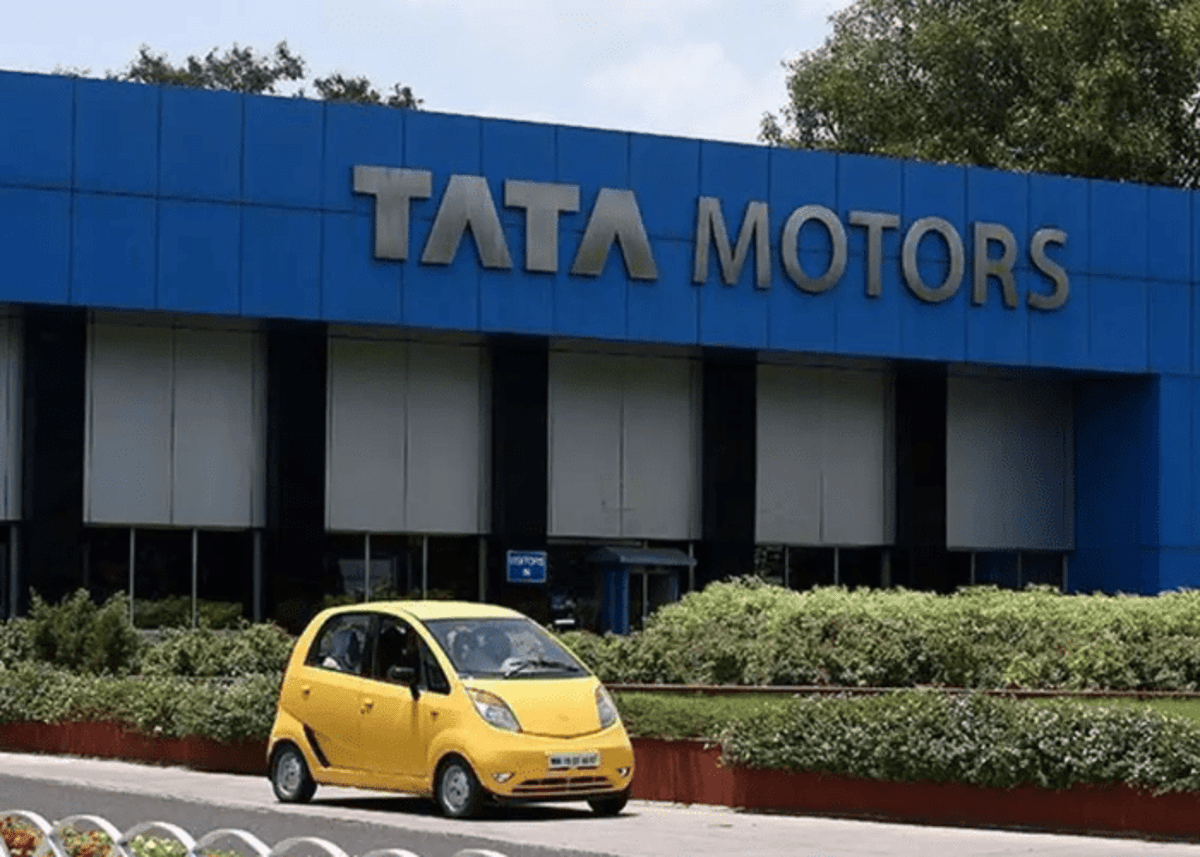
300 employees at Tata Motors opt for VRS
Comments
Want to join the conversation?
Loading comments...