44% of Workers Say Jobs Are Changing Faster than They Can Learn
Why It Matters
The gap between the speed of workplace transformation and workers’ ability to adapt threatens productivity and talent retention, forcing companies to rethink learning strategies. Addressing this mismatch is critical for maintaining competitive advantage in a rapidly evolving global economy.
Key Takeaways
- •44% say job requirements outpace skill learning
- •93% report at least one barrier to professional success
- •Disruption highest in emerging economies, e.g., 86% in India
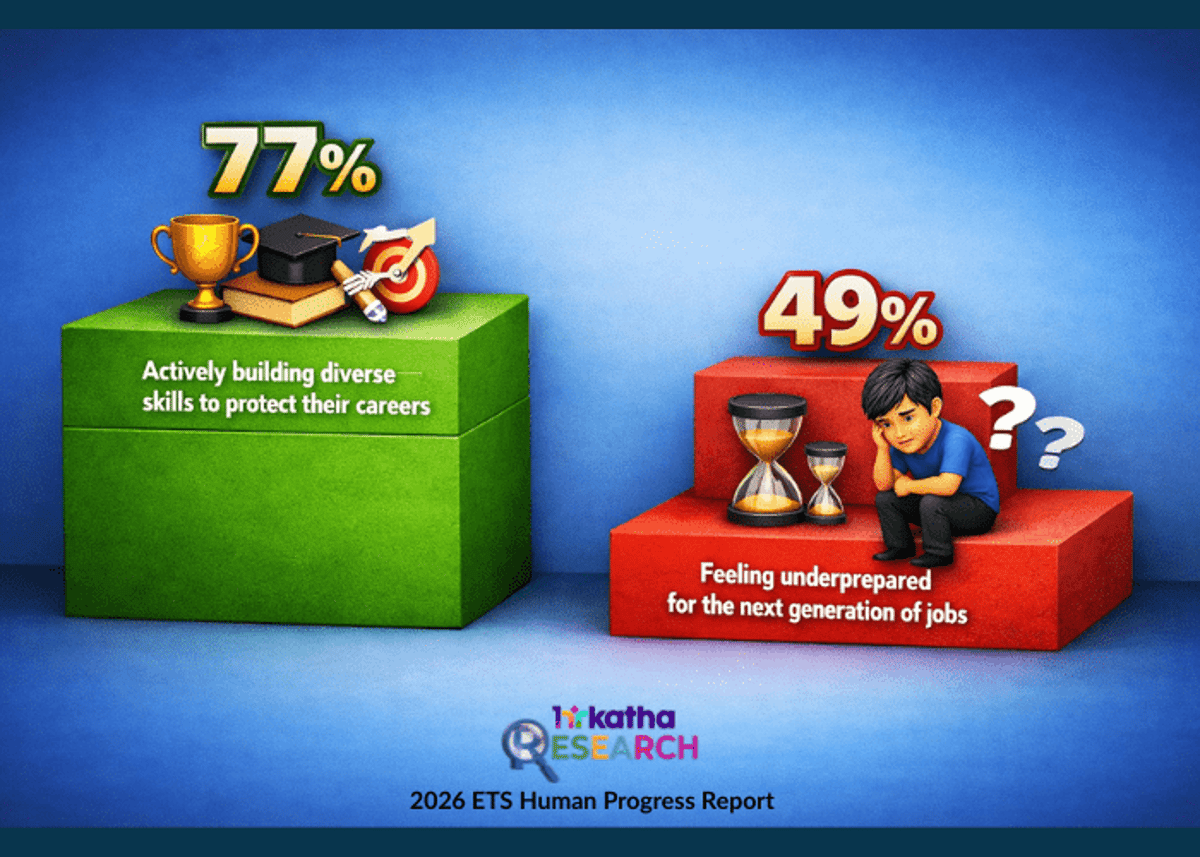
- •77% actively upskill, yet 49% feel unprepared
- •Employers lack continuous learning systems to match change speed
Pulse Analysis
The ETS Human Progress Report underscores a structural misalignment between the velocity of workplace change and the capacity of employees to keep pace. While digital transformation promises efficiency, the data reveal that a majority of workers—especially in middle‑income markets—are grappling with simultaneous shifts in technology, role expectations, and collaboration models. This cascade effect erodes the traditional learning‑on‑the‑job paradigm, demanding a more proactive, forward‑looking approach to talent development.
A striking paradox emerges: despite 77% of respondents actively pursuing new skills, almost half feel ill‑equipped for the next generation of jobs. Certifications have surged, with 80% holding at least one credential, yet they fail to provide the clarity needed to navigate an ever‑shifting skill landscape. The report highlights that the real deficit lies not in motivation but in guidance—workers struggle to identify which competencies will remain relevant as tools evolve faster than the training cycles designed to support them.
For employers, the imperative is clear: shift from episodic training programs to continuous, adaptive learning ecosystems. Leveraging AI‑driven skill mapping, micro‑learning modules, and real‑time labor market analytics can help align employee development with emerging business needs. Policymakers and educational institutions also have a role in creating pathways that anticipate future demand, ensuring that the workforce remains resilient amid relentless change. Companies that embed such agility into their talent strategy will be better positioned to sustain productivity and retain top talent in the face of ongoing disruption.
44% of workers say jobs are changing faster than they can learn
Comments
Want to join the conversation?
Loading comments...