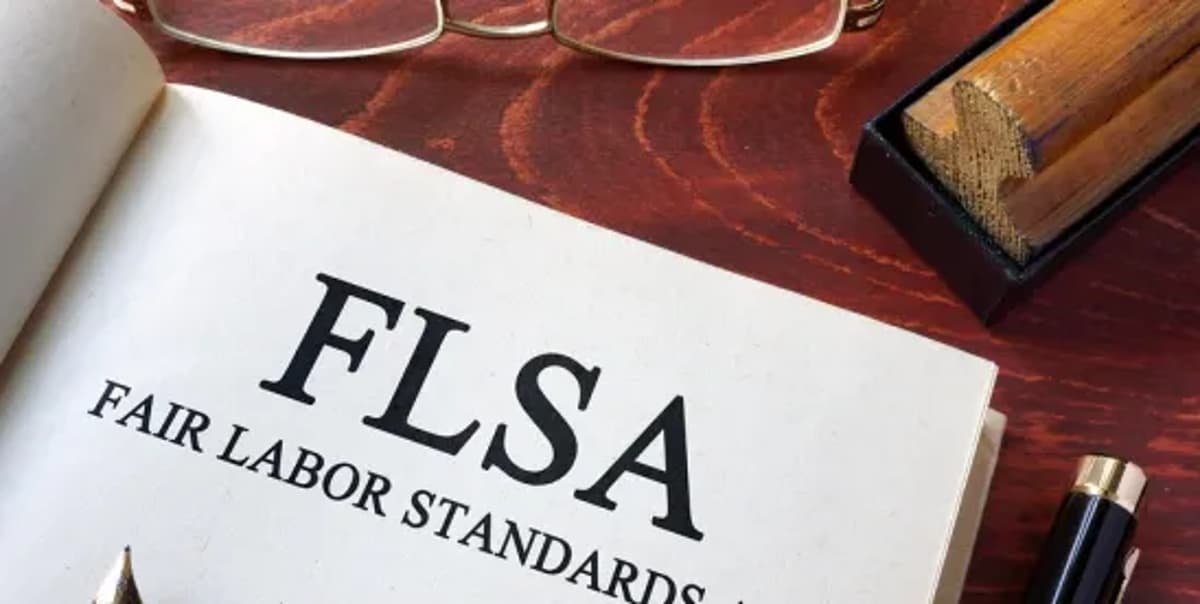
6 Common FLSA Mistakes Employers Continue to Make
Why It Matters
These mistakes generate multi‑million dollar liabilities and erode employee trust, making FLSA compliance a strategic priority for any U.S. employer.
Key Takeaways
- •Non‑discretionary bonuses must be added to the overtime regular rate
- •Overtime is calculated per workweek, not per bi‑weekly pay period
- •Salary alone does not guarantee exempt status; duties test applies
- •Commission‑only pay requires minimum‑ wage and overtime unless exempt
- •Mislabeling workers as contractors can trigger wage‑and‑hour liability
Pulse Analysis
The Fair Labor Standards Act, enacted in 1938, still governs today’s payroll practices, yet many companies treat it as a relic. Modern compensation models—bonuses, commissions, and remote work—introduce nuances that can easily breach the law. For instance, non‑discretionary bonuses such as productivity or attendance awards must be factored into the regular rate of pay, inflating overtime obligations for any hours worked over 40 in a workweek. Ignoring this rule can quickly snowball into collective‑action lawsuits, especially when large employee groups share the same bonus structure.
A second source of risk lies in the misconception that payroll cycles dictate overtime eligibility. The FLSA mandates a strict workweek calculation, meaning that averaging hours across a biweekly period is illegal. Similarly, the $684‑per‑week salary threshold ($35,568 annually) does not automatically confer exempt status; employees must also satisfy specific duties tests. Companies that rely on salary alone often misclassify staff, exposing themselves to back‑pay, liquidated damages, and hefty attorney fees. Commission‑only arrangements add another layer of complexity—unless the employee qualifies for the outside‑sales exemption, minimum‑wage and overtime rules still apply.
To safeguard against these pitfalls, businesses should conduct regular, comprehensive audits of compensation structures, job descriptions, and remote‑work policies. Legal counsel can verify that bonus allocations, salary levels, and classification criteria meet current Department of Labor guidance. By embedding compliance checks into payroll systems and HR workflows, firms not only avoid costly litigation but also reinforce a culture of fair labor practices, which increasingly influences talent attraction and retention in a competitive market.
6 Common FLSA Mistakes Employers Continue to Make
Comments
Want to join the conversation?
Loading comments...