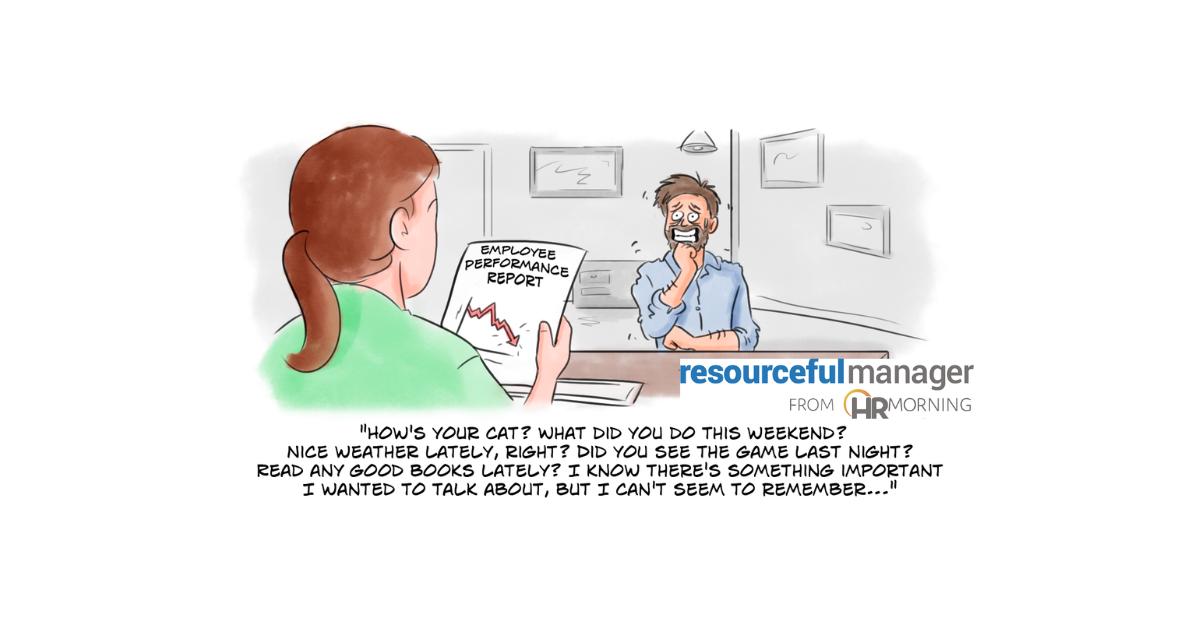
7 Deadly Sins of Giving Tough Feedback
Why It Matters
Effective, timely feedback boosts employee engagement and reduces turnover, directly impacting a company’s bottom line.
Key Takeaways
- •Prepare specific talking points before feedback sessions.
- •Use concrete examples, avoid vague generalizations.
- •Build trust with employees before delivering criticism.
- •Be direct, skip the feedback sandwich.
- •Follow up with actionable steps and regular check‑ins.
Pulse Analysis
In today’s talent‑driven market, managers who master the art of constructive criticism gain a decisive advantage. Research consistently shows that employees who receive clear, actionable feedback are up to 30% more productive and far less likely to leave. Yet many leaders stumble on the same pitfalls—unpreparedness, vague language, and delayed conversations—that erode trust and stall growth. By treating feedback as a strategic lever rather than a punitive moment, organizations can transform routine performance reviews into engines of continuous improvement.
The "seven deadly sins" identified by HiBob’s Director of People Operations capture the most common errors: lack of preparation, over‑generalization, failure to establish trust, indirect communication, omission of actionable steps, neglecting follow‑up, and procrastination. Each sin not only confuses the employee but also signals a deeper cultural weakness. Studies from Kellogg School of Management reveal that first‑time managers who skip trust‑building are twice as likely to see their direct reports disengage. Directness, specificity, and a clear action plan are therefore non‑negotiable components of any feedback framework.
Practically, managers should adopt a structured approach: outline objectives, cite concrete incidents, tie feedback to the employee’s career goals, and co‑create a measurable improvement plan. Follow‑up meetings and brief progress reports keep the momentum alive and demonstrate managerial investment. Leveraging technology—such as real‑time performance dashboards or feedback apps—can streamline documentation and ensure consistency. When executed correctly, tough feedback becomes a catalyst for skill development, higher morale, and ultimately, stronger business outcomes.
7 Deadly Sins of Giving Tough Feedback
Comments
Want to join the conversation?
Loading comments...