A Hiring Rule Meant to Help People with Disabilities Get Federal Jobs Instead Left Them More Vulnerable to DOGE Mass Firings
Why It Matters
The policy exposes a systemic vulnerability for disabled federal workers, risking talent loss and potential legal liability for agencies, and highlights the need for reforming probation standards.
Key Takeaways
- •Trump’s 2025 mass probationary firings hit Schedule A disabled hires
- •Schedule A employees face two‑year probation, double standard vs. regular staff
- •Over 300 disabled workers lost jobs in HHS alone during firings
- •Legal challenges cite unfair treatment and lack of job protection
- •Advocates urge Biden admin to shorten Schedule A probation to one year
Pulse Analysis
The Trump administration’s 2025 effort to trim the federal workforce triggered a wave of probationary terminations that rippled through agencies nationwide. While the standard probation for most new hires lasts one year, the Schedule A hiring authority—designed to bring in individuals with severe physical, psychiatric, or intellectual disabilities—extends this period to two years, leaving those employees with weaker civil‑service protections. As a result, when agencies were instructed to cut staff, Schedule A workers were disproportionately caught in the crossfire, despite often having years of prior experience as contractors or in related roles.
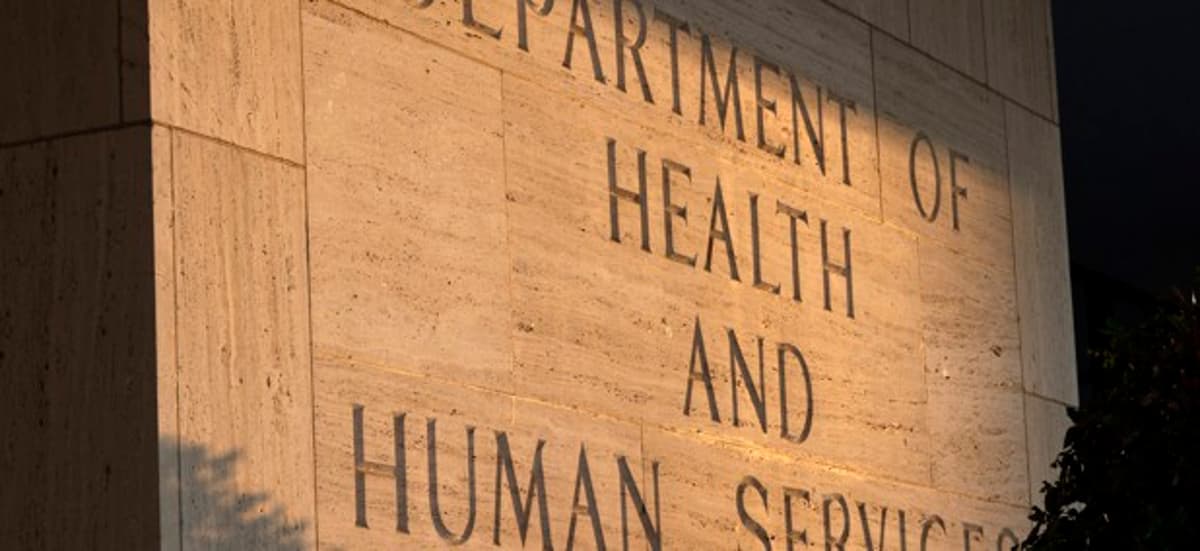
The human cost quickly became evident. In the Health and Human Services Department alone, roughly 1,400 probationary employees were dismissed in May 2025, including more than 300 Schedule A hires. Those affected report a steep drop in earnings, loss of health benefits, and a prolonged job search in a tight market, especially outside the Washington, D.C. corridor. Legal challenges have emerged, arguing that the extended probation period violates equal‑employment principles and effectively discriminates against disabled workers. Disability advocates, such as hearing‑loss activist Janice Lintz, contend that the policy creates an “unfair practice” that undermines the very purpose of Schedule A.
Policymakers are now confronting the unintended consequences of a well‑intentioned hiring mechanism. Reform proposals focus on aligning Schedule A probation with the standard one‑year timeline, thereby granting disabled employees comparable job security and reducing exposure to bulk layoffs. Such a change would not only protect a vulnerable segment of the federal workforce but also preserve institutional knowledge and diversity that benefit agency performance. As the Biden administration evaluates its workforce strategy, addressing the Schedule A probation disparity could signal a broader commitment to inclusive hiring while mitigating future legal and reputational risks for the government.
A hiring rule meant to help people with disabilities get federal jobs instead left them more vulnerable to DOGE mass firings
Comments
Want to join the conversation?
Loading comments...