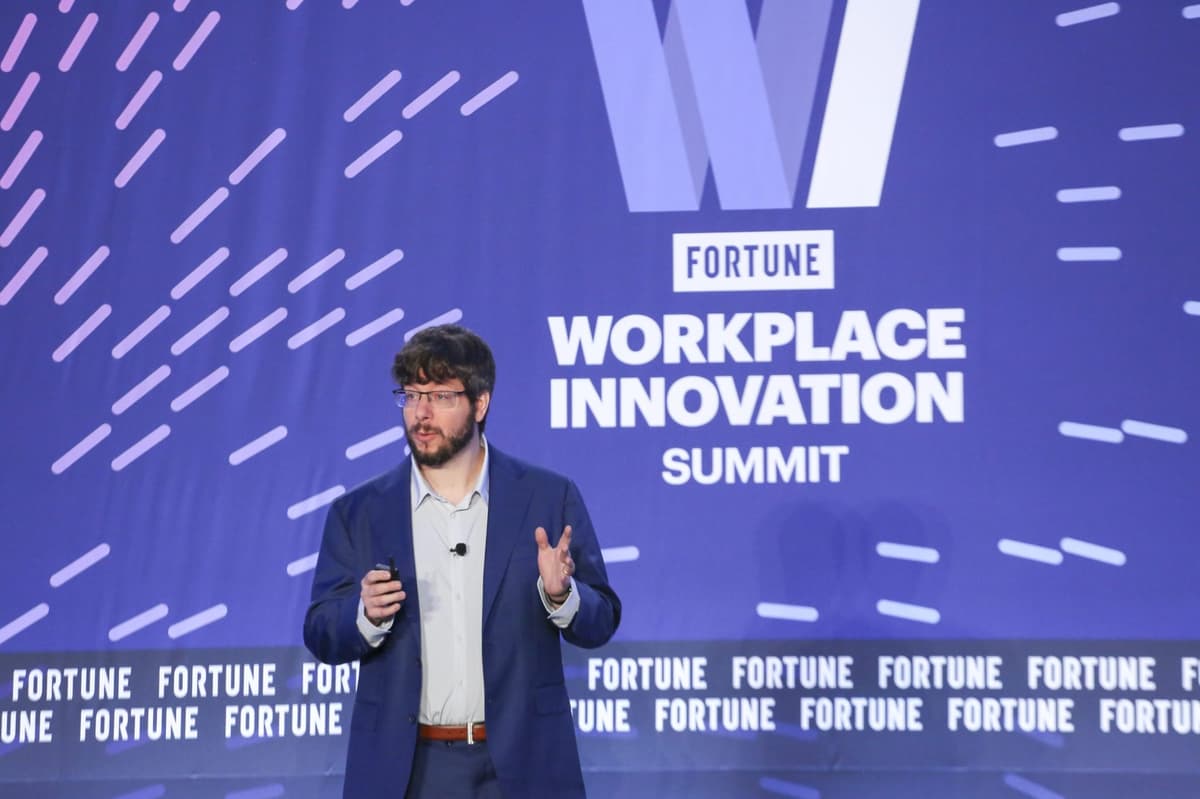
A ‘Proudly Autistic’ Workplace Expert Says Putting Neurodivergent Employees in a Typical Office Is Like Dropping a Polar Bear in Austin, Texas
Companies Mentioned
Why It Matters
Neurodivergent talent represents a sizable, under‑leveraged workforce; failing to accommodate them risks high turnover and lost productivity while competitors reap growth benefits from inclusive practices.
Key Takeaways
- •20% of U.S. adults identify as neurodivergent
- •Only 25% feel included at work, per EY 2025 survey
- •39% plan to quit within a year
- •Universal design benefits all employees, not just disabled
- •Companies with disability inclusion see faster revenue growth and higher productivity
Pulse Analysis
The neurodiversity conversation has moved from niche advocacy to a strategic business imperative. With one‑in‑five American adults identifying as neurodivergent, organizations that continue to design workplaces solely for neurotypical norms are inadvertently marginalizing a substantial talent pool. Recent EY data shows just 25% of neurodivergent workers feel truly included, and nearly 40% are planning to leave their current roles within twelve months. This talent leakage not only erodes institutional knowledge but also inflates recruitment costs, underscoring the urgency for a paradigm shift.
Research from Accenture and EY demonstrates that firms leading in disability inclusion enjoy faster revenue growth, higher profit margins, and superior productivity metrics. The underlying driver is simple: when structural barriers are removed, high‑performing neurodivergent employees can apply their unique problem‑solving abilities without the friction of a mismatched environment. The cost of turnover—estimated at 1.5 to 2 times an employee’s salary—further amplifies the financial upside of proactive inclusion. Companies that embed universal design principles gain a durable competitive advantage, attracting talent that values flexibility and purpose‑driven workplaces.
Implementing universal design does not require a complete office overhaul. Simple interventions—adjustable lighting, quiet zones, flexible onboarding, and captioned communications—serve both neurodivergent and neurotypical staff, mirroring how curb cuts and closed captions benefitted broader populations. Early adopters such as JP Morgan and Microsoft report improved employee satisfaction and retention after introducing these accommodations. Managers can reinforce this shift by reframing performance concerns as potential environmental mismatches, asking, “Is this a polar bear in the desert?” rather than questioning motivation. By institutionalizing inclusive design, firms can retain hidden talent, boost innovation, and stay ahead of competitors in the evolving talent market.
A ‘proudly autistic’ workplace expert says putting neurodivergent employees in a typical office is like dropping a polar bear in Austin, Texas
Comments
Want to join the conversation?
Loading comments...