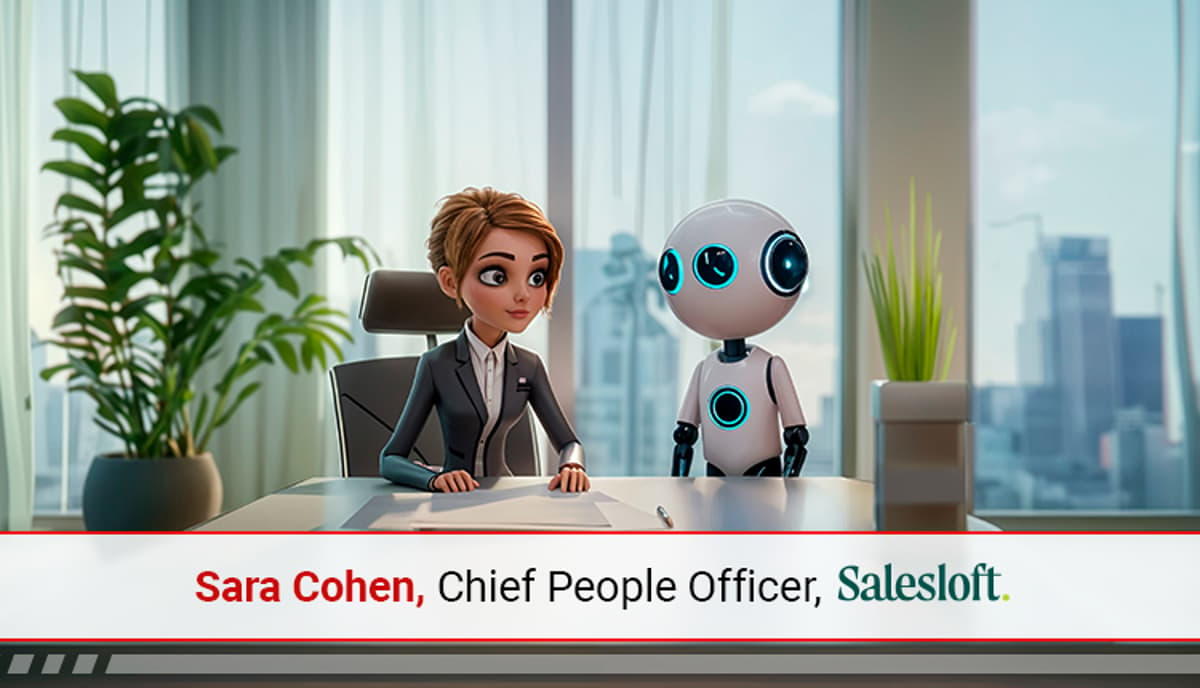
AI Is Exposing the Generational Fault Lines HR Has Been Ignoring
Why It Matters
If unaddressed, generational conflict will accelerate attrition, erode knowledge transfer, and blunt the productivity gains AI promises, making it a strategic risk for any organization undergoing digital transformation.
Key Takeaways
- •Gen Z reports higher stress; over half cite generational tension
- •Baby Boomers also feel burnout, with one‑third affected
- •AI rollout speed outpaces workforce comfort, fueling age‑based friction
- •Clear AI governance and measurable performance metrics reduce ambiguity
- •People analytics can flag generational tension early for retention
Pulse Analysis
Generational diversity has become a structural challenge as the U.S. labor force ages; the Bureau of Labor Statistics predicts one in four workers will be 55 or older by 2031. While older cohorts bring institutional knowledge, younger employees—especially Gen Z—are quick to adopt AI tools that promise efficiency. The clash isn’t merely cultural; it stems from vague performance standards and incentive systems built by one generation but evaluated by another, turning technology adoption into a proxy for deeper value judgments.
Artificial intelligence amplifies these fault lines because it reshapes how work is measured. A 64% majority of CEOs say AI success hinges on people’s adoption, yet 61% admit they are pushing rollouts faster than employees feel comfortable. When AI usage remains discretionary, it creates a de‑facto test of work ethic across age groups, inflaming stress and burnout. Organizations that embed AI into documented workflow policies, rather than treating it as an optional add‑on, can align expectations and reduce the perception that newer tools diminish the worth of experience.
HR leaders have the leverage to turn tension into a competitive advantage. By auditing ambiguous performance language, tying evaluations to observable, data‑driven behaviors, and deploying people‑analytics dashboards that surface cohort‑specific friction signals, firms can intervene before attrition spikes. Early‑warning metrics—pulse surveys, engagement scores, internal mobility trends—allow proactive reskilling and targeted support. In doing so, companies not only safeguard talent but also unlock the synergistic power of seasoned expertise paired with AI‑enhanced agility, positioning themselves for sustainable growth in the AI‑driven economy.
AI Is Exposing the Generational Fault Lines HR Has Been Ignoring
Comments
Want to join the conversation?
Loading comments...