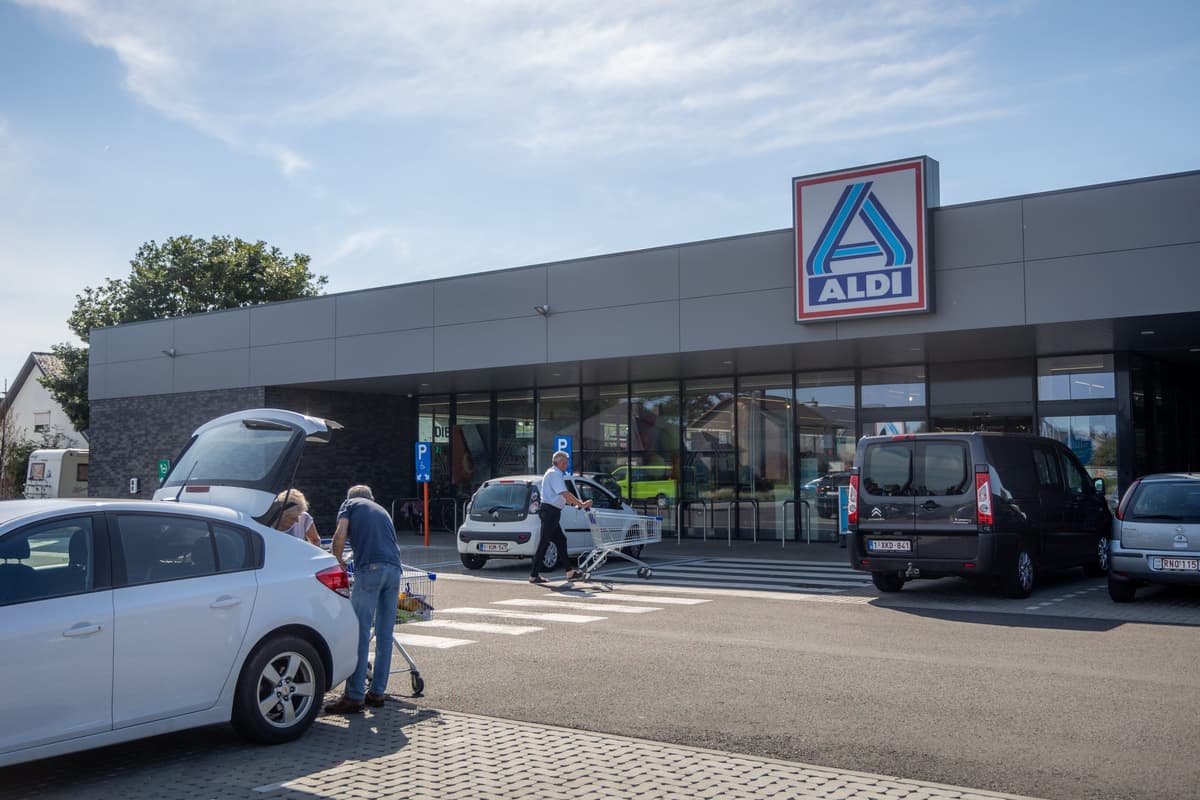
Aldi Employees in Brussels Went on Strike on Saturday
Companies Mentioned
Why It Matters
The dispute highlights the clash between expanding retail hours and worker protections, potentially reshaping labor standards across Belgium’s grocery sector.
Key Takeaways
- •22 of 26 Brussels Aldi stores closed on Saturday.
- •Strikes protest Aldi's plan to open on Sundays.
- •Unions fear loss of regular day off for workers.
- •Government may eliminate mandatory weekly closing day this summer.
- •Sector talks scheduled for June amid broader Belgian retail unrest.
Pulse Analysis
The latest wave of industrial action hit Aldi’s Brussels‑Halle‑Vilvoorde network on Saturday, with 22 of the chain’s 26 stores shutting their doors. Employees, represented by Setca and CNE, walked out after management announced a pilot program to open supermarkets on Sundays. The protest mirrors earlier closures in Flanders, where more than fifty stores sat idle, and in Wallonia, where outlets around Charleroi and Verviers also halted sales. Workers argue that Sunday shifts would erode their guaranteed weekly rest day and that Aldi has offered little concrete detail on scheduling or compensation.
The dispute unfolds against a broader shift in Belgian labour law. The federal government recently signaled support for scrapping the statutory weekly closing day, a measure that would give retailers the flexibility to operate seven days a week. Parliament must still approve the amendment, but if enacted this summer, the legal barrier to Sunday openings would disappear. Unions fear that the change could set a precedent for reduced worker protections across sectors, while retailers tout the potential for higher sales and better alignment with consumer habits.
For Aldi, the stakes are both operational and reputational. As Europe’s fastest‑growing discount chain, it relies on a lean cost structure and predictable staffing patterns. Prolonged strikes could dent same‑store sales and pressure the brand’s image of reliability. At the same time, competitors such as Lidl and Carrefour are already experimenting with seven‑day schedules in neighboring markets, raising the risk that Aldi falls behind if it cannot secure a mutually acceptable work‑time agreement. Ongoing talks scheduled for June will likely determine whether the conflict remains isolated or sparks a sector‑wide renegotiation of Sunday‑opening policies.
Aldi employees in Brussels went on strike on Saturday
Comments
Want to join the conversation?
Loading comments...