As the 5-Day Workweek Turns 100, It’s Time for an AI Era Upgrade

Why It Matters
A four‑day week could restore the balance between productivity and compensation, while incentivizing employees to embrace AI tools, ultimately strengthening talent retention and market growth.
Key Takeaways
- •Four‑day week boosts wellbeing, creativity, and AI adoption incentives
- •Historical 5‑day shift grew consumer market; similar gains expected now
- •Knowledge workers waste 664 hours annually on low‑value tasks
- •Productivity rose 74% since 1973, wages only 9%
- •OpenAI recommends four‑day workweek in its industrial policy
Pulse Analysis
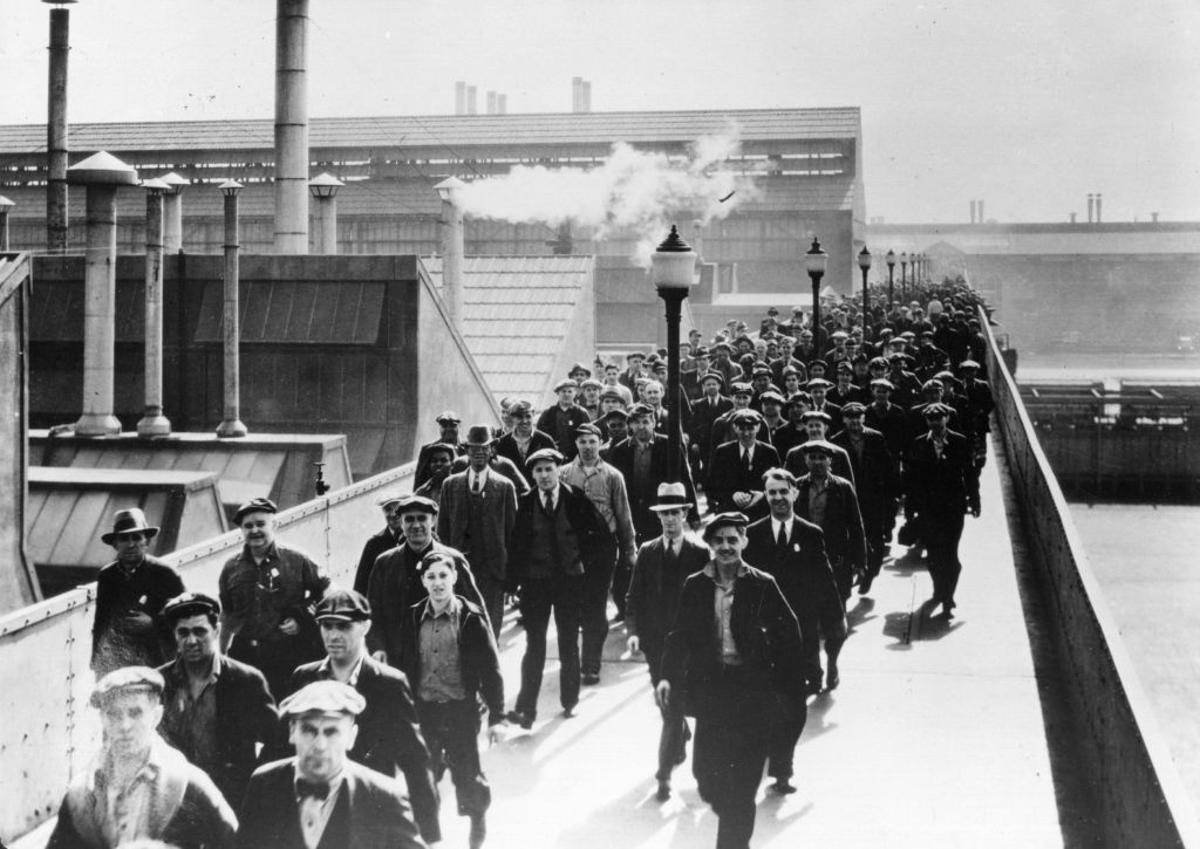
The five‑day, 40‑hour schedule that Ford cemented in 1922 reshaped American labor by turning leisure into a driver of consumption. Ford’s gamble paid off: higher wages and shorter hours expanded car ownership beyond the elite, fueling a booming consumer market. That historic pivot illustrates how a deliberate change to work structure can create a competitive edge, a lesson that resonates as we approach another century‑defining moment.
Today’s economy is dominated by knowledge work, where output is less tied to clock‑time and more to cognitive effort. Studies show the average employee wastes over 600 hours a year on meetings, duplicated tasks, and idle chatter, while productivity gains outpace wage growth—productivity up 74% since the 1970s versus a mere 9% rise in real hourly pay. AI promises to automate routine functions, yet many workers resist adoption, fearing job displacement. Aligning AI incentives with tangible benefits, such as an extra day off, can turn apprehension into experimentation.
Policy makers and innovators are already testing the four‑day model. Companies that have piloted a reduced week report higher engagement, lower burnout, and maintained or improved output. OpenAI’s recent policy brief even lists the four‑day workweek as a recommendation for the “intelligence age.” By granting an additional day of rest without salary cuts, firms can attract talent, boost morale, and accelerate AI integration—mirroring Ford’s strategy of using better work conditions to expand market demand. The convergence of AI, productivity data, and evolving employee expectations makes a four‑day week a compelling next step for modern business.
As the 5-Day Workweek Turns 100, It’s Time for an AI Era Upgrade
Comments
Want to join the conversation?
Loading comments...