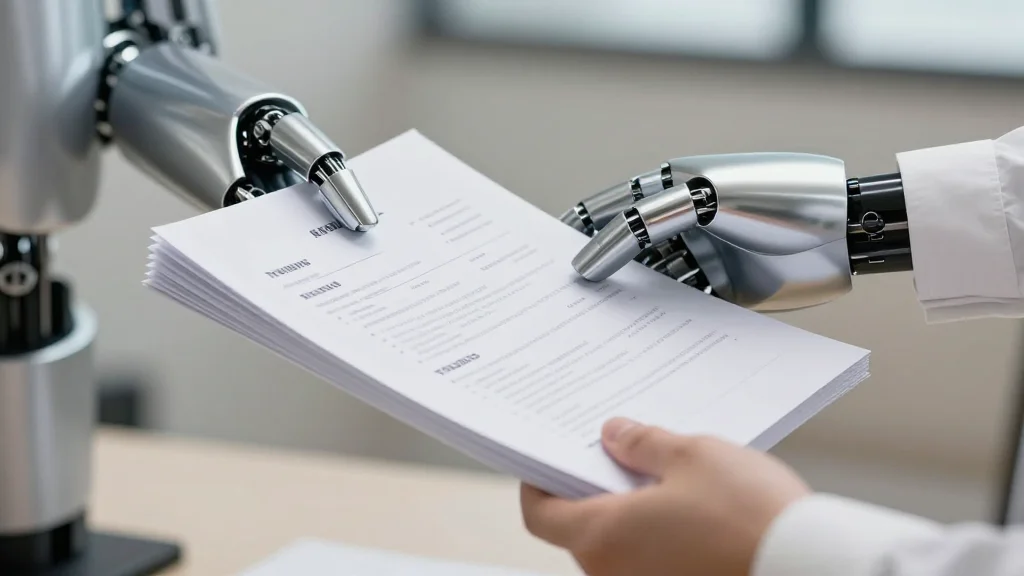
Banks Brace for Massive Workforce Cuts as AI Recruitment Takes Hold

Companies Mentioned

Why It Matters
The acceleration of AI‑driven hiring in banking threatens to upend the traditional apprenticeship model that has long supplied the industry’s talent pipeline. Reducing junior analyst cohorts by up to two‑thirds could create a future shortage of seasoned professionals, potentially impairing risk management and client relationship capabilities. Moreover, the displacement of mid‑level roles raises legal and reputational risks, as employees and regulators scrutinize the fairness and transparency of algorithmic screening. For HR leaders, the trend forces a reevaluation of talent strategy: investing in AI literacy, designing robust reskilling pathways, and establishing governance frameworks to ensure ethical use of recruitment algorithms. Failure to address these issues could exacerbate talent gaps, increase turnover costs, and invite regulatory scrutiny, while proactive adaptation may position banks as innovators in the future of work.
Key Takeaways
- •JPMorgan CEO Jamie Dimon says AI "will eliminate jobs"
- •Junior analyst classes cut by up to two‑thirds; 62% of AI talent sourced from those cohorts
- •Barclays summarized >8 million calls with generative AI, citing efficiency gains
- •Citigroup launches multilingual AI wealth‑management avatar
- •Standard Chartered CEO Bill Winters frames AI as replacing "lower‑value human capital"
Pulse Analysis
The banking sector’s embrace of AI for recruitment marks a strategic inflection point that extends beyond cost savings. Historically, banks have relied on a steady flow of junior analysts to nurture future leaders; compressing that pipeline risks a talent deficit that could surface as senior‑level expertise wanes. This creates a paradox: AI can streamline operations today but may erode the human capital needed for tomorrow’s complex decision‑making.
From a competitive standpoint, banks that successfully integrate AI while offering credible reskilling programs could differentiate themselves as forward‑looking employers, attracting top AI talent and retaining high‑potential staff. Conversely, firms that rely solely on automation risk alienating a generation of candidates wary of opaque algorithms, potentially driving talent to fintechs or tech‑centric firms that promise more transparent career pathways.
Regulatory pressure is likely to intensify as lawmakers examine algorithmic bias and job displacement. Banks will need to embed governance, audit trails, and explainability into their AI hiring stacks to mitigate legal exposure. In the short term, the market may see a surge in AI‑focused hiring, but the longer‑term health of the industry will hinge on how effectively banks balance efficiency with the cultivation of human expertise. The next wave of HR strategy will be defined not just by the tools deployed, but by the policies that ensure those tools augment rather than replace the workforce.
Banks Brace for Massive Workforce Cuts as AI Recruitment Takes Hold
Comments
Want to join the conversation?
Loading comments...