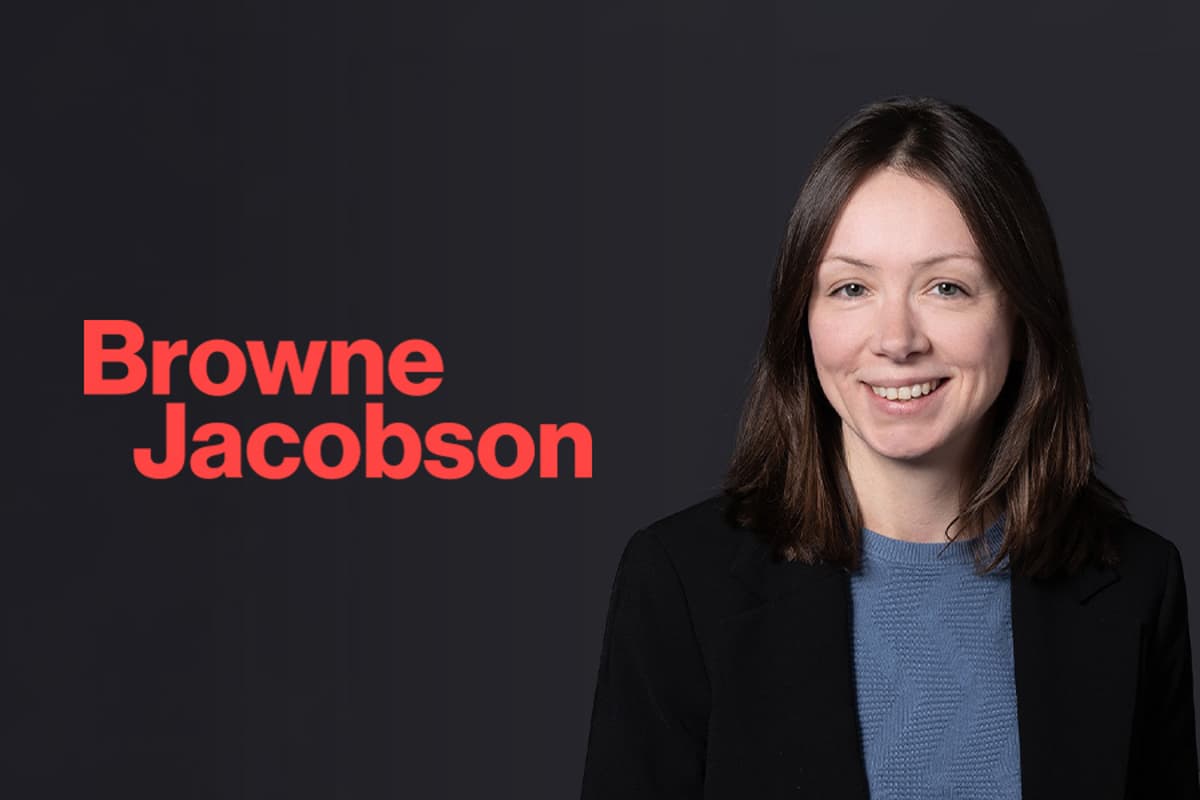
Big Interview | People Director, Browne Jacobson - 'A Five Year Career Break Landed Me a Top Role'
•March 11, 2026
0
Why It Matters
Sutton’s story demonstrates that extended career breaks and parenting skills are valuable assets for talent strategy, encouraging firms to broaden their leadership pipelines. It also highlights the legal industry’s shift toward flexible, people‑focused workplaces.
Key Takeaways
- •Marine biologist transitioned to HR, now Chief People Officer
- •Five-year career break for parenting, then rejoined legal sector
- •Browne Jacobson hired her for people‑focused culture
- •Pandemic home office led to furlough expertise and restructuring
- •Parenting skills positioned as strategic business asset
Pulse Analysis
The legal sector is increasingly recognizing that talent acquisition and retention extend beyond traditional qualifications. Shelley Sutton’s trajectory—from marine biology to senior HR leadership—illustrates how diverse backgrounds enrich organisational culture. Firms like Browne Jacobson are capitalising on this by prioritising people‑centric values, which attract candidates who bring fresh perspectives and resilience, especially after career interruptions.
Career breaks, once viewed as gaps, are now being reframed as periods of skill development. Sutton’s five‑year hiatus to raise her children equipped her with multitasking, crisis management, and empathy—attributes that proved vital during the pandemic’s abrupt shift to remote work. Her rapid mastery of furlough regulations and restructuring initiatives underscores how parenting experience can translate directly into strategic business capabilities, prompting HR leaders to reassess hiring criteria.
The pandemic accelerated flexible work models, forcing HR professionals to innovate in real time. Sutton’s home‑office setup, balancing meetings with young children, exemplifies the new normal where work‑life integration is essential. Legal firms that embed such flexibility into their culture not only retain top talent but also foster a workforce capable of navigating future disruptions. As the industry evolves, recognising parenting as a strategic asset will become a competitive differentiator for firms seeking sustainable growth.
Big Interview | People Director, Browne Jacobson - 'A five year career break landed me a top role'
0
Comments
Want to join the conversation?
Loading comments...