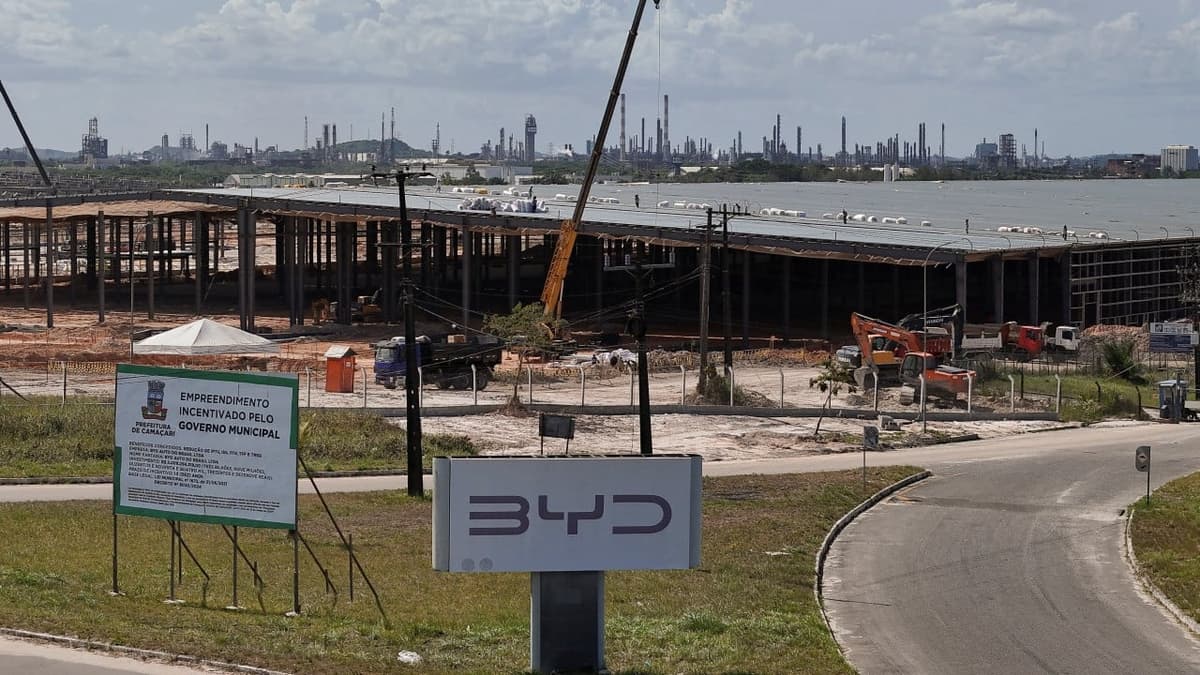
Brazil Blacklists BYD for Slave Labour Conditions at Its Biggest Plant Outside China
Why It Matters
The designation threatens BYD’s financing and reputation in its largest overseas market, highlighting growing regulatory scrutiny of forced‑labour practices in the global auto sector.
Key Takeaways
- •BYD added to Brazil's forced‑labour blacklist.
- •Workers' passports locked, wages largely remitted to China.
- •Blacklist limits access to state financing and public contracts.
- •R$40 million settlement does not remove BYD from list.
- •BYD commands 74% of Brazil EV market despite controversy.
Pulse Analysis
Brazil’s "dirty list"—the Cadastro de Empregadores—serves as a powerful tool to enforce the country’s zero‑tolerance stance on forced labour. In April 2026, BYD Auto do Brasil was added after a December 2024 inspection uncovered severe violations: workers’ passports were confined in a locked cabinet, wages were siphoned to accounts in China, and living quarters lacked basic sanitation. The findings illustrate how multinational manufacturers can encounter local labour standards that differ dramatically from home‑country practices, especially in fast‑growing sectors like electric vehicles.
The immediate consequence for BYD is a restriction on state‑bank loans and eligibility for private financing tied to Brazil’s anti‑forced‑labour pact, as well as potential exclusion from government procurement. While the company settled a R$40 million claim with the federal labour prosecutor, the blacklist remains in effect for at least two years, creating a financing gap that could delay plant expansion and affect cash flow. BYD’s dominant 74% share of Brazil’s EV market underscores the stakes: investors and partners must now weigh compliance risk against the brand’s rapid growth in a key export market for Chinese automakers.
For investors and industry observers, BYD’s situation signals a broader shift toward stricter enforcement of human‑rights standards in emerging economies. Companies expanding abroad will need robust supply‑chain audits, transparent worker‑rights policies, and contingency plans for financing disruptions. As Brazil tightens its oversight, other jurisdictions may follow, prompting a reevaluation of how EV manufacturers manage overseas labor practices while pursuing aggressive market share gains.
Brazil blacklists BYD for slave labour conditions at its biggest plant outside China
Comments
Want to join the conversation?
Loading comments...