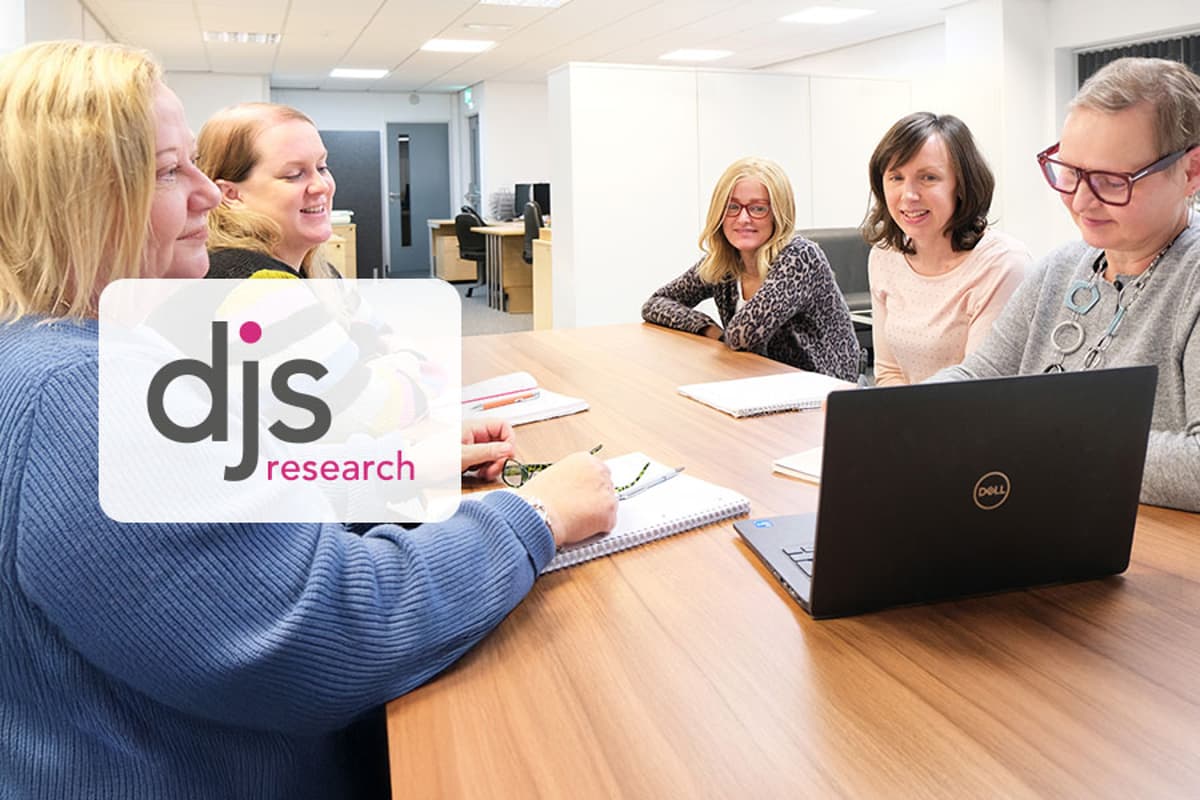
Case Study | DJS Research - Perks, Profit Share, and Peak District Walking Meetings
Why It Matters
Employee ownership aligns staff incentives with company performance, driving higher engagement and retention—a model other firms can replicate to strengthen culture and competitive advantage.
Key Takeaways
- •Employee ownership safeguards DJS Research’s long‑term legacy.
- •Tax‑free bonus and extra festive leave boost morale.
- •“Wellness Wednesdays” and walking meetings foster collaboration.
- •Stakeholding aligns staff incentives with company growth.
- •Outdoor “walk and talk” replaces traditional meeting rooms.
Pulse Analysis
The shift from a family‑owned structure to an employee‑owned model is gaining traction among professional services firms seeking to lock in cultural continuity while rewarding the people who drive growth. DJS Research, a global market‑research provider, completed the transition earlier this year, granting all partners an equity stake. By converting ownership, the company not only protects its legacy but also aligns individual financial interests with corporate performance, a dynamic that research shows can lift employee engagement by double‑digit percentages.
The new ownership model unlocked a suite of people‑first benefits designed to reinforce that alignment. Employees now receive a tax‑free profit‑share bonus and additional festive leave, while “Wellness Wednesdays” grant half‑day time for health activities. Perhaps most visible is the introduction of “walk and talk” sessions in the Peak District, replacing conventional boardrooms with outdoor collaboration. Studies link such movement‑based meetings to higher creativity and lower fatigue, and DJS reports a measurable uptick in cross‑functional project speed since the policy’s rollout.
Beyond DJS, the case illustrates how employee ownership can become a strategic lever for talent attraction in a tight labor market. Offering equity, profit‑share and wellness‑centric policies signals a long‑term commitment to employee wellbeing, which can differentiate a firm in competitive bidding cycles. However, successful implementation requires transparent governance and clear communication of share value. As more mid‑size enterprises explore this route, the industry may see a wave of hybrid ownership structures that blend legacy stability with modern, employee‑driven growth.
Case Study | DJS Research - Perks, profit share, and Peak District walking meetings
Comments
Want to join the conversation?
Loading comments...