Why It Matters
The settlement ends a high‑profile charity sector strike, restoring staff morale and ensuring uninterrupted visitor access, while signaling tighter wage pressures for nonprofit employers.
Key Takeaways
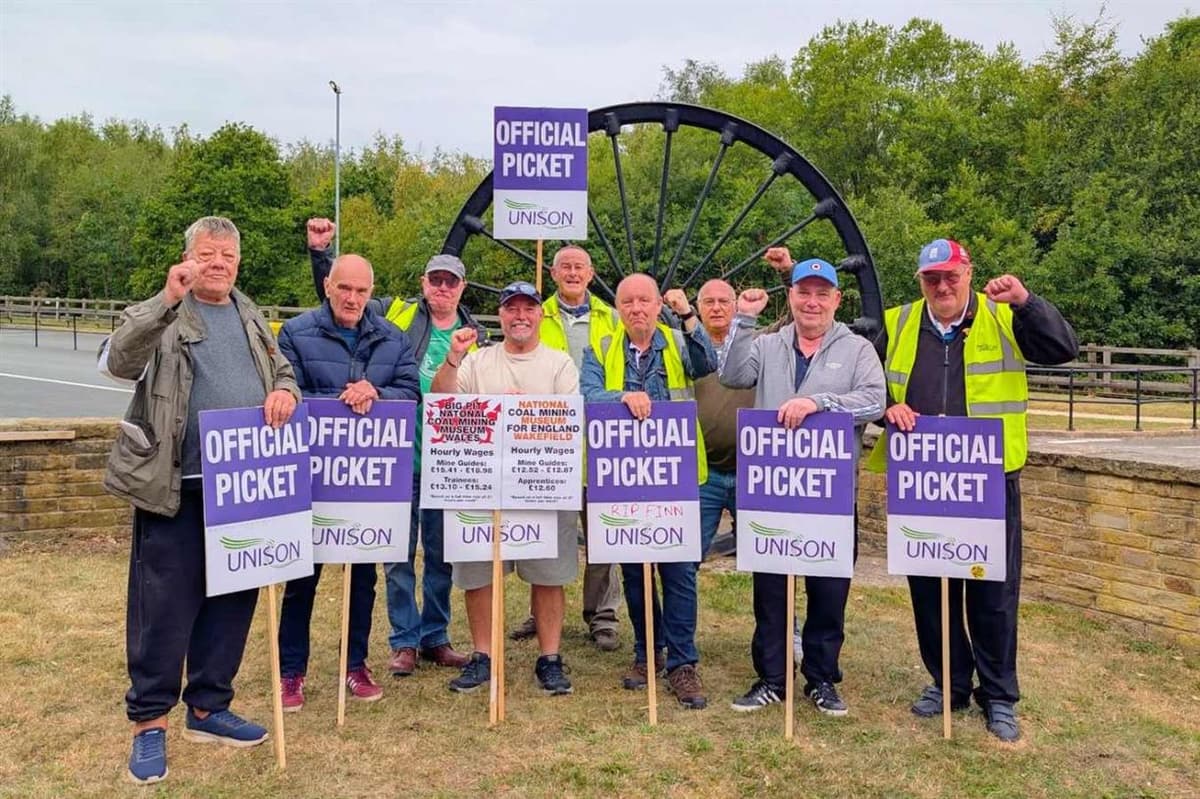
- •40 Unison members ended nine‑month strike at National Coal Mining Museum.
- •Workers receive 10.5% raise, £1.35/hour (~$1.70) increase.
- •New deal eliminates previously proposed disciplinary clauses for strikers.
- •Pay hike brings guide wages to £14.21 (~$18) per hour.
- •Museum expects resumed tours, supporting long‑term financial sustainability.
Pulse Analysis
The National Coal Mining Museum’s nine‑month strike underscores a growing tension between nonprofit employers and frontline staff over compensation. While the charity sector traditionally operates on tight budgets, the 10.5 percent uplift reflects broader inflationary pressures that have forced unions like Unison to push for parity with the private market. Converting the £1.35 hourly increase to roughly $1.70 highlights the real‑world impact on workers whose wages were lagging behind cost‑of‑living rises. This outcome may encourage other cultural institutions to pre‑emptively review pay structures before disputes erupt.
Beyond wages, the removal of disciplinary clauses marks a critical win for employee rights, eliminating a deterrent that could have discouraged future collective action. For the museum, the agreement paves the way to resume underground tours and other visitor experiences that were curtailed during the walkout, protecting a key revenue stream. By keeping the deal within its financial parameters, the charity demonstrates fiscal prudence while investing in staff retention, a balance that is essential for preserving the historic site’s long‑term viability.
Industry observers see the settlement as a potential benchmark for other charities facing similar labor challenges. The public visibility of the dispute, amplified by media coverage, pressures nonprofit boards to adopt transparent negotiation practices and to factor wage growth into strategic planning. As the sector grapples with talent shortages and heightened expectations for fair pay, the NCMM case may catalyze a shift toward more collaborative labor relations, ultimately benefiting both employees and the communities they serve.
Charity workers end nine months of strike action
Comments
Want to join the conversation?
Loading comments...