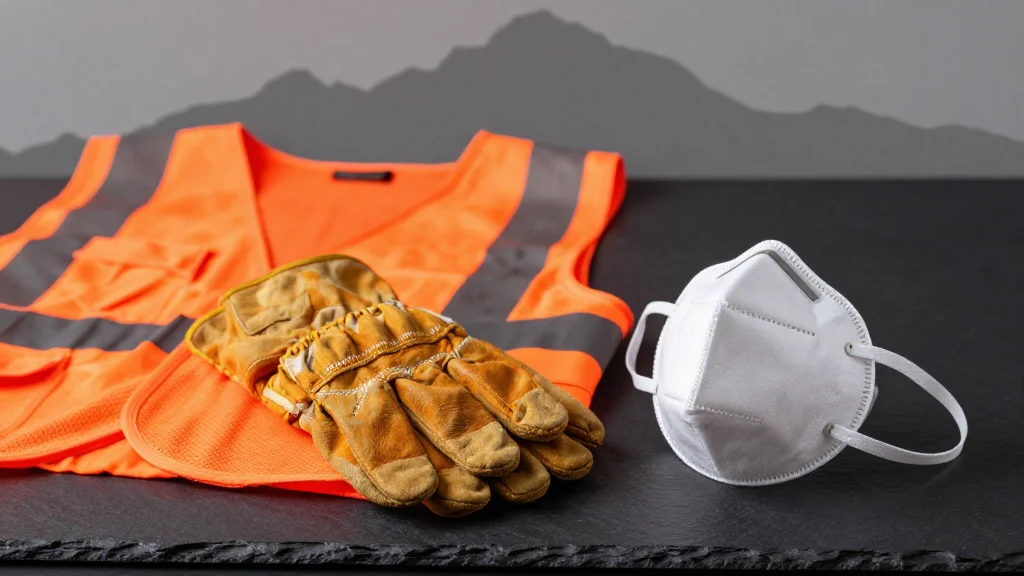
Colorado Bars Employers From Charging Workers for Protective Safety Gear
Why It Matters
The change shifts safety costs to employers, reducing payroll liabilities and improving worker safety compliance, while the restroom provision mitigates labor disputes in the meat‑processing industry.
Key Takeaways
- •PPE cost deductions now illegal for all covered safety gear
- •Everyday clothing and weather gear remain exempt from the ban
- •Large meat processors must allow restroom use during paid time
- •Employers face $100‑$200 fines per employee for violations
Pulse Analysis
Colorado’s new PPE law reflects a growing national trend to place occupational‑safety expenses squarely on the employer’s balance sheet. Historically, many firms passed the price of helmets, gloves, or respirators onto employees through wage deductions, arguing that the gear primarily benefited the worker. By redefining PPE as a non‑negotiable safety investment, Senate Bill 26‑160 eliminates that loophole and aligns Colorado with federal guidance that safety equipment is a core employer responsibility. This shift not only protects workers from hidden costs but also simplifies payroll processing by removing the need for signed deduction agreements that previously shielded employers from liability.
For human‑resources and compliance teams, the legislation triggers immediate operational changes. Companies must inventory all protective gear, classify each item against the law’s definitions, and terminate any existing payroll deductions for qualifying PPE. The policy update also requires clear communication to staff about the new cost structure and the continued exemption for everyday clothing, weather gear, and off‑site safety‑toe shoes. In the meat‑processing sector, the restroom‑access provision adds another compliance layer; firms with 500 or more employees must embed guaranteed restroom breaks into paid‑time policies or face $100‑$200 per‑employee fines. Proactive audits and revised employee handbooks can prevent costly enforcement actions and reinforce a culture of safety.
Beyond Colorado, the bill may serve as a blueprint for other states grappling with similar wage‑deduction disputes. Employers operating in multiple jurisdictions should anticipate comparable reforms and standardize PPE funding across locations to avoid fragmented compliance frameworks. Strategically, businesses can leverage the law as a talent‑attraction tool, highlighting that safety equipment is fully employer‑provided and that basic workplace comforts, like restroom access, are protected by law. By aligning cost structures with employee expectations, firms not only mitigate legal risk but also strengthen their employer brand in a competitive labor market.
Colorado bars employers from charging workers for protective safety gear
Comments
Want to join the conversation?
Loading comments...