Compensation in Flux: Crypto Pay, EU Transparency, and the Latest U.S. State Laws
Why It Matters
The convergence of crypto‑pay uncertainty, EU pay‑gap reporting mandates, and stricter U.S. transparency rules raises compliance risk and operational cost for multinational employers.
Key Takeaways
- •FLSA limits wages to cash; crypto not yet recognized
- •Maryland, Pennsylvania, California require payment in U.S. currency only
- •EU Pay Transparency Directive deadline June 7 2026; only Slovakia complied
- •Employers must ready 2026 pay‑gap data for public reporting
- •Maine and Virginia add salary‑range posting and record‑keeping duties
Pulse Analysis
The allure of cryptocurrency in payroll stems from its speed and low transaction costs, especially for globally dispersed tech teams. Stablecoins can settle in minutes, offering a modern twist on cross‑border compensation, while Bitcoin and Ethereum promise a high‑tech employer brand. Yet the Fair Labor Standards Act still mandates payment in "cash or negotiable instrument payable at par," a standard traditionally interpreted as fiat currency. State statutes in Maryland, Pennsylvania and California echo this requirement, and the IRS treats digital assets as property, creating complex tax reporting and volatility risks that can trigger minimum‑wage violations if crypto values dip.
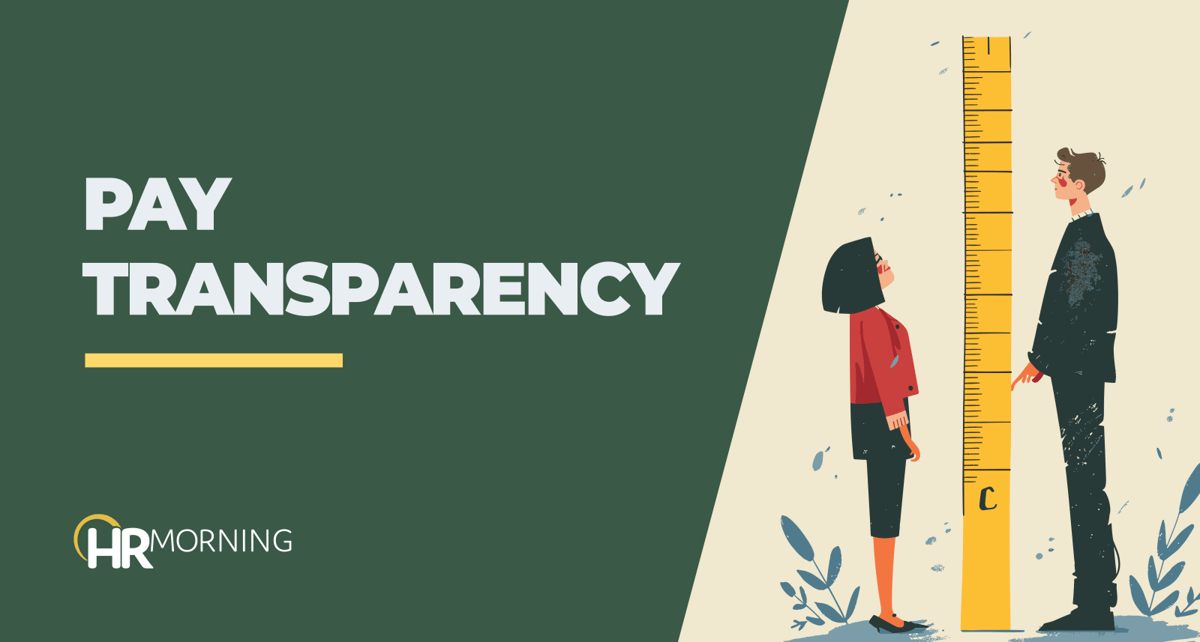
Across the Atlantic, the EU Pay Transparency Directive represents the most ambitious pay‑equity legislation since the 1960s, obligating employers to disclose gender‑disaggregated pay data, ban salary‑history inquiries, and justify any gender pay gap over five percent. The transposition deadline of June 7 2026 looms, but implementation is uneven: Slovakia has enacted the rules, while Germany, Denmark and Finland are still drafting, and nations like Sweden plan to renegotiate. For companies operating in Europe, the 2026 compensation cycle is critical; the first mandatory pay‑gap reports for firms with 250+ employees will lock in data that could trigger audits, fines, or mandatory equal‑pay audits if gaps remain unaddressed.
In the United States, Maine and Virginia are the latest states to tighten pay‑transparency requirements, each with distinct twists. Virginia applies to all employers, bans salary‑history inquiries, and grants a private right of action for posting violations, while Maine sets a 10‑employee threshold and mandates that employers disclose an employee’s current pay range on request and retain detailed pay records for three years. These provisions push pay transparency beyond a simple job‑ad checkbox, demanding integrated HRIS capabilities, robust salary‑band design, and ongoing compliance monitoring. Multistate organizations must now treat transparency as an operational discipline that intersects recruiting, compensation strategy, and data governance to avoid costly penalties and reputational damage.
Compensation in Flux: Crypto Pay, EU Transparency, and the Latest U.S. State Laws
Comments
Want to join the conversation?
Loading comments...