Despite Headlines, ‘Peanut Butter’ Pay Raises Remain Rare: Mercer
Companies Mentioned
Why It Matters
The data shows that most organizations still tie raises to performance and market data, limiting the risk of demotivating top talent and signaling that compensation strategy remains a key lever for talent retention.
Key Takeaways
- •Merit raises averaged 3.1% in 2026, slightly below forecasts.
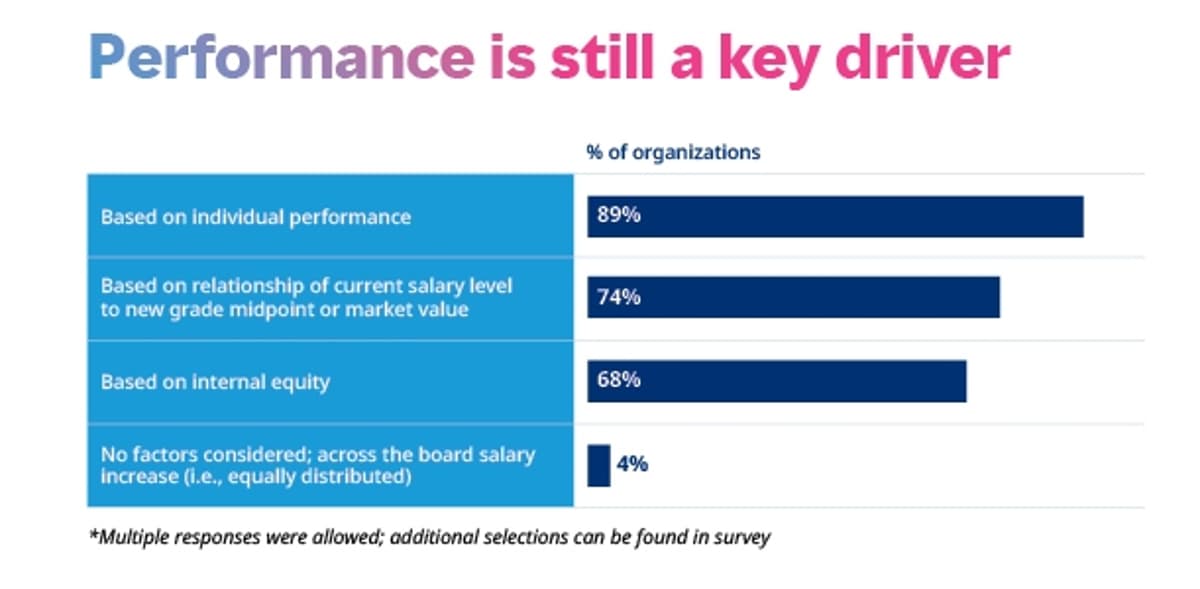
- •Only 4% of firms used equal “peanut butter” raises.
- •Tech sector delivered 3.2% merit, 3.6% total increases.
- •60% of companies plan 2.6% salary‑structure adjustments.
- •Faster grade progression may cause future pay compression.
Pulse Analysis
The latest QuickPulse US Compensation Planning Survey from Mercer shows that U.S. employers delivered a mean merit increase of 3.1% in the spring of 2026, just shy of the 3.2% projection made in October 2025. When all pay adjustments are considered, total compensation grew by 3.4%, also a tenth of a point below expectations. The modest gap suggests that while budgetary discipline remains, firms are still honoring most of their promised raise levels, a reassuring sign for workers still wary after years of volatile inflation.
Contrary to the sensational headlines about a ‘peanut butter’ approach—where raise budgets are spread evenly regardless of performance—Mercer found only 4% of surveyed employers actually applied equal increases. The overwhelming majority continue to blend performance ratings, market benchmarks, and peer comparisons when setting raises. WTW’s Rewards Data Intelligence practice reported a similar shift last summer, noting that companies are favoring higher starting salaries and targeted retention bonuses over flat across‑the‑board hikes. This signals that talent acquisition and retention, rather than blanket generosity, remain the primary drivers of compensation strategy.
Industry‑specific data reveal modest but notable differences. Tech firms posted the highest total increase at 3.6%, while chemicals, manufacturing, retail and wholesale hovered around 2.9‑3.1%. Healthcare services, traditionally a laggard, rose to 3.0% merit and 3.3% total, indicating a competitive push. Meanwhile, just under 60% of respondents plan to adjust salary structures by an average of 2.6%, a pace slower than merit growth and a potential source of pay compression as employees climb grades faster than bands expand. HR leaders should monitor these dynamics to pre‑empt morale and retention challenges.
Despite headlines, ‘peanut butter’ pay raises remain rare: Mercer
Comments
Want to join the conversation?
Loading comments...