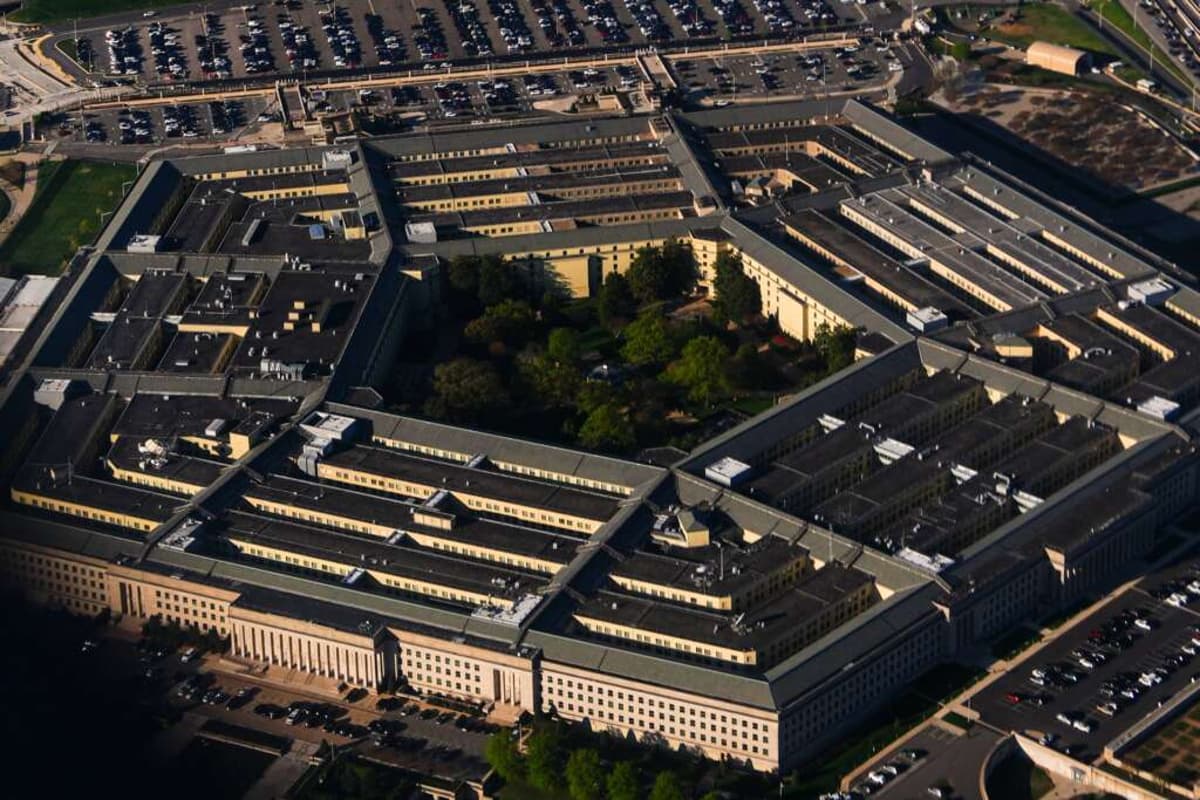
DoD Moves to End Most Collective Bargaining Agreements
Why It Matters
Eliminating collective bargaining rights could reshape labor relations across the defense sector, affecting morale, retention and the ability of unions to advocate for workers. The policy also raises legal questions about federal employees’ First Amendment rights and may trigger costly litigation.
Key Takeaways
- •DoD will end most collective bargaining agreements within 24 hours
- •Orders stem from Trump-era executive orders 14251 and 14343
- •Only limited employee categories receive exceptions
- •AFGE vows legal challenges against the terminations
- •Move follows similar actions at VA, EPA, USCIS, FEMA
Pulse Analysis
The Pentagon’s abrupt directive to end most collective bargaining agreements is rooted in two Trump‑era executive orders—14251 and 14343—that framed union contracts as potential impediments to national security. Signed in 2025, those orders gave agencies a blanket authority to suspend or modify bargaining arrangements that the administration deemed inconsistent with mission readiness. Defense Secretary Pete Hegseth’s April 9 memo translates that authority into a 24‑hour shutdown timetable, with only narrowly defined exceptions for critical‑skill personnel. By invoking the same legal rationale used by the VA and EPA, the DoD signals a coordinated federal push to curtail union influence.
For the roughly 300,000 civilian employees covered by the American Federation of Government Employees, the decision threatens decades‑long labor protections and could destabilize recruitment and retention in a sector already grappling with talent shortages. AFGE President Everett Kelley has warned that the move infringes on First Amendment rights, and the union is preparing litigation that could reach the federal courts. Past challenges to similar executive actions have produced mixed outcomes, but the involvement of the Office of Personnel Management in urging compliance adds a layer of administrative pressure that may limit judicial relief.
The DoD’s action may reshape the broader landscape of federal labor relations, prompting other agencies to follow suit or, conversely, to reassess the political cost of alienating a powerful public‑sector union. Congressional oversight committees are likely to scrutinize the national‑security justification, especially as lawmakers weigh the impact on workforce morale against perceived efficiency gains. In the long run, the episode could set a precedent for how future administrations balance security imperatives with statutory labor rights, making the coming legal battles a bellwether for federal‑employee collective bargaining.
DoD moves to end most collective bargaining agreements
Comments
Want to join the conversation?
Loading comments...