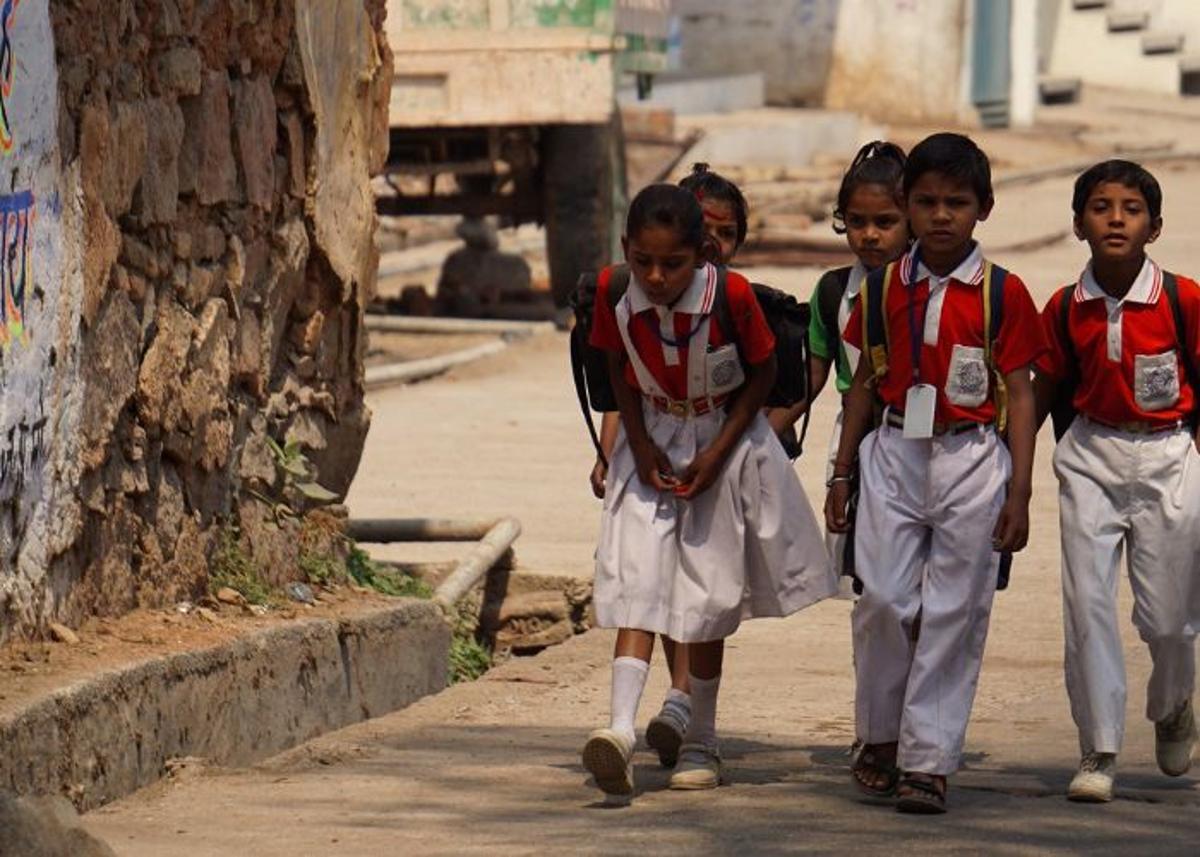
Educational Support Reform for Children of Unorganised Workers
•February 24, 2026
0
Why It Matters
Allowing dual scholarship eligibility broadens educational opportunities for vulnerable worker families, directly enhancing human capital and future earnings. It also aligns India’s labour welfare policies with inclusive social‑security goals.
Key Takeaways
- •Reform lifts restriction on dual scholarship eligibility
- •Welfare scheme covers Beedi, Cine, and non‑coal mine workers
- •Around 100,000 students currently receive financial aid annually
- •Policy aims to lower dropout rates among vulnerable families
- •Combines need‑based aid with merit‑based scholarships
Pulse Analysis
The Ministry of Labour & Employment’s latest amendment to the Code on Social Security, 2020 marks a pivotal shift in India’s approach to labour‑related education support. Since its inception, the welfare scheme has targeted children of Beedi, Cine and non‑coal mining workers, providing need‑based cash assistance that offsets tuition, books and transport costs. With an annual beneficiary base of about one lakh students, the program has become a lifeline for families operating in the informal sector, where irregular incomes often force children out of school.
By eliminating the rule that barred welfare recipients from applying for merit‑based scholarships, the government removes a structural barrier that previously penalised high‑performing students from low‑income households. This dual‑aid model encourages academic excellence while safeguarding basic educational expenses, a combination shown to lower dropout rates and increase tertiary enrollment in comparable economies. Moreover, the expanded financial safety net can translate into higher future earnings for beneficiaries, reinforcing the skill pipeline that underpins India’s manufacturing and services growth. Early evidence suggests that even modest scholarship overlaps boost school attendance by several percentage points.
The reform aligns with the broader social‑security agenda embedded in India’s labour codes, signaling a commitment to inclusive growth and equitable access to education. Policymakers anticipate that the increased enrolment will generate a multiplier effect, feeding a more skilled workforce into emerging sectors such as renewable energy and digital services. As state and central agencies monitor uptake, the model could be replicated for other vulnerable groups, extending the reach of both need‑based and merit‑based assistance. Ultimately, the initiative strengthens the social contract between the state, informal workers and the nation’s economic future.
Educational support reform for children of unorganised workers
0
Comments
Want to join the conversation?
Loading comments...