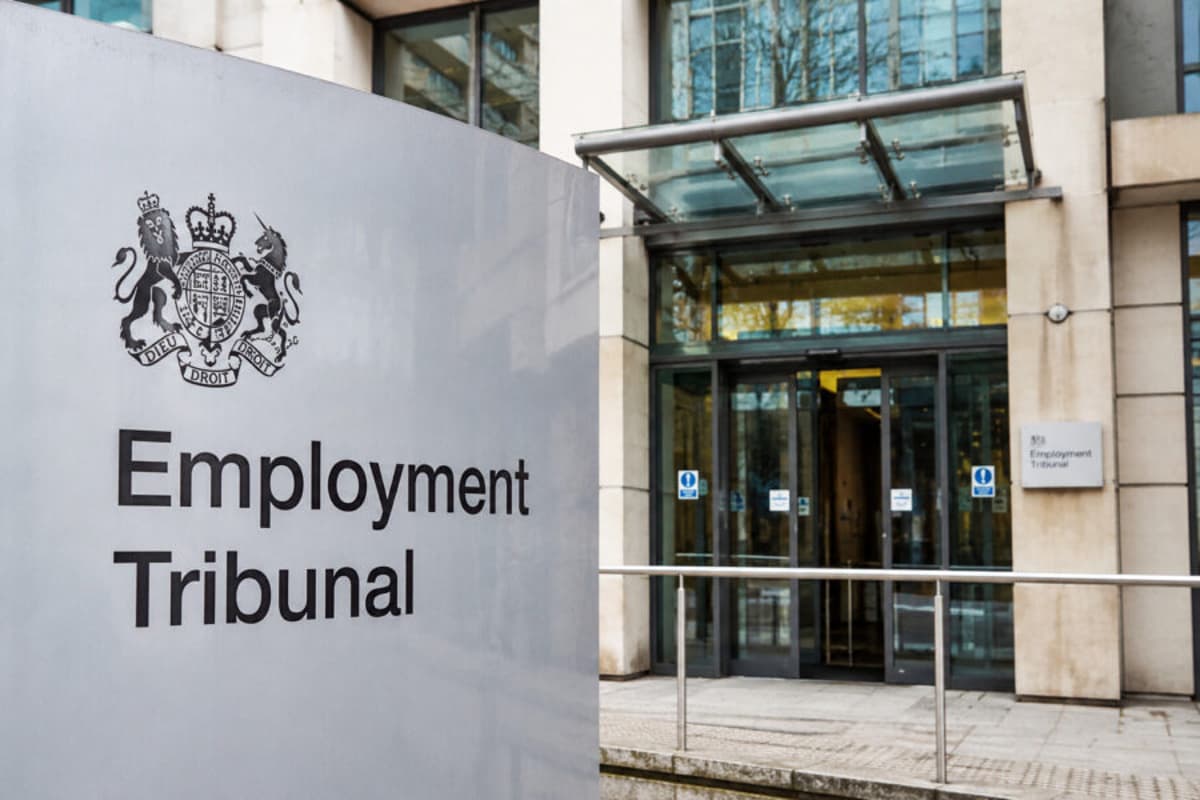
Employment Tribunal Delays Stretch Towards 2030 as Lawyers Warn System Is Nearing Collapse
Why It Matters
Extended tribunal timelines erode legal certainty for employers and deny timely redress for workers, threatening the credibility of UK employment law.
Key Takeaways
- •Tribunal backlog exceeds 65,000 cases, some hearings set for 2030.
- •Labour's Employment Rights Act could add ~7,000 new claims yearly.
- •Delays push employers to adopt tougher stances in disputes.
- •Low‑income workers face greatest risk of denied justice.
Pulse Analysis
The UK employment tribunal system is now confronting an unprecedented backlog, with more than 65,000 pending cases at the close of 2023. Shortages of judges, clerical staff and physical capacity have forced hearings to be scheduled years in advance, and in extreme instances, cases are penciled in as far out as 2030. The backlog surged after the 2017 abolition of tribunal fees, which removed a financial barrier and triggered a wave of new claims. Recent data from the Bureau of Investigative Journalism confirms that the strain has only deepened as workplace disputes multiply.
For employers, the protracted timeline erodes the deterrent effect of tribunals, prompting many to adopt a more aggressive posture in managing disgruntled staff, knowing judicial review may not arrive for years. Employees, especially those on low incomes, face mounting financial and emotional costs, often abandoning claims or accepting reduced settlements. The delay also jeopardizes the effectiveness of the Labour government’s Employment Rights Act reforms, which are projected to generate an additional 7,000 cases each year, potentially amplifying the crisis. Trade unions and charities warn that prolonged waits exacerbate mental‑health strain and erode confidence in the rule of law.
The Ministry of Justice has signaled intent to boost judicial capacity, but experts argue that incremental measures will fall short without a comprehensive overhaul. Options under discussion include appointing additional judges, digitising case management, and reinstating modest filing fees to curb frivolous claims. Businesses should monitor legislative timelines and prepare contingency plans, such as early settlement frameworks, to mitigate uncertainty. Without decisive investment, the tribunal system risks a functional collapse that could reshape employer‑employee dynamics across the UK economy.
Employment tribunal delays stretch towards 2030 as lawyers warn system is nearing collapse
Comments
Want to join the conversation?
Loading comments...