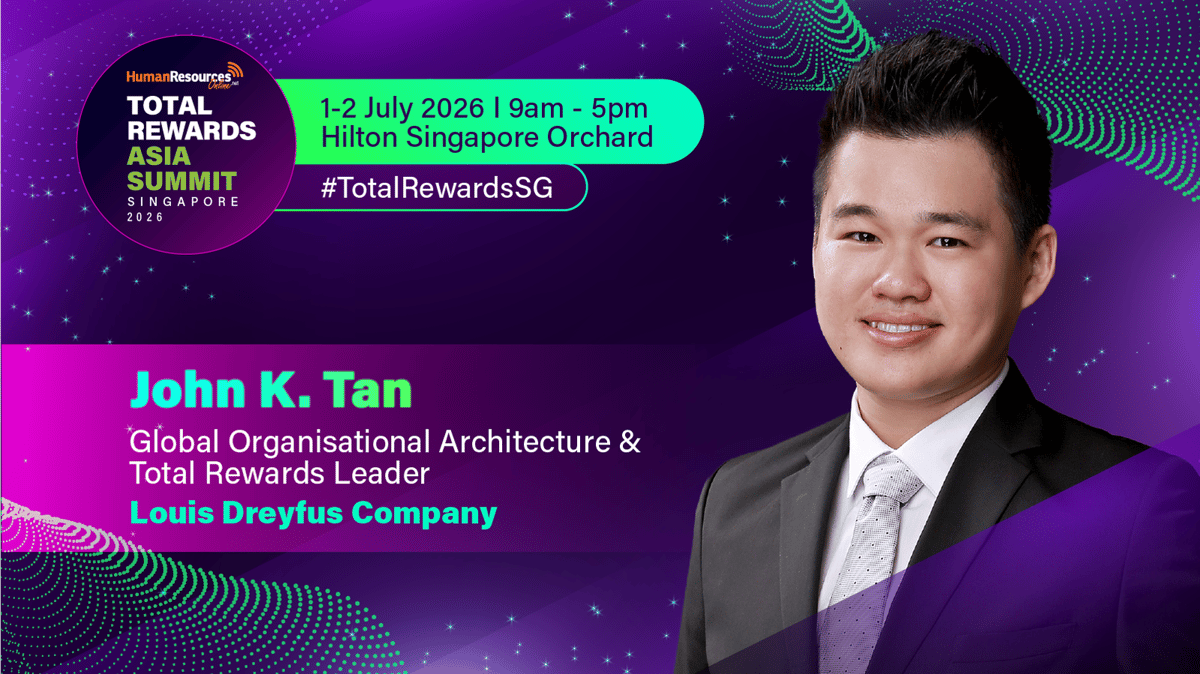
Faces of HR: John K. Tan on the 3 Principles Every Total Rewards Leader Needs – Procedural Justice, Planning & Communication
Companies Mentioned
Why It Matters
Embedding fairness, clear rollout plans, and open dialogue transforms compensation from a cost center into a strategic driver of engagement and credibility, a shift critical for companies navigating AI‑driven skill changes.
Key Takeaways
- •Procedural justice ensures fair reward decisions and boosts employee trust.
- •Well‑planned implementation reduces rollout risk and accelerates ROI.
- •Transparent communication clarifies the ‘why’, driving engagement and credibility.
- •AI‑enabled skills architecture links pay to evolving job competencies.
- •Global HRIS deployment in six months showcases rapid digital transformation.
Pulse Analysis
Total Rewards is evolving from a static compensation checklist to a strategic platform that balances cost, performance, and employee value. Leaders like John K. Tan argue that procedural justice—ensuring decisions are made fairly and consistently—forms the foundation of this shift. When employees perceive reward processes as equitable, trust rises, leading to higher engagement and reduced turnover. This fairness mindset aligns with broader governance trends, where organizations are held accountable for transparent decision‑making across all HR functions.
Artificial intelligence is accelerating the move toward skills‑informed compensation. By mapping job architectures to real‑time skill data, AI can recommend pay adjustments that reflect market dynamics and internal talent development pathways. Tan’s focus on AI‑enabled skills architecture demonstrates how technology can make reward systems both defensible and scalable, turning compensation into a lever for career progression rather than a mere paycheck. Coupled with strong governance, these tools help firms anticipate future skill needs and align rewards with strategic objectives.
For HR practitioners, the practical takeaway is clear: combine robust procedural frameworks with rapid digital execution. Tan’s six‑month global HRIS rollout illustrates that swift, stakeholder‑driven implementations can unlock data‑rich insights, streamline processes, and support AI initiatives. As the Total Rewards Asia Summit 2026 approaches, leaders will seek actionable strategies to embed fairness, plan meticulously, and communicate transparently—ensuring that compensation evolves in lockstep with the AI‑driven future of work.
Faces of HR: John K. Tan on the 3 principles every Total Rewards leader needs – procedural justice, planning & communication
Comments
Want to join the conversation?
Loading comments...