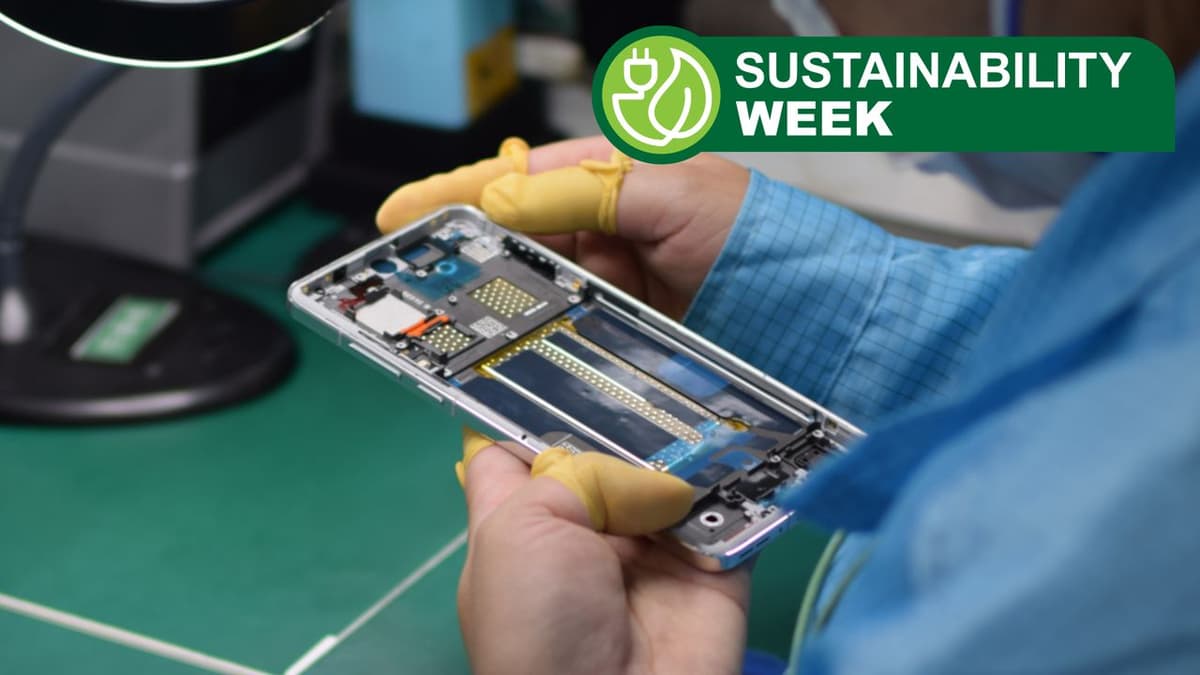
Fairphone CEO Says There Is ‘No Financial Excuse’ for Smartphone Manufacturers to Pay Their Workers Less than a Living Wage, as the Sustainable Electronics Manufacturer Shares Its 2025 Impact Report

Companies Mentioned
Why It Matters
Ensuring living wages can improve worker wellbeing and reduce supply‑chain risk, while aligning with emerging EU regulations that demand more sustainable, durable devices. The stance pressures major brands to adopt higher labor standards without sacrificing profitability.
Key Takeaways
- •Fairphone adds $1 living‑wage bonus per smartphone, ~0.5% retail price.
- •Industry wage gaps persist; many workers earn below living wage in China.
- •EU ecodesign rules push longer device lifespans and replaceable batteries.
- •Fairphone urges design for longevity, systemic restoration, integrated impact KPIs.
- •Living‑wage argument presented as no financial excuse for larger manufacturers.
Pulse Analysis
Fairphone’s 2025 Impact Report puts a concrete number on the living‑wage debate, showing that a $1 bonus per handset represents less than one percent of a typical smartphone’s retail price. By quantifying the cost, the company reframes the issue from a moral imperative to a financially negligible adjustment, challenging competitors to close the wage gap that persists in major manufacturing hubs such as China’s Zhengzhou region and emerging Indian plants. The report also cites research confirming that legal minimums often fall far short of a true living wage, underscoring a systemic risk to worker health and supply‑chain stability.
The timing of Fairphone’s call to action aligns with sweeping EU ecodesign and due‑diligence legislation that will soon force all smartphones sold in Europe to feature replaceable batteries and at least seven years of spare‑part availability. These rules shift the industry focus from planned obsolescence toward product longevity, creating a regulatory floor that incentivizes modular, repairable designs. For manufacturers, compliance offers a pathway to differentiate on sustainability while avoiding penalties, and it dovetails with consumer demand for greener electronics that can be kept in service longer.
Beyond compliance, Fairphone proposes a three‑pronged strategy: design for longevity, systemic restoration of supply‑chain communities, and embedding social‑environmental KPIs into core business metrics. If adopted, this approach could reshape profit models, linking financial performance directly to worker welfare and ecological impact. Investors are increasingly scrutinizing ESG credentials, and brands that demonstrate tangible living‑wage practices may attract premium capital and customer loyalty. Ultimately, the industry faces a choice: treat living wages as an optional goodwill gesture or recognize them as a baseline cost that safeguards both people and profits in a rapidly evolving market.
Fairphone CEO says there is ‘no financial excuse’ for smartphone manufacturers to pay their workers less than a living wage, as the sustainable electronics manufacturer shares its 2025 Impact Report
Comments
Want to join the conversation?
Loading comments...