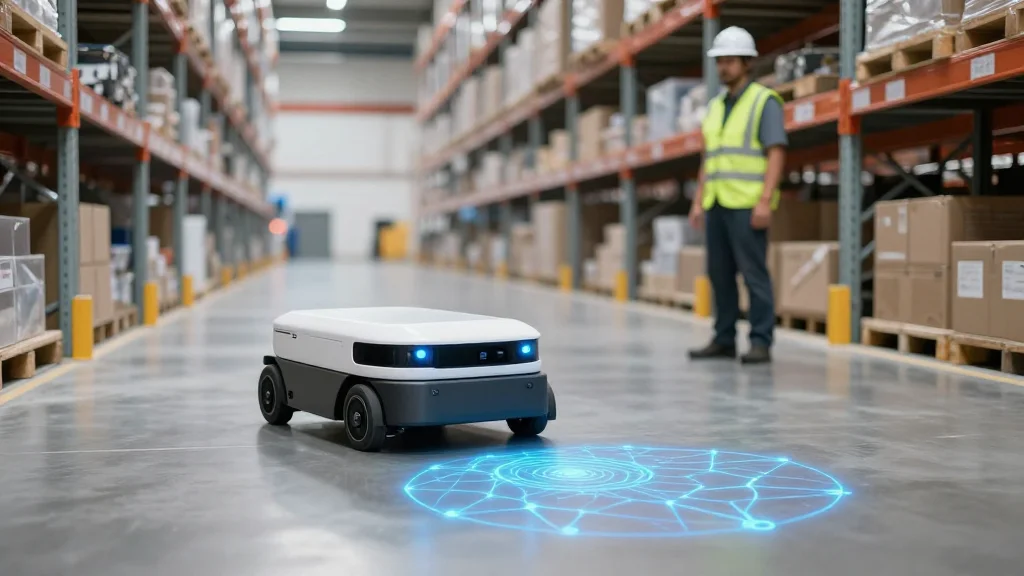
Gartner Warns AI-Driven Hiring Freeze Could Backfire by 2030
Why It Matters
The hiring freeze risks higher labor costs and skill gaps, undermining firms' ability to leverage AI effectively and maintain competitive supply‑chain operations.
Key Takeaways
- •75% of firms pausing entry‑level hires will pay >15% premium by 2030
- •55% of supply‑chain leaders expect hiring declines due to agentic AI
- •AI projects cost average $24 million in 2025, many exceed budgets
- •Companies that train early‑career talent see better senior‑level strategic capacity
Pulse Analysis
Gartner’s latest warning highlights a growing paradox in supply‑chain management: while AI promises efficiency gains, many organizations are reacting by freezing entry‑level hiring. The rationale is understandable—companies are uncertain how generative and agentic AI will reshape job functions and fear over‑staffing in roles that could be automated. However, Gartner’s analysis of 509 supply‑chain leaders shows that 55% already anticipate a decline in early‑career recruitment, and 75% of those who pause hiring now are projected to pay more than a 15% wage premium for the same talent by 2030. This short‑term cost‑avoidance strategy may therefore backfire, inflating future labor expenses and creating skill shortages.
The financial implications extend beyond wages. Average AI project spend in the sector reached $24 million in 2025, with many initiatives exceeding budgets and delivering results only after a year or more. As AI tools become more sophisticated, the demand for workers who can blend technical fluency with business acumen—so‑called AI‑native talent—will intensify. Companies that neglect to develop this talent pipeline risk relying on external hires at premium rates, while also facing reduced employee satisfaction and higher turnover among existing staff who see limited growth opportunities.
Gartner recommends a shift from reactive labor cuts to proactive workforce planning. Chief supply‑chain officers should align AI roadmaps with talent development programs, invest in mentorship, hands‑on learning, and flexible benefits that appeal to Gen Z expectations. By fostering a culture that values continuous upskilling, firms can ensure senior leaders focus on strategic AI integration rather than firefighting talent gaps. This balanced approach not only mitigates future cost spikes but also positions organizations to capture the full productivity upside of AI across the supply chain.
Gartner Warns AI-Driven Hiring Freeze Could Backfire by 2030
Comments
Want to join the conversation?
Loading comments...