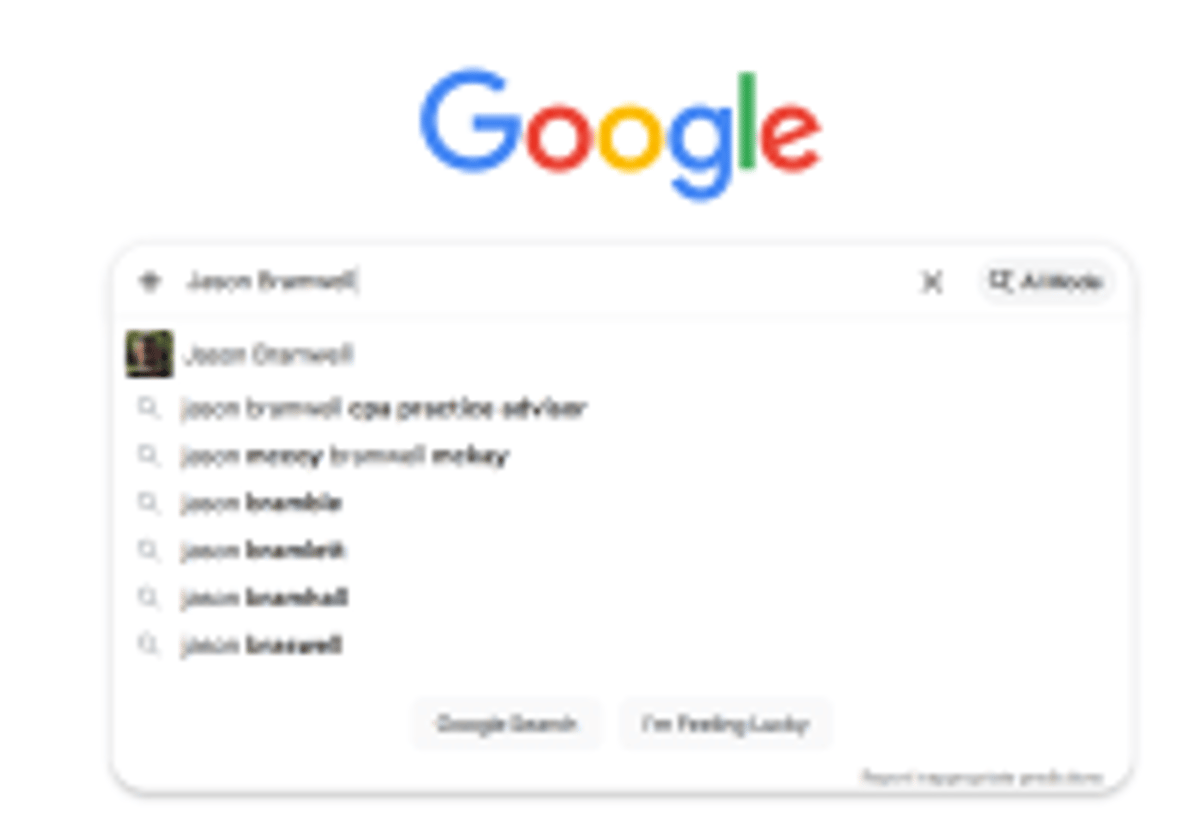
Google Yourself Before Applying: Expert Reveals What Recruiters Really Find
Why It Matters
Digital consistency directly influences hiring decisions, allowing recruiters to quickly validate credibility and attention to detail. Candidates who present a coherent online brand are far more likely to advance in competitive job markets.
Key Takeaways
- •Recruiters Google applicants and scan the first three pages of results
- •Mismatched titles or outdated bios trigger immediate doubts
- •Abandoned side projects appear as digital ghosts of unreliability
- •Quarterly audits and synchronized updates keep professional profiles aligned
Pulse Analysis
Recruiters have turned to search engines as a first‑line vetting tool, treating a candidate’s online footprint like a background check. Within seconds of opening a résumé, hiring managers type the applicant’s name into Google, scanning LinkedIn, personal sites, and even cached pages. This practice reflects a broader shift toward data‑driven hiring, where digital signals supplement traditional credentials and help narrow large applicant pools efficiently.
Inconsistencies across platforms act as low‑effort rejection triggers. A resume that lists a senior title while a company bio still shows a junior role, or a LinkedIn profile that claims current employment at a firm the candidate left months ago, signals poor attention to detail. Even dormant side projects or controversial old social‑media posts can be interpreted as dishonesty or lack of persistence. Such red flags erode trust, prompting recruiters to favor candidates whose online narratives are clean, current, and consistent.
To mitigate these risks, experts advise a disciplined digital‑presence regimen. Conduct quarterly self‑searches, document the first ten results, and update every professional profile simultaneously when roles change. Remove or archive abandoned websites, and align dates, titles, and company names across LinkedIn, personal portfolios, and speaker bios. By curating a cohesive “first‑page” story, candidates not only avoid easy disqualification but also reinforce their brand, making them more attractive in a market where perception often outweighs pure qualifications.
Google Yourself Before Applying: Expert Reveals What Recruiters Really Find
Comments
Want to join the conversation?
Loading comments...