Helping Women Progress in Their Professional Careers
Why It Matters
Closing gender gaps boosts economic productivity and aligns Indonesia with global equity standards, making inclusive workplaces a competitive advantage.
Key Takeaways
- •Patriarchal norms hinder Indonesian women's career advancement.
- •Male leaders urged to actively dismantle discriminatory policies.
- •Equality needed across white- and blue-collar sectors.
- •Labeling advocacy as “woke” stifles progress.
- •Legal frameworks exist but cultural bias persists.
Pulse Analysis
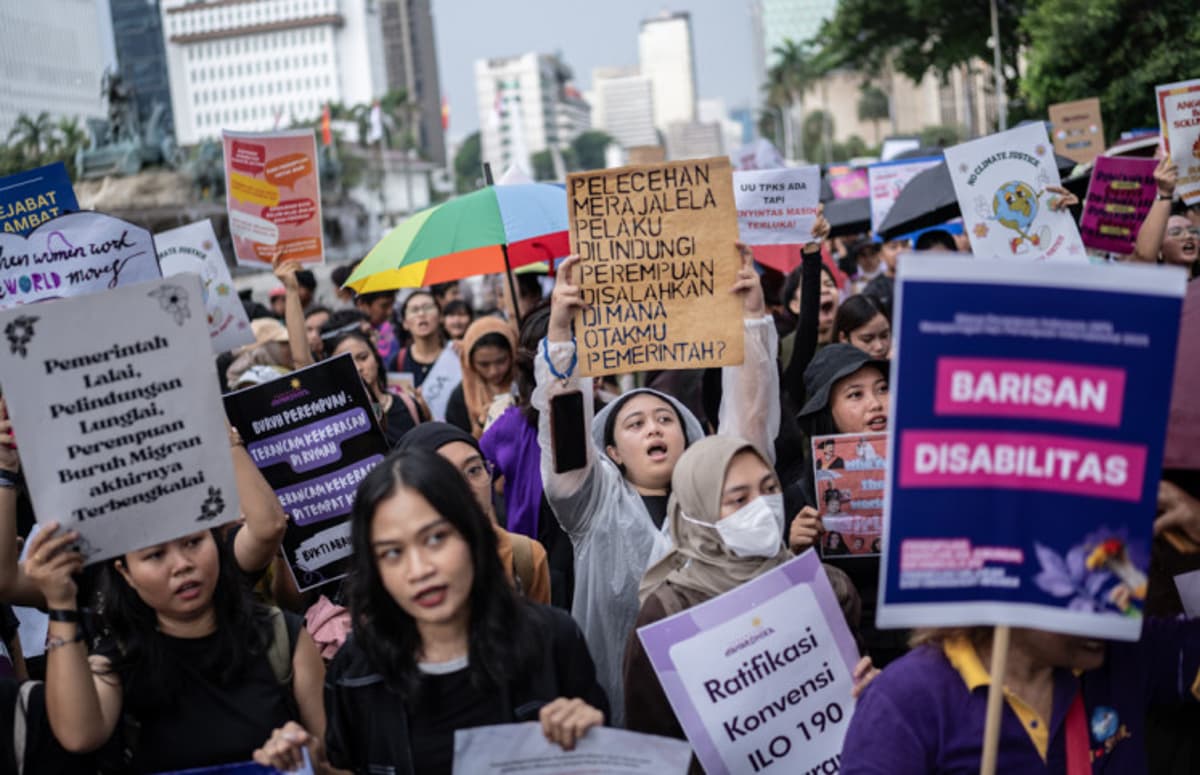
Indonesia’s rapid economic growth masks a persistent gender divide that limits women’s participation in both formal and informal labor markets. While the constitution guarantees equal rights, deep‑rooted cultural preferences for sons and expectations that women prioritize family over career continue to shape hiring, promotion, and compensation practices. Recent protests, such as the Indonesian Women’s Alliance march in Jakarta, underscore a rising public demand for labor rights and gender‑sensitive legislation, yet many companies still rely on outdated patriarchal norms that impede talent development.
The editorial emphasizes that men—especially those in senior or decision‑making roles—must shift from symbolic support to concrete policy action. This includes revising recruitment criteria, instituting transparent pay structures, and providing mentorship programs that address the unique challenges faced by female employees across sectors, from banking to street vending. By reframing gender equity as a strategic business imperative rather than a charitable add‑on, organizations can attract diverse talent, reduce turnover, and foster innovation. Companies that champion inclusive cultures also mitigate reputational risks associated with accusations of discrimination or “woke” labeling.
Economically, narrowing the gender gap could add billions to Indonesia’s GDP, as studies show that each percentage point increase in female labor force participation yields measurable productivity gains. Moreover, inclusive workplaces enhance resilience, improve decision‑making, and align the nation with international ESG standards, attracting foreign investment. For policymakers and business leaders, the call to action is clear: translate gratitude into structural reforms, enforce anti‑bias regulations, and cultivate an environment where every woman—whether a manager or a market vendor—can thrive professionally.
Helping women progress in their professional careers
Comments
Want to join the conversation?
Loading comments...