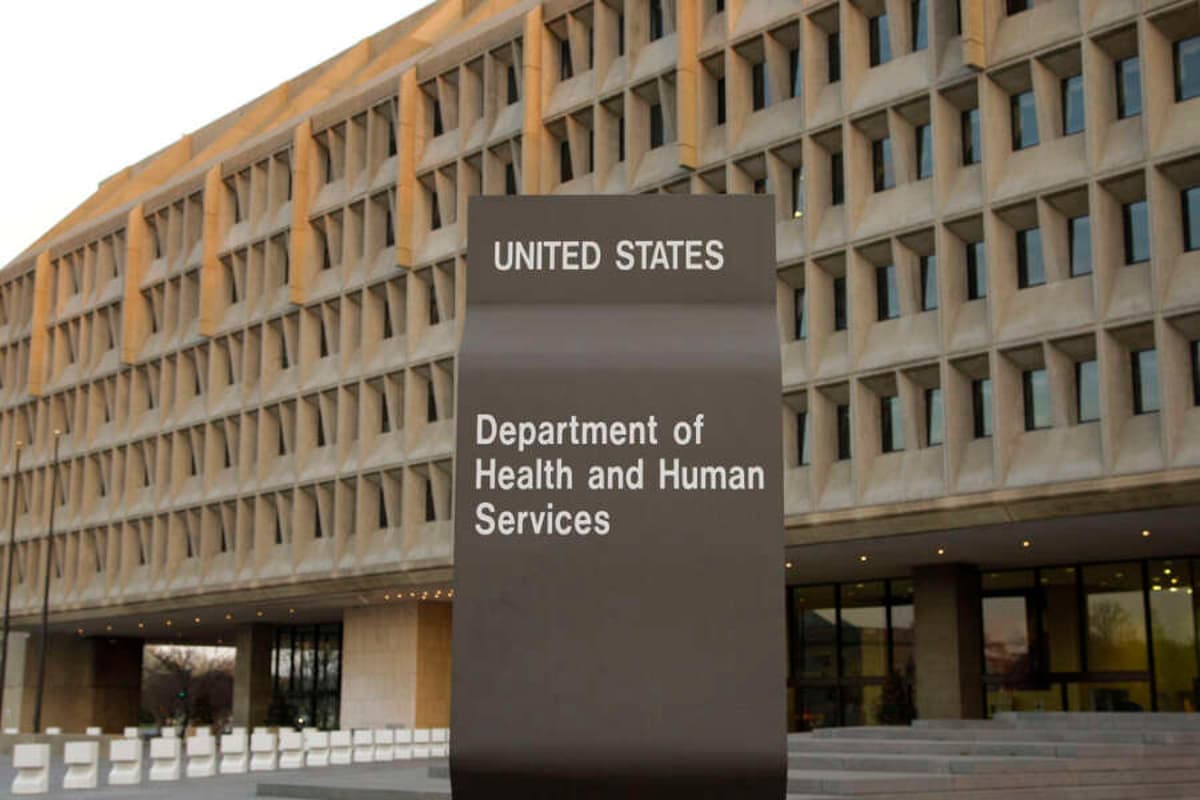
HHS Seeks Employee Reassignments to Tackle Months-Long Reasonable Accommodation Backlog
Why It Matters
The delay in processing accommodations threatens employee productivity, exposes HHS to legal risk, and undermines its commitment to an inclusive federal workforce. Accelerating case resolution is essential for operational efficiency and morale across the department.
Key Takeaways
- •HHS backlog exceeds 9,000 accommodation requests.
- •CDC accounts for one‑third of backlog, ~3,000 cases.
- •HHS seeks GS‑12/13 staff for 90‑120 day detail assignments.
- •Interim telework restored at CDC to alleviate delays.
- •Clearing backlog may take 6‑9 months for CDC, longer overall.
Pulse Analysis
The Department of Health and Human Services (HHS) is confronting a mounting backlog of more than 9,000 reasonable accommodation requests from employees with disabilities. Under the Rehabilitation Act and the federal Equal Employment Opportunity framework, agencies must provide timely, individualized accommodations, yet HHS’s centralized review process has stretched resources thin. The delay not only hampers affected workers but also exposes the department to legal risk and morale challenges. With the Centers for Disease Control and Prevention (CDC) alone responsible for roughly a third of the cases, the pressure to act is acute.
Last year HHS shifted all accommodation approvals to senior officials at the assistant‑secretary level, a move intended to standardize decisions but which inadvertently created a bottleneck. The agency also rescinded telework as a default accommodation to comply with the previous administration’s return‑to‑office mandate, further limiting interim solutions. In response, HHS is now soliciting nominations for GS‑12 and GS‑13 employees to fill 90‑ to 120‑day detail assignments, providing them with targeted training to accelerate case processing while maintaining compliance standards.
The temporary reassignment strategy signals a pragmatic attempt to restore capacity without permanent staffing increases. Restoring CDC’s authority to grant telework as an interim accommodation offers a quick relief path, reducing the backlog’s impact on service delivery and employee well‑being. Analysts anticipate that even with the new detail teams, fully clearing the 9,000‑case backlog could extend beyond a year, prompting calls for longer‑term reforms such as decentralized review panels and clearer telework guidelines. Successful resolution will bolster HHS’s reputation for inclusive workplace practices and mitigate potential litigation.
HHS seeks employee reassignments to tackle months-long reasonable accommodation backlog
Comments
Want to join the conversation?
Loading comments...