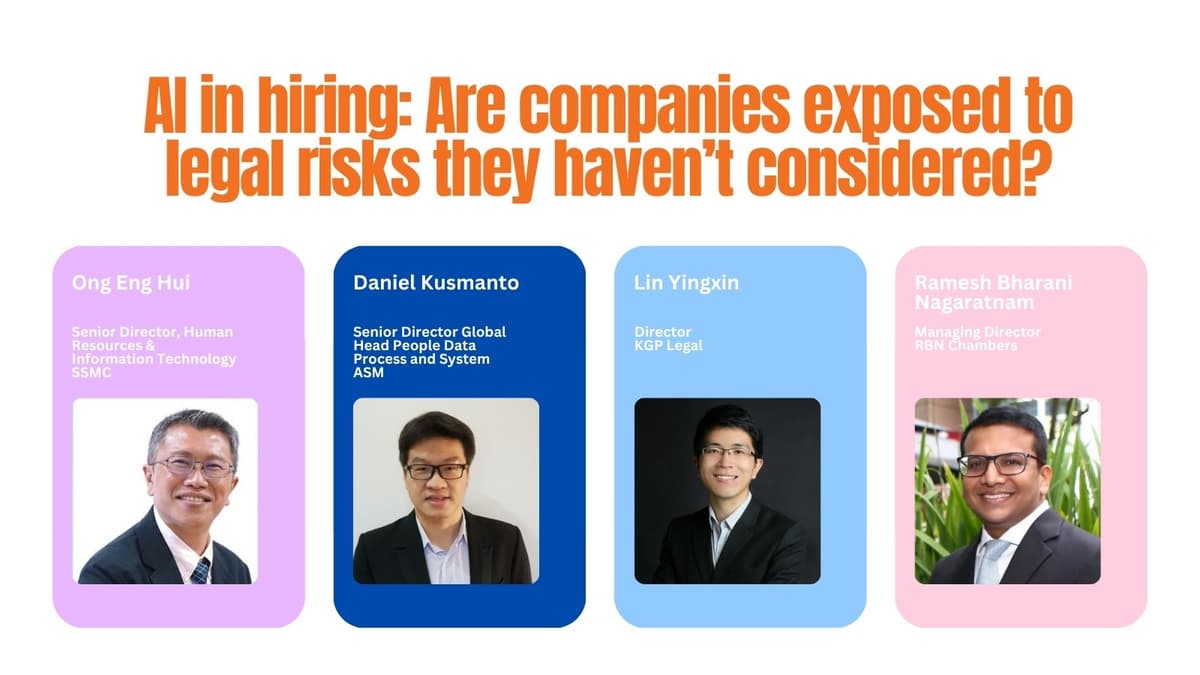
Hiring with AI: What Happens when the Algorithm Gets It Wrong?
Why It Matters
AI can dramatically improve hiring efficiency, but unchecked algorithms expose firms to discrimination lawsuits, regulatory penalties, and reputational harm, making responsible implementation a business imperative.
Key Takeaways
- •AI can cut time-to-hire by ~20% and screen 100% of applicants
- •Legal risk persists; employers remain liable for AI-driven discrimination
- •Human‑in‑the‑loop audits are essential to ensure fairness
- •Governance frameworks like EU AI Act guide responsible AI use
- •Transparent candidate disclosure mitigates reputational damage
Pulse Analysis
The recruitment market is undergoing a digital transformation as AI‑powered platforms promise to streamline high‑volume tasks that once bogged down HR teams. By automating résumé parsing, skill matching, and interview coordination, companies can accelerate candidate pipelines and free recruiters to focus on relationship‑building and strategic talent planning. Early adopters report measurable gains—shorter hiring cycles, reduced administrative overhead, and the ability to evaluate every applicant rather than a limited subset—fueling broader industry enthusiasm for AI‑driven hiring solutions.
Yet the rapid rollout of these tools has surfaced a complex risk landscape. Algorithms trained on historic hiring data can inadvertently perpetuate existing biases, exposing firms to discrimination claims under statutes such as Singapore’s Tripartite Guidelines and the forthcoming Workplace Fairness Act. Data‑privacy obligations also intensify, as AI systems ingest personal information ranging from CVs to video interviews, demanding rigorous consent and security measures. Recent litigation against a U.S. AI vendor underscores that liability does not shift to third‑party providers; employers remain accountable for any unfair outcomes the technology produces.
To harness AI’s efficiencies without compromising compliance, organizations must embed robust governance frameworks. This includes pre‑deployment bias audits, clear contractual clauses granting audit rights, and continuous monitoring of model performance. Crucially, a human‑in‑the‑loop approach ensures that final hiring decisions consider contextual factors—culture fit, empathy, leadership potential—that algorithms cannot fully capture. Transparent communication with candidates about AI usage further protects brand reputation. As regulatory guidance evolves, firms that blend technological agility with disciplined oversight will secure a competitive edge while safeguarding legal and ethical standards.
Hiring with AI: What happens when the algorithm gets it wrong?
Comments
Want to join the conversation?
Loading comments...