How an Artist and Museum Conspired to Give a Delivery Worker What the Apps Won’t: PTO
Companies Mentioned
Why It Matters
The installation turns an abstract labor issue into a visible, paid experience, pressuring policymakers and the public to confront the lack of basic protections for gig workers.
Key Takeaways
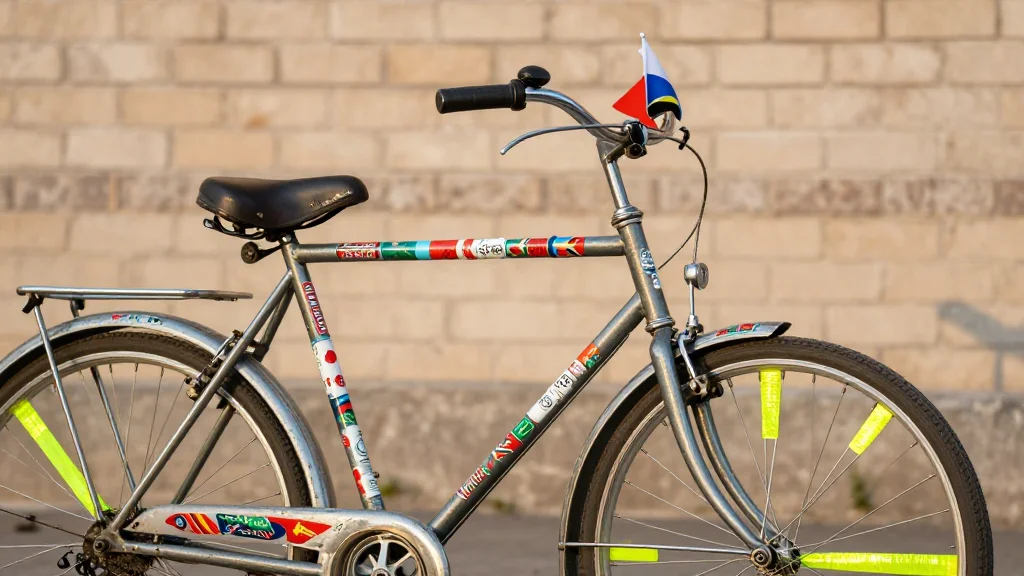
- •Harrington's photos capture customized delivery bikes across NYC streets
- •MoMA PS1 displayed a rented bike, paying $21.44 hourly wage
- •Installation plays a notification every 21m44s, echoing workers' wage rate
- •Collaboration with Los Deliveristas Unidos spotlights gig workers' safety needs
- •NYT criticism highlights tension between art advocacy and public safety narratives
Pulse Analysis
The rapid rise of on‑demand delivery platforms has left millions of riders without traditional employment safeguards—no health benefits, no sick leave, and no guaranteed wages. Algorithms dictate routes and earnings, turning city streets into virtual offices where workers are perpetually on call. This structural precarity has sparked a growing activist movement demanding minimum wage standards, safety hubs, and paid time off, yet municipal policies often lag behind the pace of technological adoption.
Against this backdrop, artist Fields Harrington leveraged his cycling background to chronicle the visual language of delivery bikes, revealing a grassroots identity system built on flags, stickers, and reflective tape. By exhibiting a single rented bike at MoMA PS1 and compensating its owner at the $21.44 hourly rate secured by recent labor negotiations, Harrington transformed a static object into a living wage demonstration. The periodic audible cue—every 21 minutes 44 seconds—mirrored the wage figure, turning abstract compensation data into an experiential reminder for museum visitors.
The project underscores how cultural institutions can amplify labor struggles, converting artistic critique into concrete economic action. While the New York Times dismissed the gesture as overly sympathetic, the controversy spotlights the persistent narrative clash between gig‑economy convenience and public safety concerns. As cities grapple with regulating e‑bike traffic and ensuring worker rights, Harrington’s work offers a template for collaborative advocacy, where art, activism, and policy intersect to demand tangible reforms for the gig workforce.
How an Artist and Museum Conspired to Give a Delivery Worker What the Apps Won’t: PTO
Comments
Want to join the conversation?
Loading comments...