How an Obscure Federal Agency Threatens to Upend Union Disputes
Why It Matters
By restricting arbitrator access, the FMCS threatens the ability of federal workers to enforce collective‑bargaining agreements, potentially reshaping labor‑relations precedent across the public sector. The reversal shows that legal and professional pressure can curb agency overreach, preserving a key dispute‑resolution avenue.
Key Takeaways
- •FMCS halted arbitrator appointments without agency consent.
- •Guidance targets unions affected by 2025 national‑security executive orders.
- •Attorneys claim FMCS action is a post‑hoc power grab.
- •Pressure from arbitrators and advocates prompted FMCS to resume panels.
- •Delays threaten federal workers’ ability to resolve grievances.
Pulse Analysis
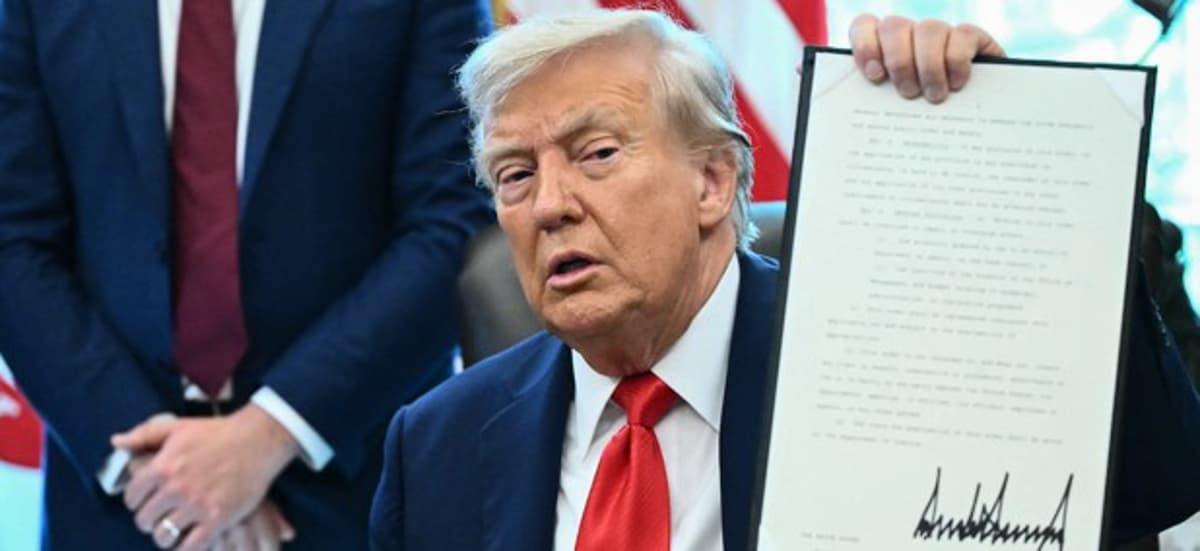
The Federal Mediation and Conciliation Service, a modest agency tasked with facilitating neutral dispute resolution, found itself at the center of a political showdown this spring. After the Trump administration rolled out two 2025 executive orders that stripped collective‑bargaining rights from roughly two‑thirds of the federal workforce on national‑security grounds, the government leaned on the FMCS to argue that unions could not pursue arbitration without agency consent. The agency’s April guidance effectively paused arbitrator appointments for affected unions, citing a lack of implied consent and positioning FMCS as a gatekeeper rather than a ministerial conduit.
Labor attorneys quickly labeled the guidance a retroactive justification for a power grab, pointing to longstanding FLRA precedent that obligates agencies to honor pre‑existing grievance procedures. The move jeopardizes the contractual right of federal employees to have disputes resolved by independent arbitrators, a cornerstone of public‑sector labor relations. Moreover, the delay threatens the livelihood of private arbitrators who are paid per case, and it raises questions about the jurisdictional boundaries between FMCS, the FLRA, and the courts. Legal scholars warn that such agency overreach could set a precedent for further erosion of procedural safeguards in the federal labor arena.
Intense pushback from the National Academy of Arbitrators, union leaders, and independent counsel forced FMCS to retreat. An email from FMCS General Counsel Anna Davis on April 24 signaled a return to the traditional, ministerial role of processing panel requests without undue interference. The episode underscores how coordinated advocacy can check administrative actions that threaten established labor rights, while also highlighting the fragile balance between national‑security imperatives and the procedural protections that underpin collective bargaining in the public sector.
How an obscure federal agency threatens to upend union disputes
Comments
Want to join the conversation?
Loading comments...