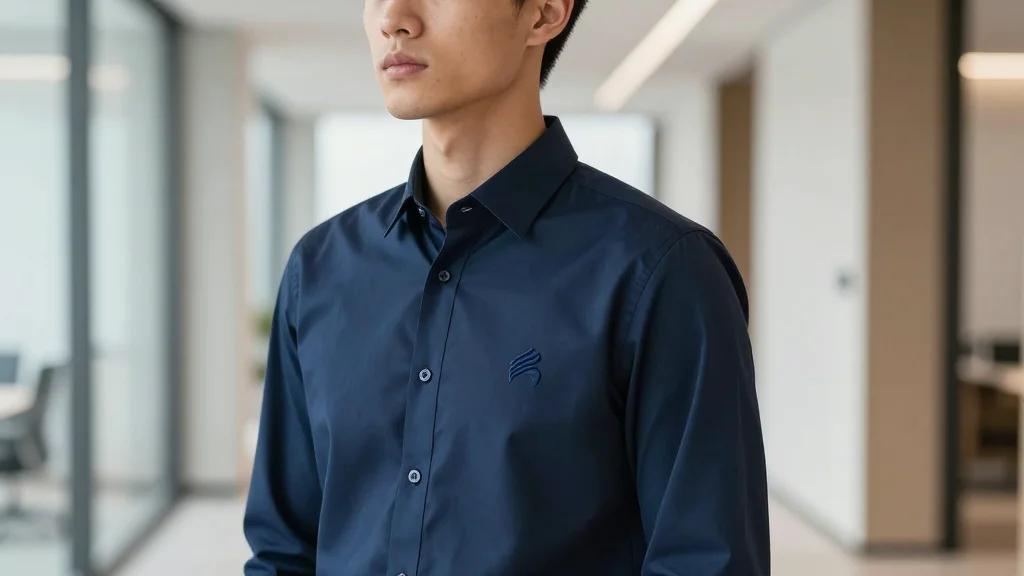
How Branded Workwear Is Influencing Candidate Perception and Employer Branding in 2026
Why It Matters
Physical cues like workwear now shape candidate decisions as much as salary or digital messaging, making uniform strategy a competitive differentiator for talent acquisition and brand reputation.
Key Takeaways
- •Branded workwear signals professionalism and cohesive team identity
- •Consistent uniforms reduce candidate doubt during onsite interviews
- •On‑demand production cuts waste and aligns supply with hiring flux
- •Poor quality or inconsistent branding erodes employer brand credibility
- •Flexible workwear policies meet employee comfort while maintaining brand
Pulse Analysis
In 2026, the hiring landscape has matured beyond salary tables and glossy career pages. Candidates increasingly scrutinize the physical environment, using visual cues such as employee attire to gauge an organization’s internal consistency and cultural fit. Branded workwear, once a functional afterthought, now operates as a silent ambassador of brand values, reinforcing messages delivered online and providing a tangible proof point of professionalism. Companies that align their uniform strategy with their digital narrative create a seamless candidate experience that can tip the scales in tight talent markets.
Operationally, the shift from bulk procurement to on‑demand production reflects broader supply‑chain agility trends. Traditional bulk orders lock capital in excess inventory, risk size mismatches, and generate waste when hiring volumes fluctuate. Modern print‑on‑demand and small‑batch models enable firms to scale uniforms in step with real‑time hiring needs, reducing overhead while preserving brand consistency. This flexibility also supports role‑specific designs—customer‑facing teams receive high‑visibility apparel, while back‑office staff enjoy more relaxed, functional options—without sacrificing the overarching brand aesthetic.
The strategic stakes are clear: inconsistent or low‑quality workwear can erode trust, signaling disorganization and diminishing employer brand credibility. Conversely, well‑executed, high‑quality branded apparel fosters a sense of belonging among employees, reinforces shared standards, and projects a polished image to prospects and clients alike. As organizations blend digital and physical branding, investing in thoughtful workwear programs becomes a cost‑effective lever to strengthen talent attraction, employee engagement, and overall market perception.
How Branded Workwear Is Influencing Candidate Perception and Employer Branding in 2026
Comments
Want to join the conversation?
Loading comments...