Companies Mentioned
Why It Matters
Skillfishing erodes hiring quality, inflates recruitment costs, and threatens talent‑pipeline reliability across tech and other sectors.
Key Takeaways
- •AI‑driven résumés bypass keyword filters
- •Skill‑based interview mini‑cases expose true ability
- •In‑person or live assessments curb AI deception
- •Probationary contracts act as post‑hire validation
Pulse Analysis
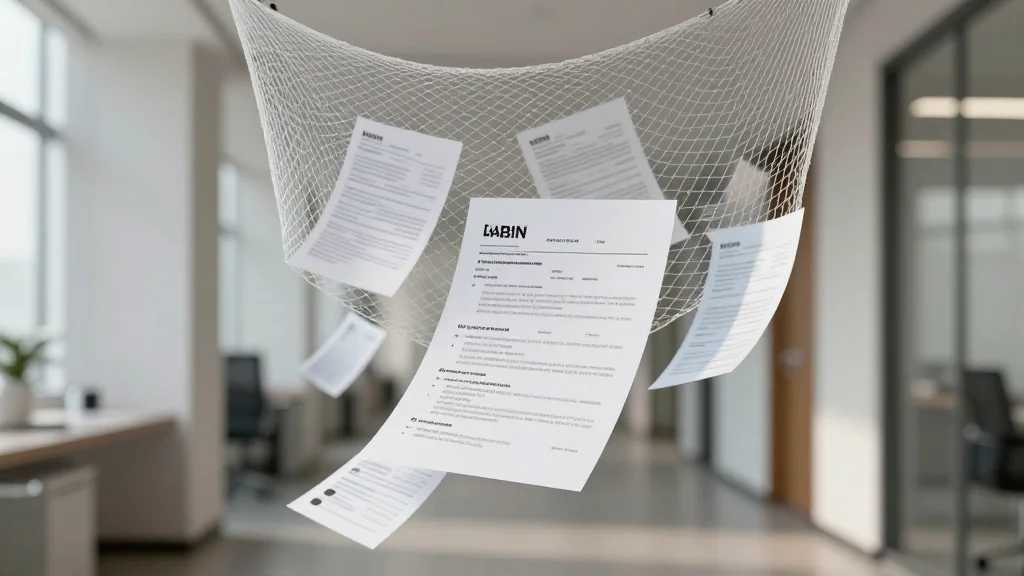
The rise of generative AI has turned résumé writing into a low‑effort hack, allowing candidates to insert buzzwords that match applicant‑tracking system (ATS) filters without possessing the underlying expertise. Recruiters report a flood of applications that appear qualified on paper but crumble under scrutiny, creating a "volume problem" that strains HR resources and slows time‑to‑hire. This shift challenges traditional talent acquisition models, especially in tech markets where demand for skilled workers already outpaces supply.
To counteract skillfishing, companies are overhauling their interview processes. Instead of relying on credential checks, firms now embed situational mini‑cases and real‑time problem‑solving exercises early in the pipeline, forcing candidates to demonstrate competence on the spot. Some organizations are re‑introducing in‑person interviews or live coding sessions, as recruiters claim they can better detect AI‑generated responses. These tactics, while extending the hiring timeline, improve the signal‑to‑noise ratio and help maintain a high‑quality talent pool.
When uncertainty remains, businesses are turning to short‑term or probationary engagements as a safety net. Temporary contracts let employers test performance before committing to full‑time offers, balancing the need for speed with risk mitigation. However, experts caution that such arrangements should include clear expectations, regular feedback, and support for skill gaps to avoid alienating new hires. As AI tools become more sophisticated, the hiring ecosystem will likely evolve toward continuous validation, blending rigorous assessment with agile onboarding practices.
How to avoid ‘skillfishing’ traps
Comments
Want to join the conversation?
Loading comments...