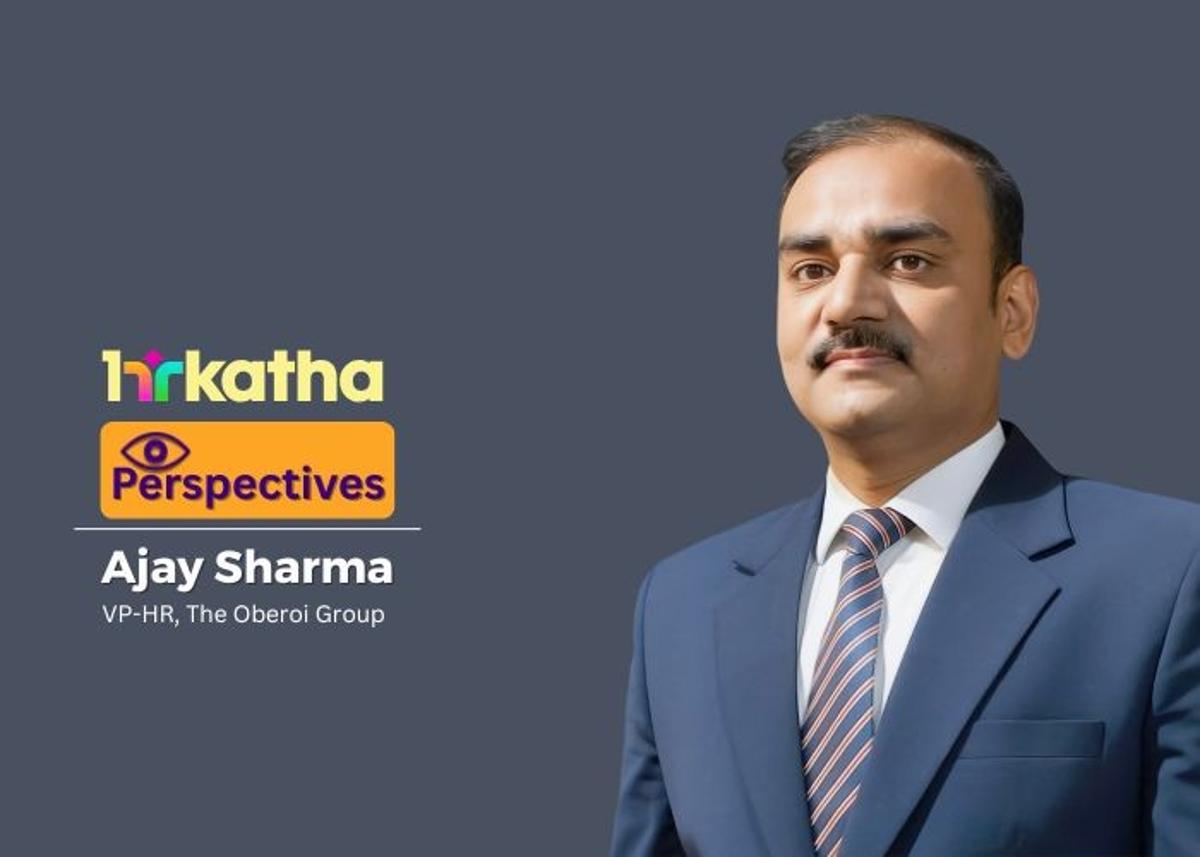
HR Perspectives by Ajay Sharma: “Every Returning Mother Deserves a Role-Redesign Conversation”
•March 11, 2026
0
Why It Matters
The insights reveal structural levers—team size, internal leadership pipelines, and role redesign—that can boost retention, productivity, and profitability in the high‑stress hospitality sector.
Key Takeaways
- •Small teams accelerate ownership and business acumen
- •75% of Oberoi CXOs promoted internally
- •Role redesign for returning mothers reduces career penalties
- •“Comfortable zones” mitigate 24/7 operational stress
- •HR credibility hinges on linking people practices to outcomes
Pulse Analysis
Hospitality’s round‑the‑clock model forces HR to move beyond checklist policies and become a strategic partner. In environments where staff must be on‑site, small‑team assignments give HR professionals immediate feedback loops, fostering rapid ownership and a deep understanding of operational pressures. This hands‑on approach not only sharpens business acumen but also builds a culture of accountability that can be scaled across larger properties when leaders carry those lessons forward.
A robust internal talent pipeline, as demonstrated by The Oberoi Group’s 75% CXO promotion rate, offers continuity and deep cultural alignment. However, over‑reliance on internal hires can limit fresh perspectives, so organizations must balance home‑grown leadership with selective external inputs. Crucially, formalizing role‑redesign discussions for mothers returning from maternity leave addresses hidden structural bias, turning a potential career penalty into a retention advantage. Flexible work options, even in operational roles, signal leadership commitment and can improve gender equity metrics.
Employee well‑being in 24/7 settings hinges on more than counseling services; it requires tangible "comfortable zones"—recreation spaces, gyms, and interest groups—that provide genuine "me‑time" and foster community. When HR ties these wellness initiatives to measurable business outcomes, such as reduced turnover and higher guest satisfaction scores, its strategic value becomes undeniable. Moreover, treating public grievances as diagnostic signals rather than PR issues enables proactive process redesign, reinforcing a culture of continuous improvement and solidifying HR’s credibility with the C‑suite.
HR Perspectives by Ajay Sharma: “Every returning mother deserves a role-redesign conversation”
0
Comments
Want to join the conversation?
Loading comments...