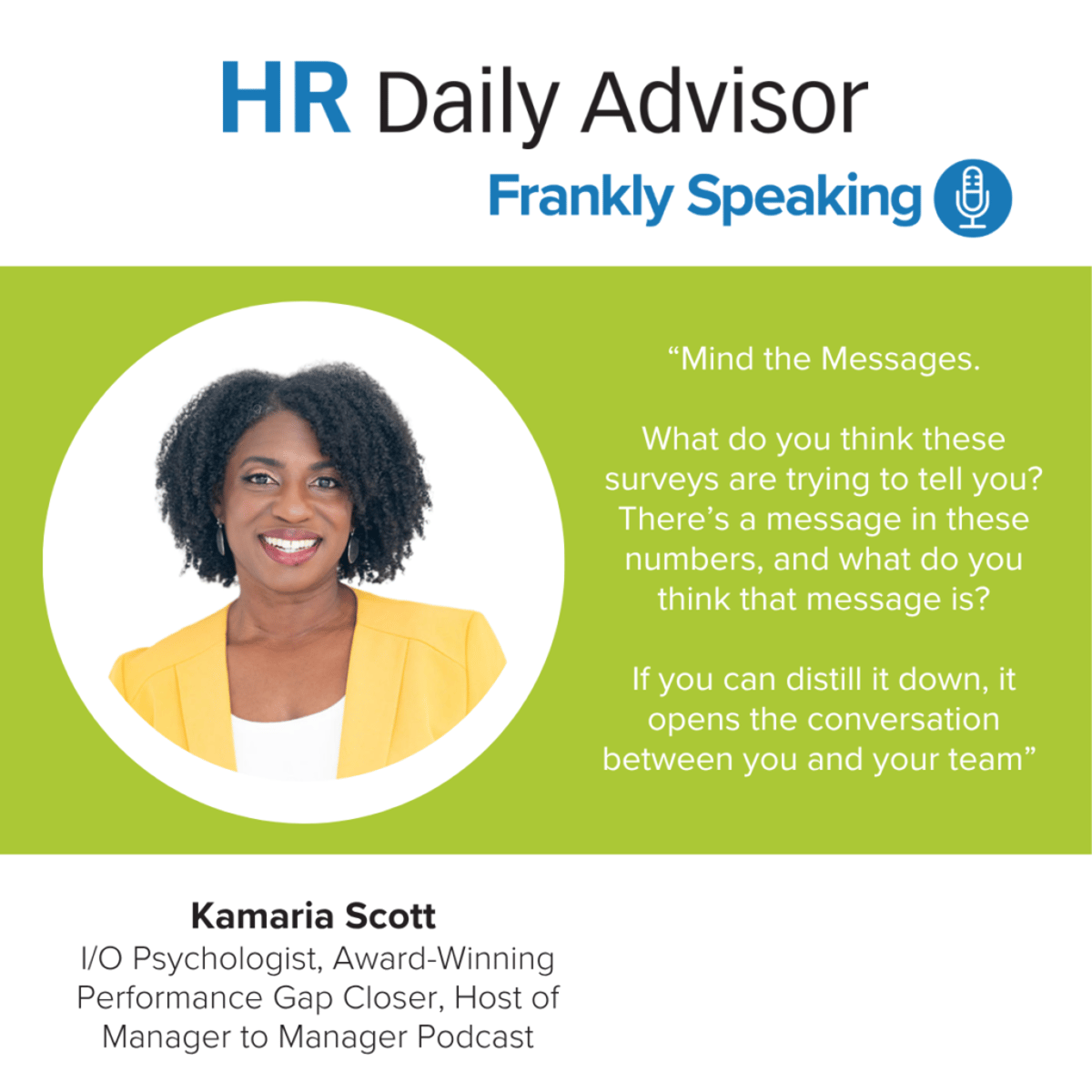
HRDA Frankly Speaking: Reading the Data
Why It Matters
Turning survey data into clear, outcome‑focused actions empowers managers to address root causes of disengagement, directly boosting retention and productivity. This approach shifts HR from reporting to strategic enablement, a competitive advantage in talent‑driven markets.
Key Takeaways
- •Turn raw survey numbers into narrative themes like trust and clarity
- •Deliver managers concrete actions, e.g., improve goal‑setting tools
- •Connect survey signals to turnover and performance metrics
- •Embed insights into regular team meetings and one‑on‑ones
Pulse Analysis
Employee surveys are a goldmine, but their value evaporates when HR delivers only spreadsheets. Modern organizations need to reframe those numbers as stories that expose hidden cultural currents—trust deficits, unclear expectations, or resource constraints. By surfacing these themes, HR moves from a diagnostic role to a strategic partner, guiding managers toward the specific levers that drive engagement. This narrative‑first mindset aligns with the broader shift toward data‑driven people analytics, where insight quality trumps volume.
The next step is converting insight into action. Managers require concrete recommendations—such as upgraded goal‑setting frameworks or targeted coaching—rather than abstract percentages. Linking survey findings to tangible business outcomes, like department turnover rates or sales performance, creates a prioritization matrix that highlights which managerial capabilities will yield the highest ROI. When HR ties sentiment data directly to revenue‑impacting metrics, it justifies investment in development programs and builds credibility across the C‑suite.
Finally, integration is the linchpin of lasting change. Embedding survey insights into existing managerial cadences—team huddles, one‑on‑ones, and performance reviews—ensures the data becomes a living part of decision‑making rather than a quarterly filing. This continuous loop fosters a culture of rapid iteration, where managers can test interventions, measure impact, and refine approaches in real time. As organizations increasingly adopt agile HR practices, the ability to operationalize survey data will differentiate high‑performing firms from those stuck in reporting paralysis.
HRDA Frankly Speaking: Reading the Data
Comments
Want to join the conversation?
Loading comments...