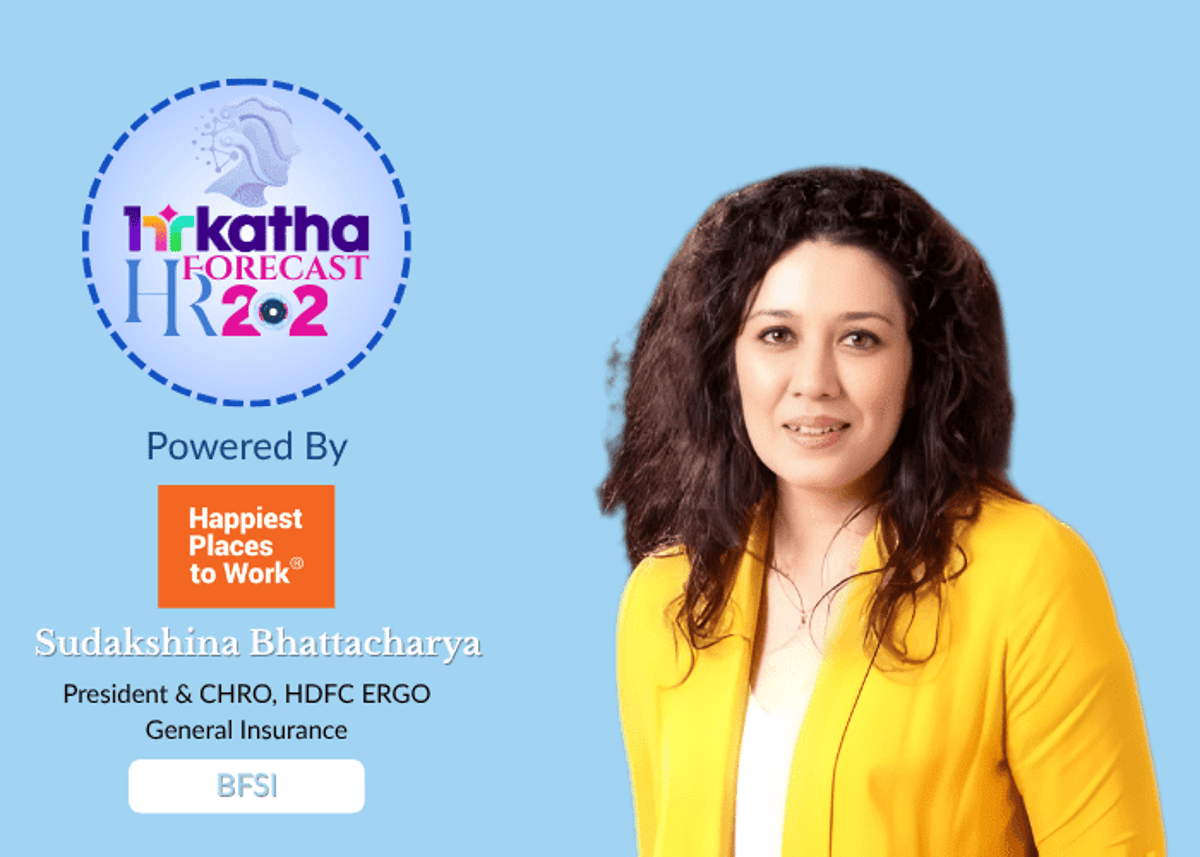
HRForecast 2026: Capability Will Define Employability, Credentials Will Provide Context – Sudakshina Bhattacharya, President & CHRO, HDFC ERGO General Insurance
Why It Matters
Capability‑focused hiring, cohort‑sensitive experiences, and embedded wellbeing create measurable gains in talent retention, productivity, and competitive advantage in a rapidly evolving labor market.
Key Takeaways
- •Structured capability frameworks enable consistent, scalable skill assessment
- •Cohort‑based workforce design aligns growth opportunities with role realities
- •Embedding energy, focus, and recovery into work boosts sustainable output
- •Behavioral leadership capability drives authentic psychological safety
Pulse Analysis
The shift toward capability‑centric hiring reflects a broader industry move to replace degree‑based proxies with evidence of real‑world performance. AI‑enabled assessment tools now simulate job scenarios, allowing recruiters to benchmark thousands of candidates against standardized frameworks. Partnerships between universities and employers further tighten curricula to match emerging role requirements, narrowing the traditional education‑employment gap and delivering a talent pipeline that can hit the ground running.
At the same time, the rise of multi‑generational workforces is prompting HR leaders to abandon one‑size‑fits‑all policies in favor of cohort‑based designs. By segmenting employees into early‑career talent, frontline teams, and seasoned specialists, organizations can tailor development pathways, compensation structures, and engagement initiatives to the specific pressures each group faces. This nuanced approach not only preserves cultural cohesion but also drives higher retention, as workers see clear, role‑relevant growth trajectories regardless of age or tenure.
Sustainable performance is becoming a design principle rather than an add‑on program. Companies are re‑engineering workflows to balance intensity with recovery, using continuous sentiment sensing and AI‑driven workload analytics to pre‑empt burnout. Coupled with leadership training that builds behavioral capability for psychological safety, these systemic changes turn wellbeing from a peripheral perk into a core productivity engine. Firms that embed these precision‑focused HR systems are poised to achieve superior financial results and stronger employer branding in the competitive 2026 talent market.
HRForecast 2026: Capability will define employability, credentials will provide context – Sudakshina Bhattacharya, President & CHRO, HDFC ERGO General Insurance
Comments
Want to join the conversation?
Loading comments...