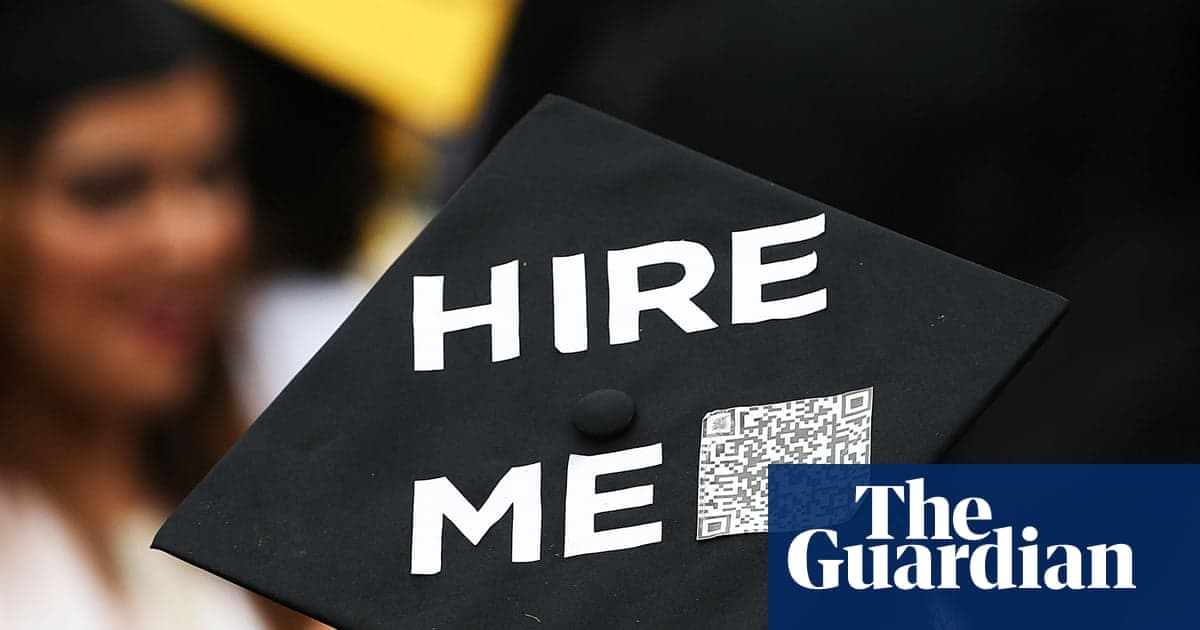
‘I Feel Helpless’: College Graduates Can’t Find Entry-Level Roles in Shrinking Market Amid Rise of AI
Why It Matters
The squeeze on new‑graduate hiring threatens the talent pipeline that fuels economic growth and signals a broader shift toward automation‑heavy recruitment practices across industries.
Key Takeaways
- •Under‑employment rate for new grads hits 42.5%, highest since 2020.
- •AI‑driven screening forces graduates to keyword‑optimize resumes.
- •Employers list entry‑level roles requiring 3‑5 years experience.
- •Networking‑centric hiring limits access for candidates without connections.
- •Graduates report longer application cycles and higher rejection rates.
Pulse Analysis
The surge in AI‑powered applicant tracking systems is reshaping how firms filter candidates, turning résumé parsing into a high‑stakes game of keyword matching. While these tools promise efficiency, they also amplify the signal‑to‑noise problem for recent graduates, who must now master algorithmic language to reach human reviewers. This technical hurdle compounds an already tight labor market, where the under‑employment rate for new entrants has risen to 42.5%, indicating that many are forced into part‑time or unrelated work.
Beyond algorithms, the definition of "entry‑level" is eroding. Companies routinely list positions that require three to five years of experience, a prerequisite unattainable for most fresh graduates. This inflation of requirements reflects a risk‑averse hiring culture that favors proven productivity over potential, especially as firms grapple with rapid AI integration and cost pressures. The result is a growing pool of qualified but under‑utilized talent, which can dampen innovation and slow wage growth across sectors.
Structural barriers further entrench the disadvantage. Hiring often circulates within internal networks or relies on referrals, leaving candidates without industry connections at a systemic loss. Graduates report longer application timelines, higher ghosting rates, and a reliance on multiple job boards without consistent results. Policymakers and educational institutions may need to intervene—through transparent hiring standards, AI audit frameworks, and expanded apprenticeship pathways—to realign the market and ensure the next generation can transition smoothly from campus to career.
‘I feel helpless’: college graduates can’t find entry-level roles in shrinking market amid rise of AI
Comments
Want to join the conversation?
Loading comments...