The model could reshape employer benefit strategies, delivering lower claims costs while boosting employee health engagement through technology‑enabled primary care.
Employers are under mounting pressure to redesign health benefits that balance cost containment with employee satisfaction. Traditional PPOs offer choice but at high premiums, while HMOs limit networks to keep expenses low. The emerging alternative‑plan segment—already on the radar of 41% of employers—promises a middle ground by integrating technology, curated provider networks, and transparent pricing. This shift reflects a broader industry trend toward value‑based care, where employers act as health‑outcome stewards rather than merely cost‑shifters.
Included Health’s new offering operationalizes this vision through a guided‑care experience. AI‑powered digital assistants handle symptom triage, appointment scheduling, and benefit eligibility in real time, freeing clinicians from routine administrative tasks. Employees receive extended 30‑45‑minute consultations that culminate in personalized care plans, while a copay‑first structure eliminates deductibles and surprise bills. The result is a clearer cost signal for users and earlier intervention that can prevent costly emergency visits, directly addressing the employer’s fiscal responsibility.
If adoption accelerates, the market could see a cascade of AI‑driven primary‑care platforms competing on engagement, outcomes, and cost transparency. Benefits leaders will need to evaluate integration challenges, data privacy, and provider alignment, but the potential upside—reduced claims, healthier workforces, and higher employee retention—makes the proposition compelling. As technology matures, we can expect AI to move from a supportive role to a strategic driver of employer health‑benefit innovation.
Employers need to re‑strategize their approach to benefit plan design in order to give employees access to high‑quality care faster, while lowering their costs.

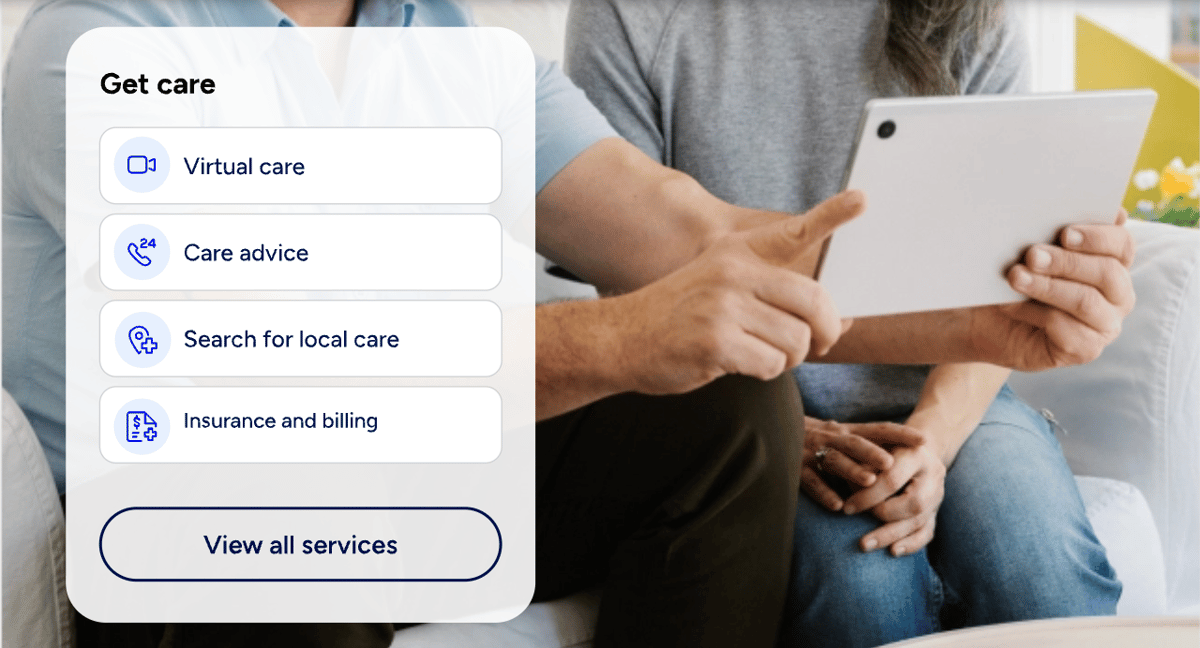
Courtesy of Included Health
Key Insight: Learn how alternative plan design combines guided care, AI, and narrower networks strategically.
Supporting Data: Nearly 41 % of employers consider adopting alternative benefit plan designs.
Forward Look: Expect AI‑driven primary‑care navigation to reshape employer cost‑management strategies.
Source: Bullets generated by AI with editorial review
Nearly 41 % of employers are considering or planning to adopt alternative plan‑design features, according to business‑management consultant WTW. However, many existing options still fall short of improving the member experience while controlling costs and delivering better health outcomes. Included Health is aiming to address those gaps with a new health plan designed to make care easier to navigate and more affordable for employees.
“There's only ever been two options when it comes to healthcare plan designs: PPOs or HMOs,” says Ami Parekh, Included Health's chief health officer. “PPOs have the most options but it costs a lot of money and is really complicated to understand. Or you have an affordable but very narrow network in a tightly managed HMO. What our alternative plan design is trying to do is get the best of both worlds.”
Unlike traditional healthcare plans — which leave people to figure out providers, referrals and costs themselves — Included Health's new design acts more like a guided healthcare experience. The plan supplements the usual network of providers with AI tools and in‑person care teams that guide members through the entire care process. Patients gain access to physicians who will spend 30 to 45 minutes with them going over routine checklists to discuss health goals, current challenges and overall well‑being strategies. Employees walk away with a customized care plan that makes the most of their benefits.
By using a copay‑first model, employees receive clear, predictable costs for care, eliminating deductibles, coinsurance, and surprise bills that often cause people to delay treatment. The intention is also to save employers money, Parekh says. When employees seek and receive care earlier from dedicated doctors, employers can avoid higher claims driven by unnecessary emergency‑room or urgent‑care visits.
“If primary care was a pill it would be more popular than a GLP‑1,” Parekh says. “It saves money, it makes you healthier, but we just haven't figured out a way to make it accessible. This is where technology and AI can make a huge difference.”
Currently, the average wait time for a primary‑care appointment is more than three weeks, according to a May 2025 AMN Healthcare survey — and that's if employees are able to navigate their plan successfully. Under Included's new plan design, AI improves access by acting as a 24/7 digital guide that can answer questions about symptoms, care options under their insurance and whether they should book a primary‑care visit. It also assists in finding available clinicians, scheduling the right type of appointment (virtually or in person), and provides follow‑ups and ongoing digital support tied to care plans.
The use of AI is not just for employees' benefit. It is also designed to support clinicians by handling much of the administrative work involved in onboarding new patients, allowing them to spend more time on care. For benefit leaders, offering a more seamless, easier‑to‑use healthcare experience can help remove barriers to benefit utilization and improve employee engagement.
“Being a leader of benefits is a really hard job because you've got fiscal responsibility in your company and you want your employees to be healthy and productive and leading great lives,” Parekh says. “Those things are hard to manage, but this could be a nice way to start.”
The goal is not to force employees into the new plan design, but to give them the widest breadth of options and to normalize the use of technology to improve access to primary care and a more hands‑on care journey.
“If you think of how tech is being deployed today in healthcare, it's to help providers make money — and it's a waste,” Parekh says. “What I would love to see is AI being deployed in a way that actually makes healthcare better for the patients at the end of the day.”
Associate Editor, Employee Benefit News
Comments
Want to join the conversation?
Loading comments...