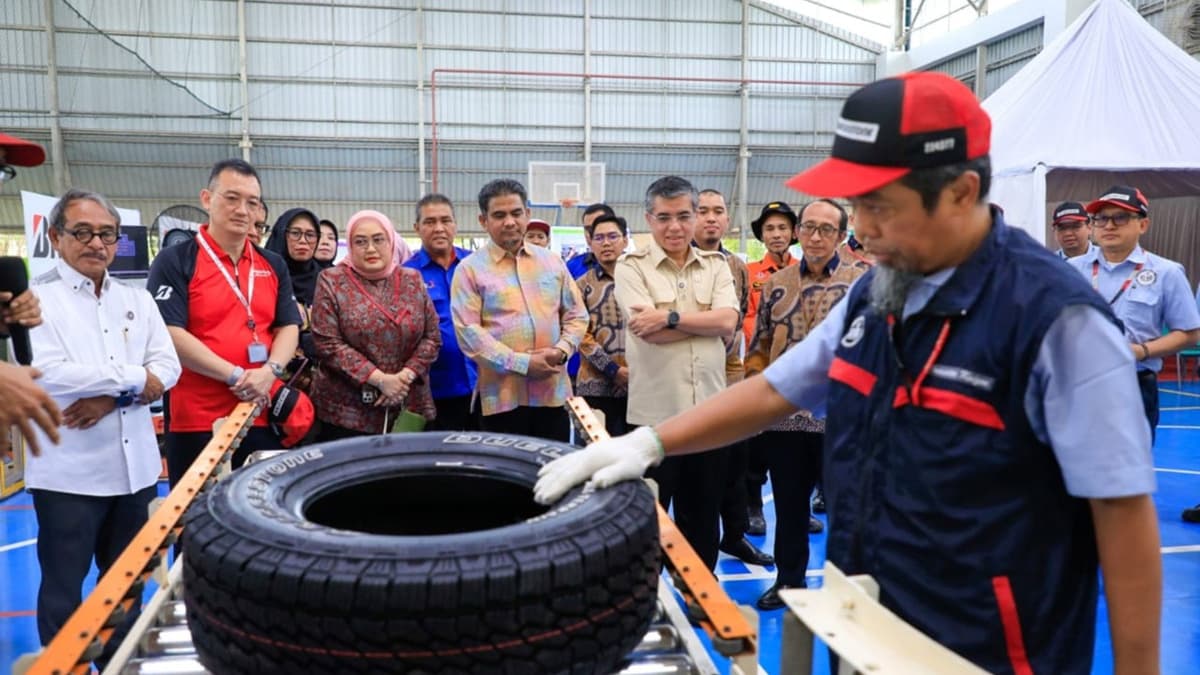
Indonesia's Manpower Minister Yassierli Urges Firms to Treat Trade Unions as Partners, Not Enemies
Why It Matters
Treating unions as partners can reduce labor disputes, boost productivity, and enhance Indonesia’s appeal to global manufacturers. This shift signals a broader policy move toward stable, innovation‑driven industrial relations.
Key Takeaways
- •Bridgestone Indonesia signs 16th collective labour agreement with workers union
- •Minister urges unions as strategic partners for productivity and innovation
- •Collaborative industrial relations aim to boost competitiveness in Indonesian manufacturing
- •Policy shift promotes inclusive, sustainable work environments across sectors
- •Enhanced dialogue expected to reduce labor disputes and improve output
Pulse Analysis
Indonesia has been steadily reforming its labour landscape to attract foreign investment and modernise its manufacturing base. Recent government initiatives, such as the Omnibus Law and the establishment of a national industrial relations framework, aim to streamline dispute resolution and align labour standards with global best practices. By positioning unions as allies, the Ministry of Manpower seeks to embed these reforms within everyday workplace dynamics, ensuring that regulatory changes translate into tangible improvements on the shop floor.
The minister’s call for unions to act as strategic partners reflects a growing recognition that employee representation can drive innovation. When workers engage in constructive dialogue about safety, skill development, and process optimization, firms can tap into frontline insights that boost efficiency and product quality. This collaborative model also mitigates the risk of strikes, which historically have disrupted supply chains in Southeast Asia. For companies like Bridgestone, aligning union objectives with corporate goals creates a shared vision for higher productivity and market competitiveness.
For investors and multinational corporations, the shift signals a more predictable operating environment in Indonesia’s key sectors, from automotive to electronics. A stable labour climate reduces hidden costs associated with work stoppages and enhances the country’s ranking in the World Bank’s Ease of Doing Business index. As the nation positions itself as a regional manufacturing hub, the partnership approach may become a benchmark for other emerging markets seeking to balance worker rights with economic growth.
Indonesia's Manpower Minister Yassierli urges firms to treat trade unions as partners, not enemies
Comments
Want to join the conversation?
Loading comments...