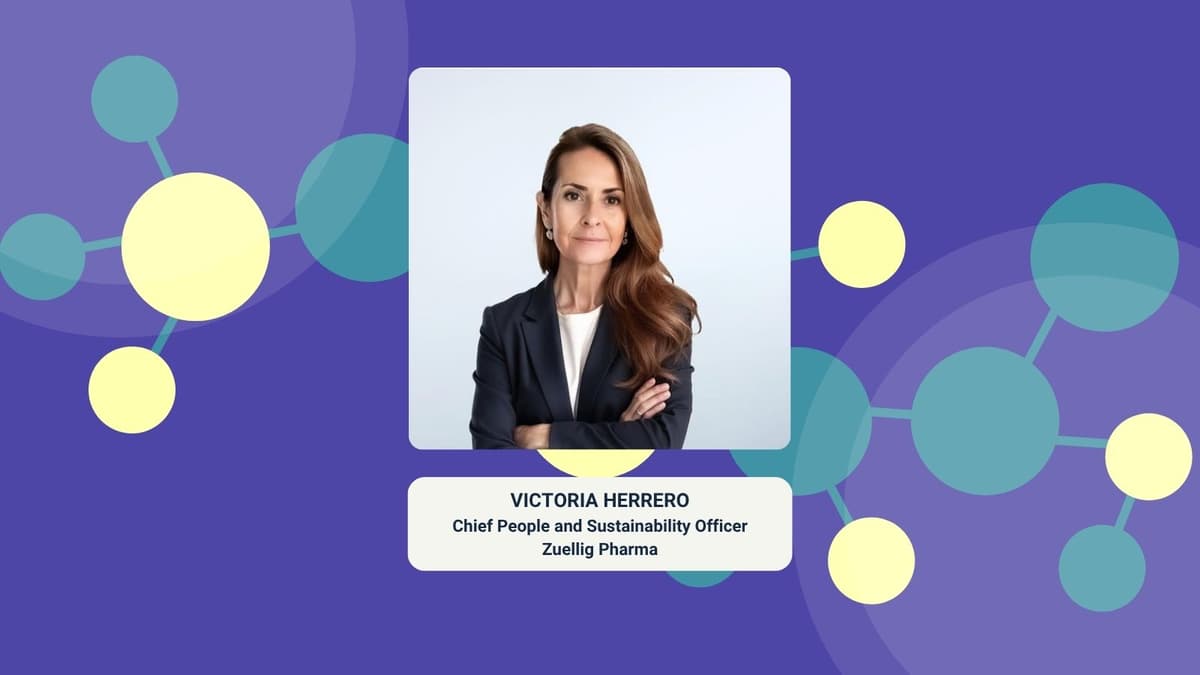
Industry Insider: Zuellig Pharma’s Victoria Herrero on the Race to Close Healthcare’s Skills Gap
Companies Mentioned

Coty
McKesson
MCK
Why It Matters
Reskilling and integrated people‑sustainability strategies are essential for maintaining operational excellence amid rapid digital and regulatory change in Asia’s complex healthcare ecosystem. This shift positions HR as a driver of competitive advantage and long‑term value creation.
Key Takeaways
- •Reskilling, not hiring, is top priority for Zuellig Pharma
- •People and sustainability strategies are aligned to build resilient Asian healthcare operations
- •Leadership hinges on respect, transparency, purpose across cultures
- •HR must link talent development to risk and financial performance
- •Digital transformation demands new capabilities in analytics, cold‑chain, cell therapies
Pulse Analysis
The rapid digitisation of Asia’s healthcare supply chain is reshaping talent needs faster than traditional hiring pipelines can keep up. Advanced analytics, cold‑chain biologics, and decentralized clinical trials require a workforce that can navigate complex data ecosystems while maintaining day‑to‑day operational rigor. Companies like Zuellig Pharma are therefore investing heavily in upskilling programs, leveraging internal learning platforms and cross‑market mobility to bridge the skills gap before it erodes service quality or regulatory compliance.
Beyond technical capabilities, Herrero’s interview underscores the strategic convergence of people and sustainability initiatives. By embedding environmental and social governance (ESG) principles into everyday workflows, Zuellig aims to mitigate operational risks—such as supply‑chain disruptions caused by climate events—and to meet rising expectations for ethical labour practices in emerging markets. This integrated approach not only strengthens brand reputation but also creates a more engaged workforce, as employees see a clear purpose linking their daily tasks to broader societal impact.
For HR leaders, the message is clear: the function must evolve from a transactional support role to a strategic partner that speaks the language of the board. Demonstrating how talent pipelines, culture, and capability development directly influence risk exposure, market share, and profitability will elevate HR’s influence in corporate decision‑making. As the industry continues to grapple with regulatory complexity and scientific innovation, those who can translate people‑centric strategies into measurable business outcomes will shape the future of work in healthcare.
Industry Insider: Zuellig Pharma’s Victoria Herrero on the race to close healthcare’s skills gap
Comments
Want to join the conversation?
Loading comments...