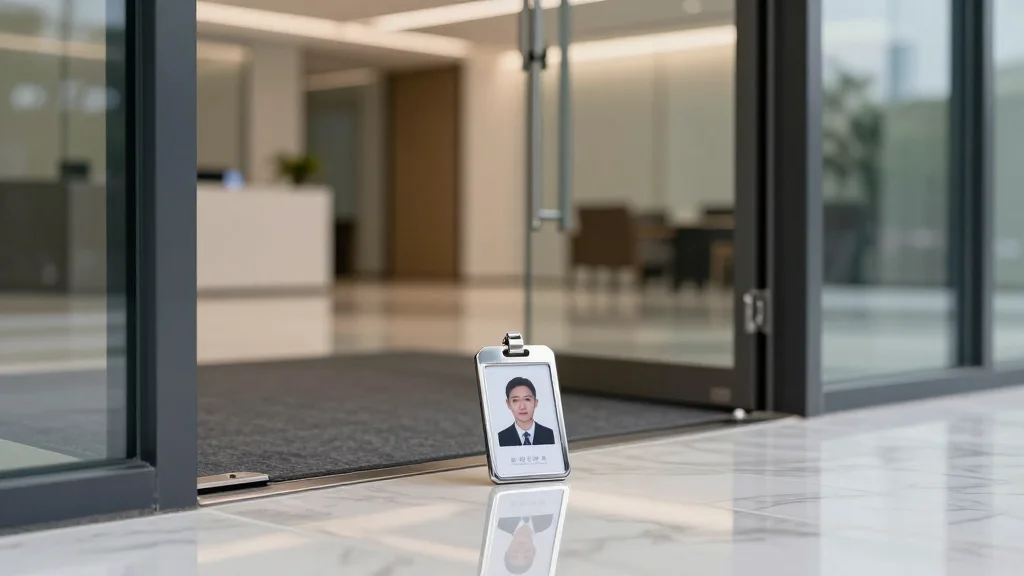
In‑Person Presence Boosts Bonuses and Promotions, Robert Half Survey Finds

Why It Matters
Linking pay and promotion to physical presence reshapes the core contract between employers and employees, potentially eroding the flexibility that has become a hallmark of post‑pandemic work. If compensation becomes contingent on office attendance, companies risk alienating high‑performing remote talent and exacerbating existing DEI gaps, especially for workers with caregiving responsibilities or those in regions where commuting is a barrier. The trend also pressures HR teams to develop more nuanced measurement tools that can capture contribution regardless of location. Failure to do so could lead to legal challenges around pay equity and discrimination, while successful implementation may give firms a competitive edge in attracting talent that values both visibility and fairness.
Key Takeaways
- •68% of employers have adjusted salaries based on office attendance, per Robert Half survey.
- •69% have modified bonus structures to reward in‑person work.
- •96% now require staff to be in the office more frequently than two years ago.
- •77% say proximity to leadership positively influences compensation and promotions.
- •97% of companies introduced incentives—higher bonuses (69%) and extra pay (68%)—to encourage attendance.
Pulse Analysis
The data signals a re‑emergence of the office as a de‑facto performance metric, a reversal of the remote‑first momentum that dominated the early pandemic years. Historically, compensation has been tied to measurable outputs; the current shift substitutes visibility for output, which can be a double‑edged sword. On one hand, managers regain informal channels for mentorship and rapid feedback, potentially accelerating decision‑making. On the other, it reintroduces the “face‑time” bias that many organizations fought to eliminate, risking talent loss among high‑performing remote workers who may seek more flexible employers.
From a market perspective, firms that can calibrate hybrid‑aware reward structures—using data‑driven performance dashboards that decouple output from location—will likely retain a broader talent pool and avoid DEI pitfalls. Companies that double‑down on office‑centric incentives risk creating a two‑tier workforce, where remote employees are perceived as less committed, leading to lower engagement and higher turnover. The competitive advantage will belong to those who embed transparent, outcome‑based metrics while still offering tangible benefits for those who choose to be on‑site.
Looking ahead, we expect regulatory scrutiny to increase as pay equity advocates highlight the correlation between attendance and compensation. HR leaders will need to pre‑emptively audit their compensation frameworks, possibly integrating AI‑driven analytics to ensure fairness across work modes. The firms that navigate this transition thoughtfully will set new standards for hybrid work, balancing the undeniable value of in‑person collaboration with the imperative of equitable, performance‑based reward systems.
In‑Person Presence Boosts Bonuses and Promotions, Robert Half Survey Finds
Comments
Want to join the conversation?
Loading comments...