Internship Bottleneck: How to Break the Work Experience Catch-22
Why It Matters
The shortage of meaningful work experience hampers graduate employability and fuels chronic underemployment, threatening both individual career trajectories and the broader talent pipeline needed for a competitive economy.
Key Takeaways
- •8M U.S. students seek internships; only 3.6M secure one
- •41% of students complete internships; rate falls to 27% for first‑gen
- •80% want more real‑world projects; only 30% of schools provide them
- •Project‑based learning embeds work in curricula, easing talent pipeline
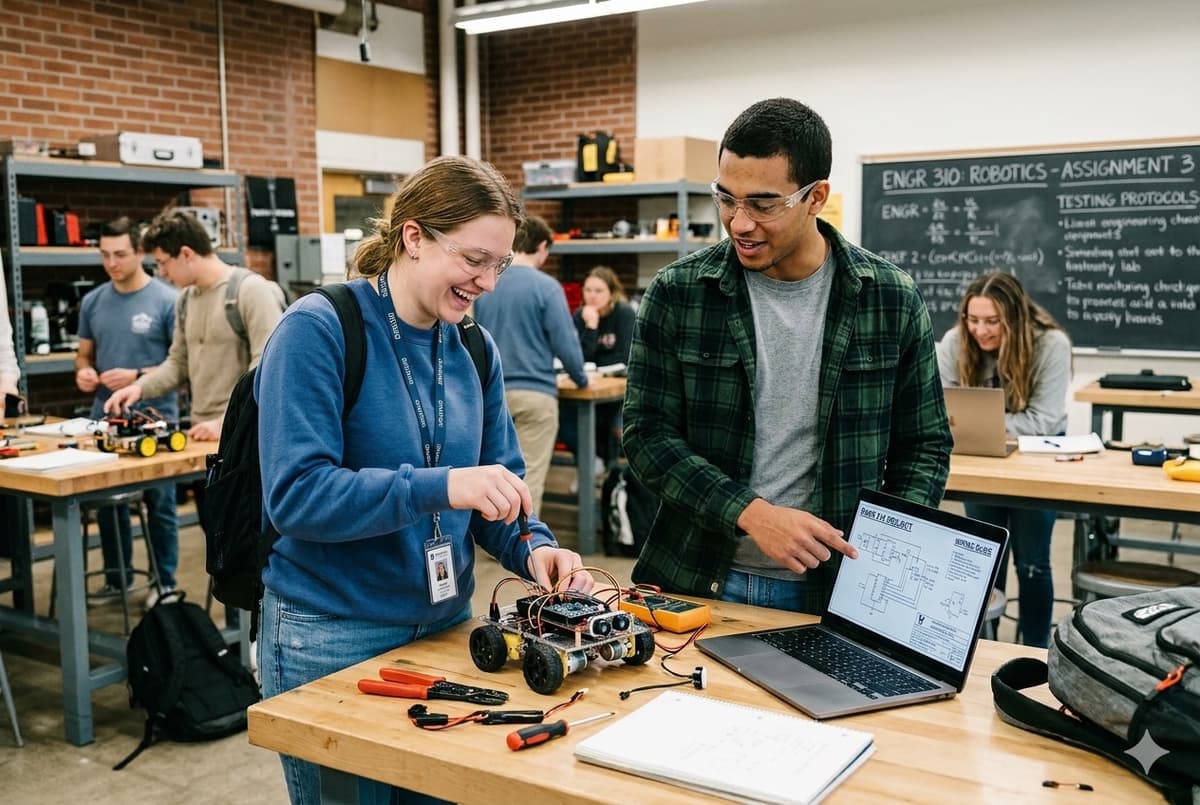
- •Spaces like iZone foster continuous campus‑industry collaboration
Pulse Analysis
The internship bottleneck has become a systemic issue for higher education and the U.S. labor market. With more than eight million college seekers and just 3.6 million placements, the gap translates into a staggering underemployment rate—over half of bachelor’s graduates work in jobs that don’t require a degree within a year. Traditional career‑fair models rely on personal networks and ad‑hoc placements, leaving the majority of students, especially first‑generation scholars, without a clear pathway to acquire the experience employers demand.
Project‑based learning offers a scalable alternative that integrates work experience directly into the curriculum. Data from Gallup and Purdue shows interns are 1.8 times more likely to stay engaged after graduation, yet only 41 % of students complete internships. Meanwhile, 80 % of students express a desire for more real‑world projects, but merely 30 % of institutions embed them. By commissioning employer‑sponsored projects, faculty can deliver credit‑bearing assignments that simulate professional challenges, allowing students to develop skills, build networks, and produce deliverables without leaving campus.
Successful implementation hinges on dedicated collaborative spaces and cross‑functional campus partnerships. National University in California has leveraged faculty‑led capstone projects across cybersecurity, data science, and health care, while the University of Rochester’s iZone provides a maker‑style hub where students, staff, and industry partners co‑create solutions. Such environments break down silos between career services, academic departments, and alumni networks, creating a sustainable talent pipeline that benefits both students and employers amid a national workforce shortage.
Internship bottleneck: How to break the work experience Catch-22
Comments
Want to join the conversation?
Loading comments...