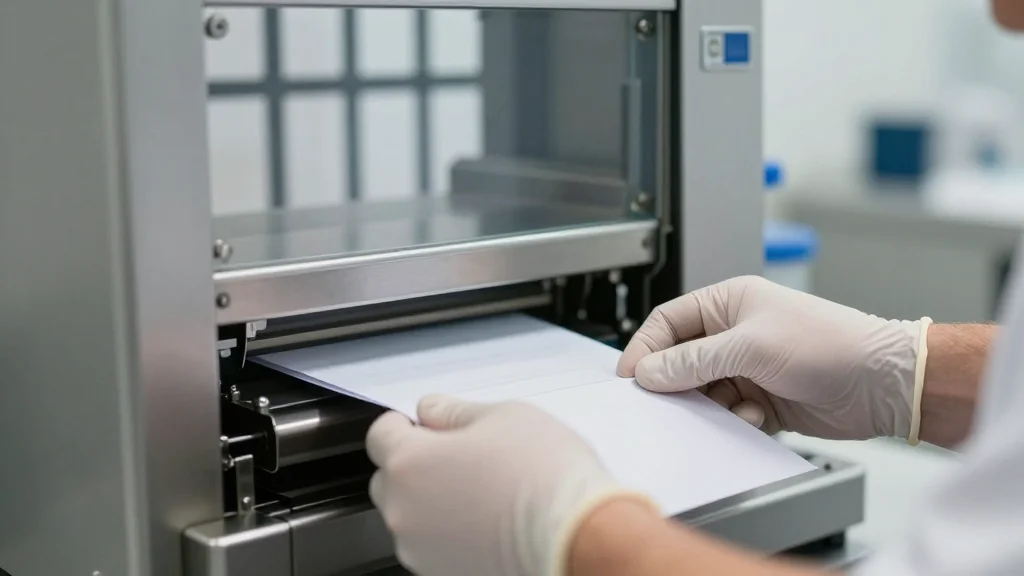
JBM Packaging Celebrates First Graduate of In-Prison Training Program
Why It Matters
The program shows how second‑chance hiring can cut recidivism, address labor shortages, and improve employee retention for manufacturers.
Key Takeaways
- •First graduate hired full‑time after completing JBM’s prison training program
- •Program trains inmates 32 hrs/week for up to a year on envelope machinery
- •Fair‑chance workers make up ~40% of JBM’s 162‑person workforce
- •Participants earn over $5,000 during training, aiding reintegration
Pulse Analysis
Second‑chance hiring has moved from a niche social‑good initiative to a strategic response to America’s persistent labor shortage. Studies cited at the recent Second Chance Forum reveal that nearly three‑quarters of released inmates remain unemployed a year after release, despite millions of open jobs. Employers that overlook this talent pool miss out on workers who often demonstrate strong work ethic and lower turnover, a critical metric as hiring costs rise.
JBM Packaging’s on‑site prison training program exemplifies a data‑driven approach. By installing envelope‑manufacturing equipment inside the London Correctional Institution, the company provides hands‑on experience that translates directly to its production lines. Participants log 32 hours weekly for up to a year, emerging with certified machine‑adjuster skills and a wage that can exceed $5,000 before release. The result is a pipeline of qualified technicians like Billy Campbell, whose year‑long tenure has helped JBM reduce churn and maintain consistent output, reinforcing the business case for fair‑chance employment.
The broader implication for manufacturers is clear: expanding similar programs can simultaneously alleviate staffing gaps and contribute to social reintegration. As more firms recognize that formerly incarcerated workers are 70% less likely to quit, industry groups and policymakers are likely to incentivize such collaborations. Scaling these models—through shared training facilities, standardized curricula, and tax credits—could unlock a sizable, underutilized labor pool while delivering measurable ROI for companies that adopt inclusive hiring practices.
JBM Packaging celebrates first graduate of in-prison training program
Comments
Want to join the conversation?
Loading comments...