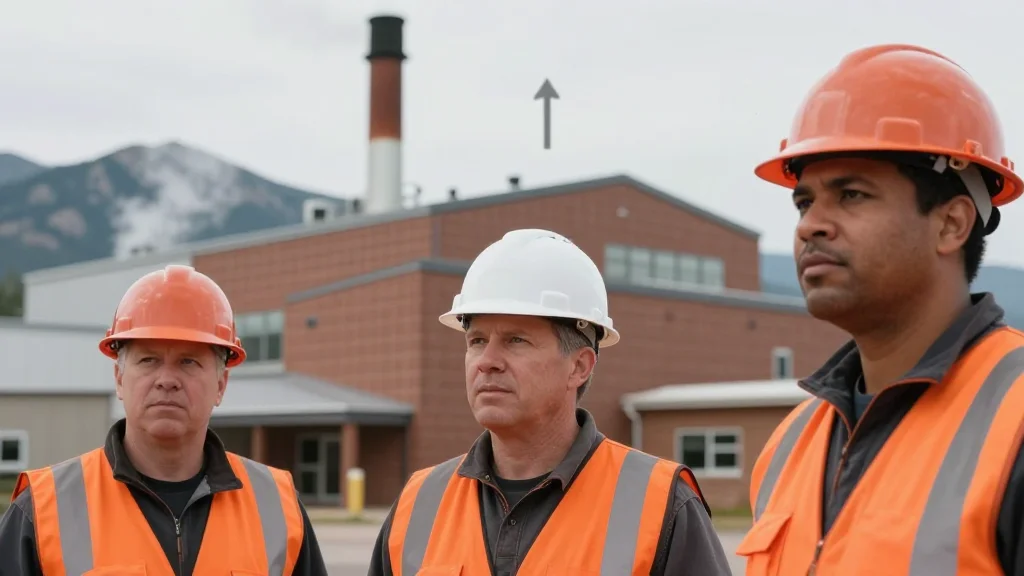
JBS Staff in US Agree to End Strike as Talks Set to Begin Again
Why It Matters
The settlement will influence labor costs and supply stability in U.S. beef processing, a sector already strained by inflation and workforce shortages.
Key Takeaways
- •Strike lasted over three weeks, ending April 7.
- •UFCU demands higher wages, safety equipment, benefit protections.
- •JBS offered 1.5% annual wage increase, deemed insufficient.
- •Company previously paid $200 million to settle wage‑suppression claims.
- •New negotiations start April 9‑10, could reshape industry labor standards.
Pulse Analysis
The Greeley, Colorado JBS plant has been a flashpoint in the U.S. meat‑packing sector, where a three‑week strike halted production and drew national attention. JBS, the world’s largest meat processor, employs thousands at the facility, making any labor disruption a potential choke point for beef supply. The United Food and Commercial Workers Local 7 union, after eight months of stalled talks, called the walkout on March 16, citing unsafe conditions, stagnant wages, and threats to health benefits. The strike’s end signals a tentative de‑escalation, but the underlying tensions remain.
The union’s bargaining agenda centers on three pillars: meaningful wage growth, upgraded safety equipment, and guaranteed health coverage. JBS’s current proposal of a 1.5 percent annual raise falls well short of inflation expectations, prompting UFCW to label it a “liveable wage” failure. Adding to the friction, the company’s recent $200 million settlement of wage‑suppression lawsuits underscores a history of contentious labor practices. Workers also allege that JBS has used intimidation tactics, including threats to terminate employees who resist unionization, further eroding trust.
From an industry perspective, the outcome of the April 9‑10 negotiations could set a benchmark for labor costs across U.S. meat processors, many of which operate on thin margins. A favorable deal for workers may raise operating expenses but could improve productivity by reducing turnover and safety incidents. Investors are watching closely, as prolonged disputes have previously triggered price volatility in beef futures and pressured profit forecasts. Ultimately, a resolution that balances fair compensation with operational efficiency will be critical for maintaining supply chain stability and shareholder confidence.
JBS staff in US agree to end strike as talks set to begin again
Comments
Want to join the conversation?
Loading comments...