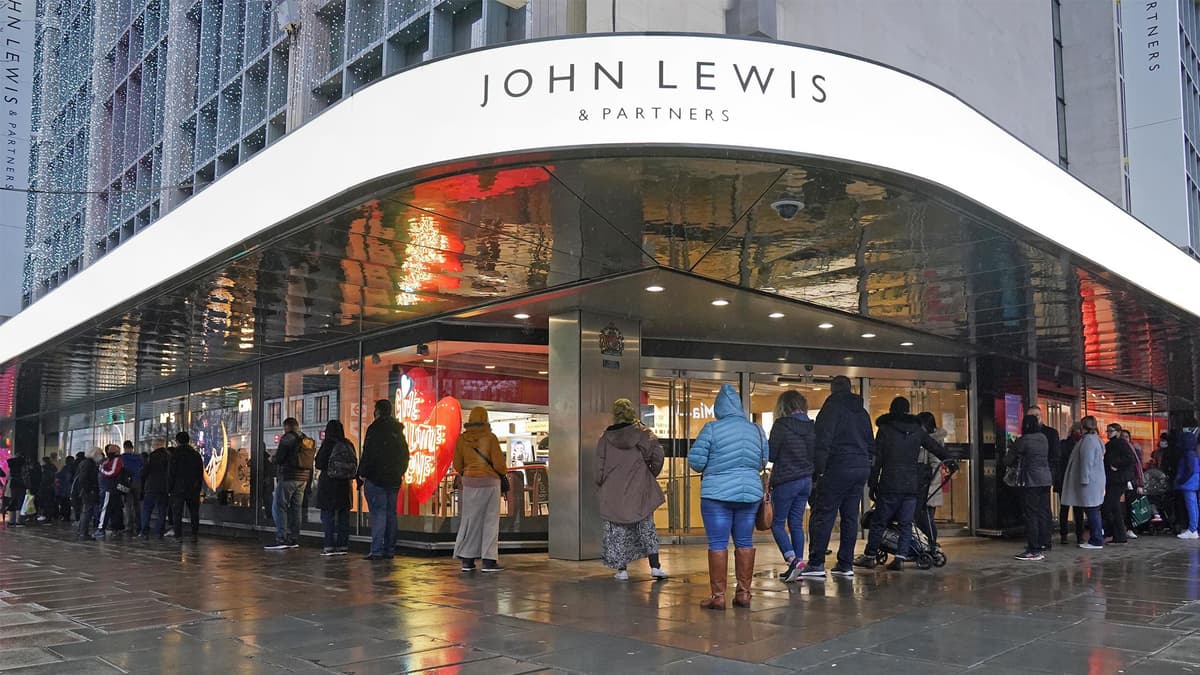
John Lewis Urges Staff to Return to Office to Strengthen Competitiveness
Companies Mentioned
Why It Matters
Increasing in‑person collaboration is intended to accelerate John Lewis’s competitive response in a crowded retail market, while the staffing cuts and executive pay raise signal a focus on efficiency and leadership incentives.
Key Takeaways
- •John Lewis mandates more in‑person days for central teams.
- •Hybrid model aims to boost collaboration, speed decisions, creativity.
- •Office space will be expanded after halving London footprint in 2023.
- •Staff count fell to 65,700 after cutting 3,300 roles.
- •CEO Jason Tarry earned $1.61 million, a 20% pay rise.
Pulse Analysis
The UK retail landscape has been reshaped by the pandemic, with many firms adopting flexible work arrangements to retain talent. John Lewis, a historic department‑store and supermarket operator, is now nudging its central teams back to the office to mirror competitors that have already mandated full‑time returns. This shift reflects a broader industry reassessment of hybrid work, balancing employee preferences with the need for spontaneous collaboration that can drive product innovation and faster decision cycles.
By expanding its London office footprint after a 2023 downsizing, John Lewis signals confidence that physical proximity will enhance cross‑functional teamwork, supplier engagement, and client interactions. The hybrid model it promotes—more face‑to‑face time without abandoning remote flexibility—aims to improve cultural cohesion and operational efficiency. Real‑estate analysts note that such a reversal could stimulate demand for premium office space in central London, as retailers seek environments that support creative brainstorming while still offering remote options for routine tasks.
The policy change coincides with a broader cost‑control agenda: a 2% staff bonus, a 20% pay rise for CEO Jason Tarry (approximately $1.61 million), and a workforce reduction of 3,300 employees, lowering headcount to roughly 65,700. These moves underscore a focus on aligning leadership incentives with performance while trimming excess capacity. For investors and industry observers, John Lewis’s hybrid push and staffing adjustments highlight the delicate balance between maintaining a modern, flexible workplace and driving the speed and agility needed to stay competitive in an increasingly digital retail environment.
John Lewis urges staff to return to office to strengthen competitiveness
Comments
Want to join the conversation?
Loading comments...